Document-Oriented
Programming Systems
Tomas Petricek, Charles University, Prague

Also talk to me about...
History of programming
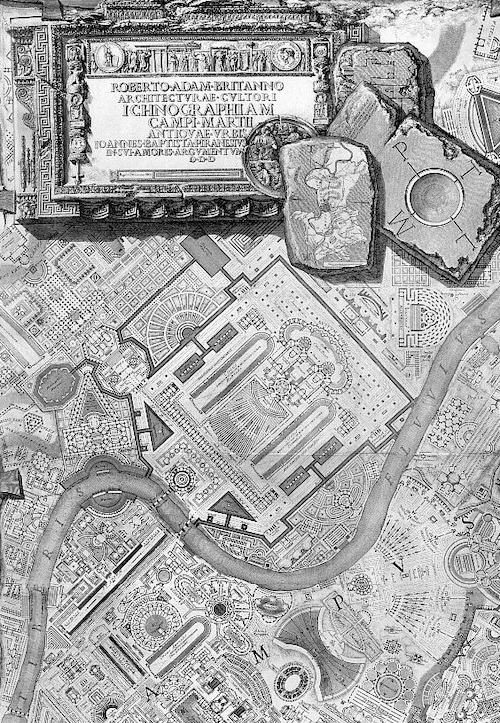
Critical architecture
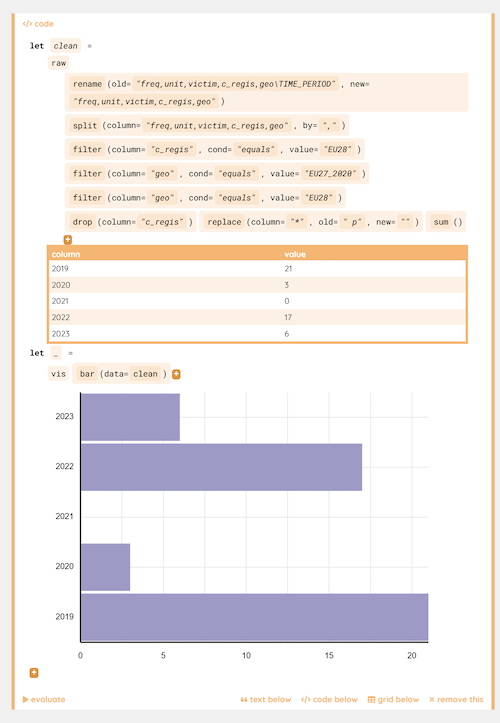
Programming systems
Essence
Interesting programming systems
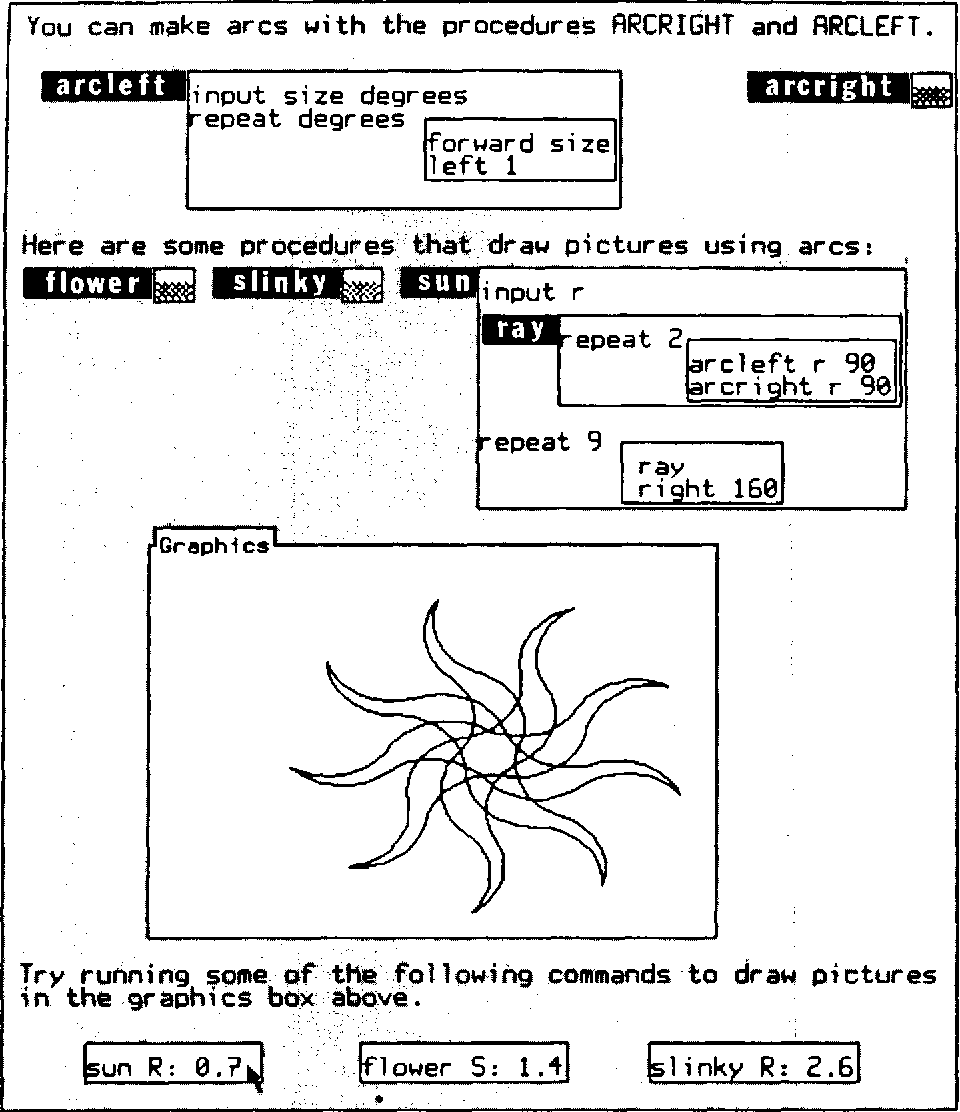
Boxer (1986)
Environment for creating interactive textbooks
Spatial metaphor
Naive realism
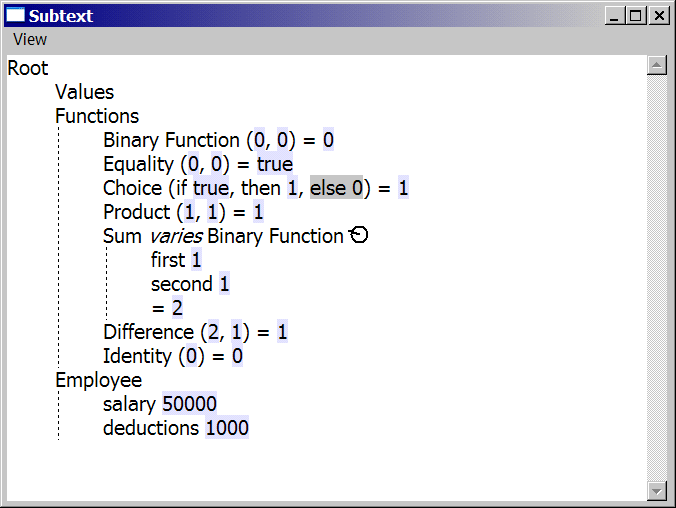
Subtext (2005)
Non-textual programming system based on copying
First-class copy&paste
Concrete programming
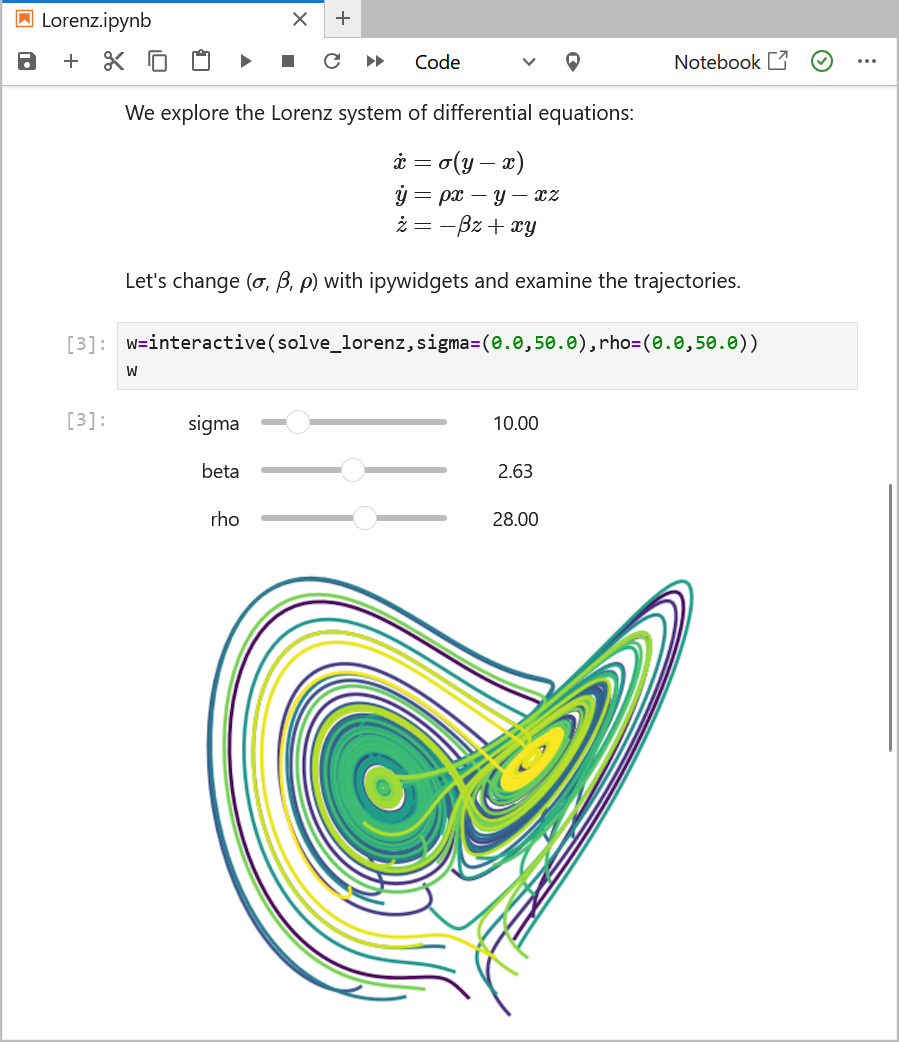
Jupyter/IPython (2001)
Literate programming environment for data science
Notebook with cells
Code, outputs, text
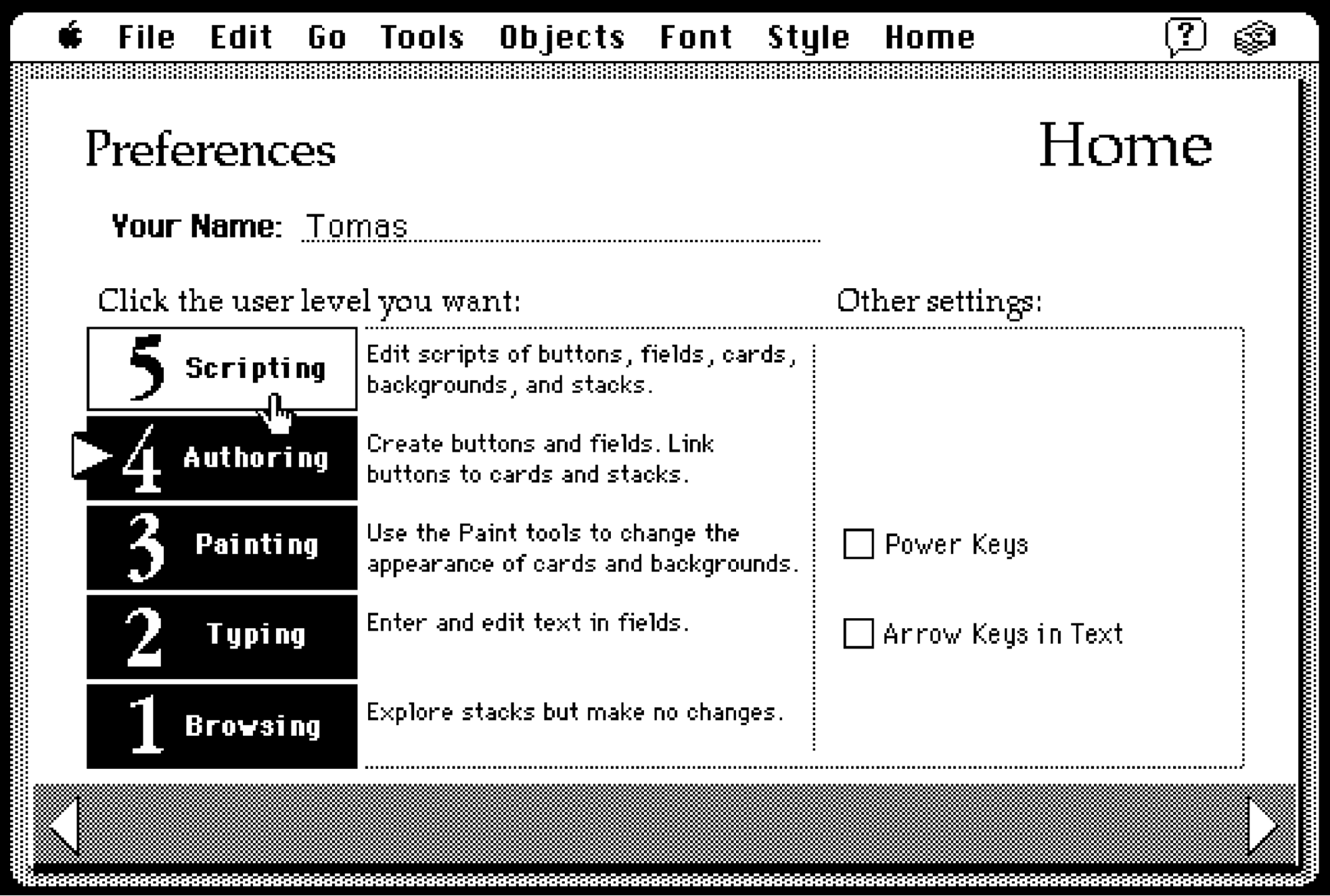
Hypercard (1987)
Hypermedia authoring system for end-users
Stacks of cards
User levels
HyperTalk language
Definition
Document-oriented programming system
Definition
Document-oriented programming system
-
Primary notation is document
Contains other data and code notations -
Interaction through document
Authoring and using through the same interface -
Editing running at the same time
No separation between edit-time and run-time
What about document-oriented systems?
Programming research
What is the formal model?
Can we type check them?
What are their design choices?
Human-centric research
Better support non-programmers
Support progression to expert
More open and transparent!
Denicek
Substrate for end-user doc programming
Programming experiences
Programming experiences
Collaboration
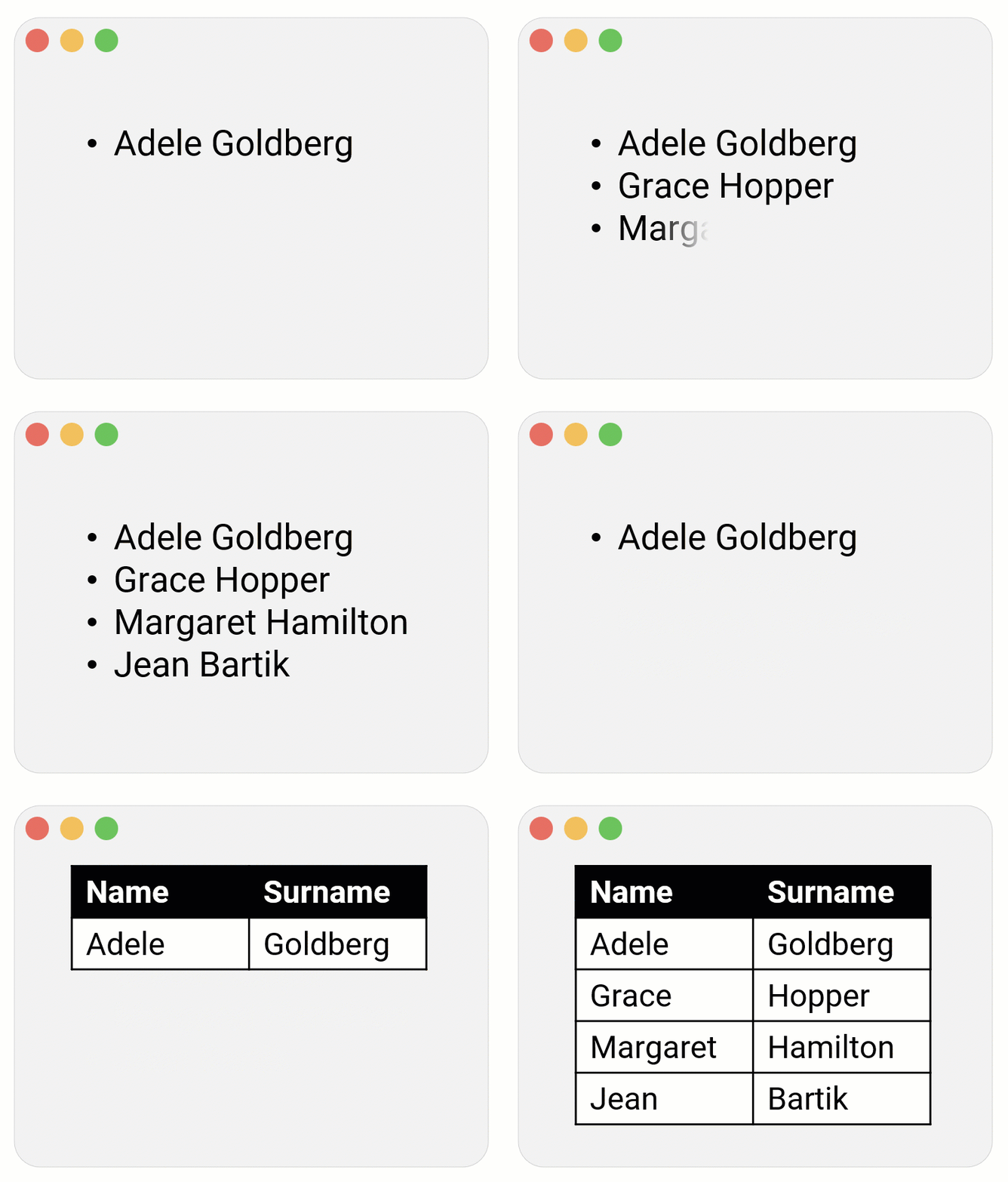
Merge edits made independently by different users
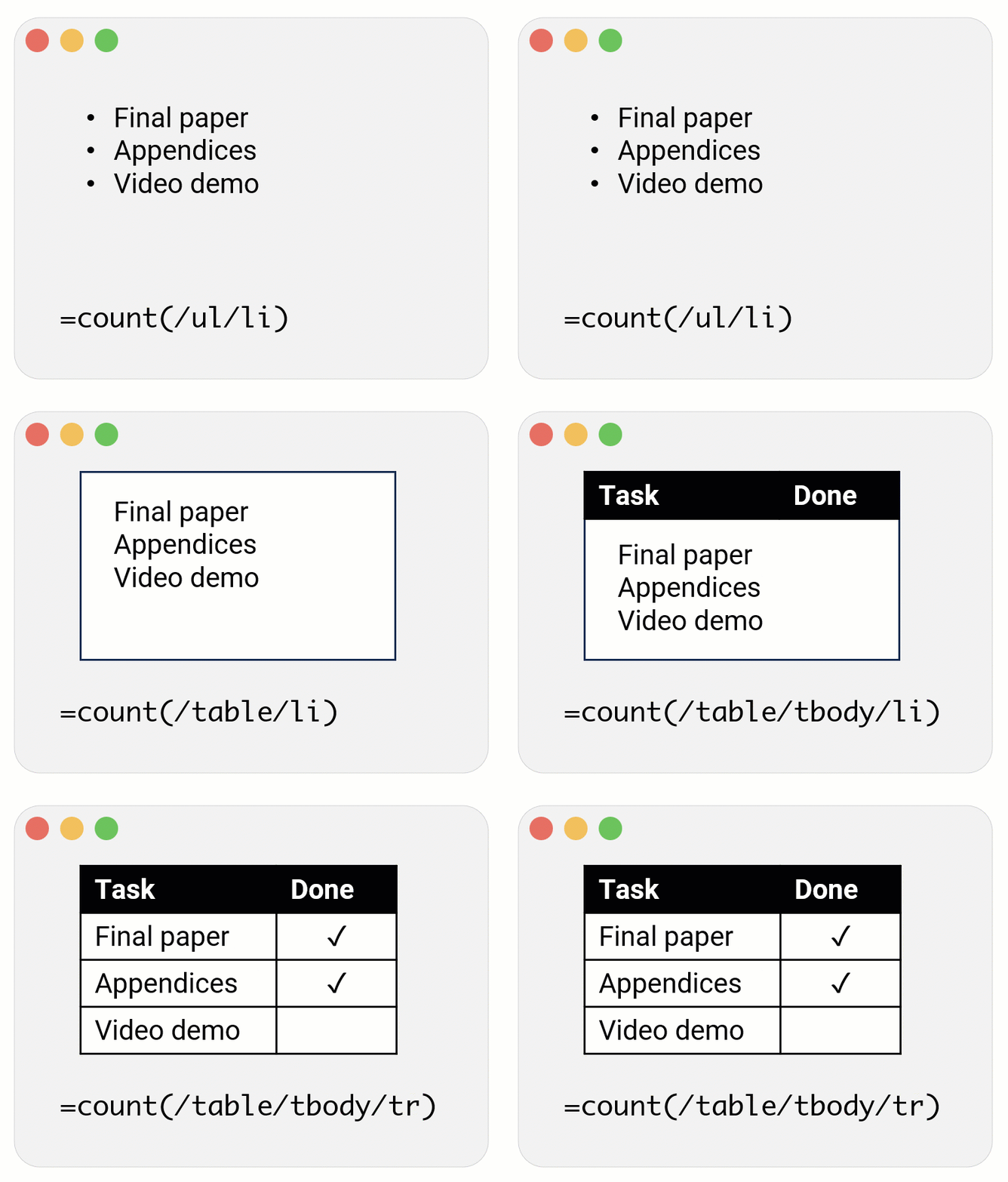
Demonstration
Specify program by showing concrete document action
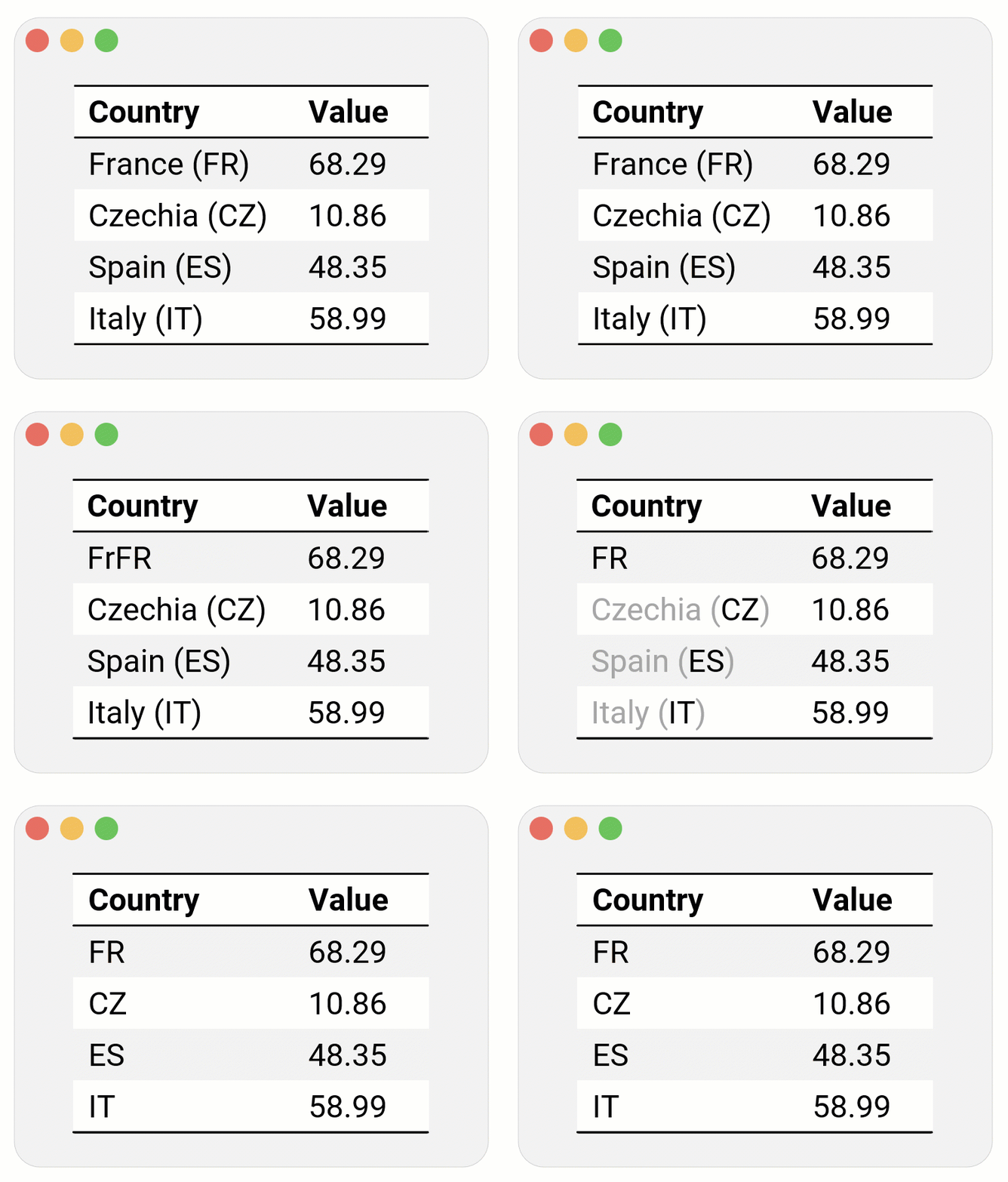
Schema change
Adapt references when document structure changes
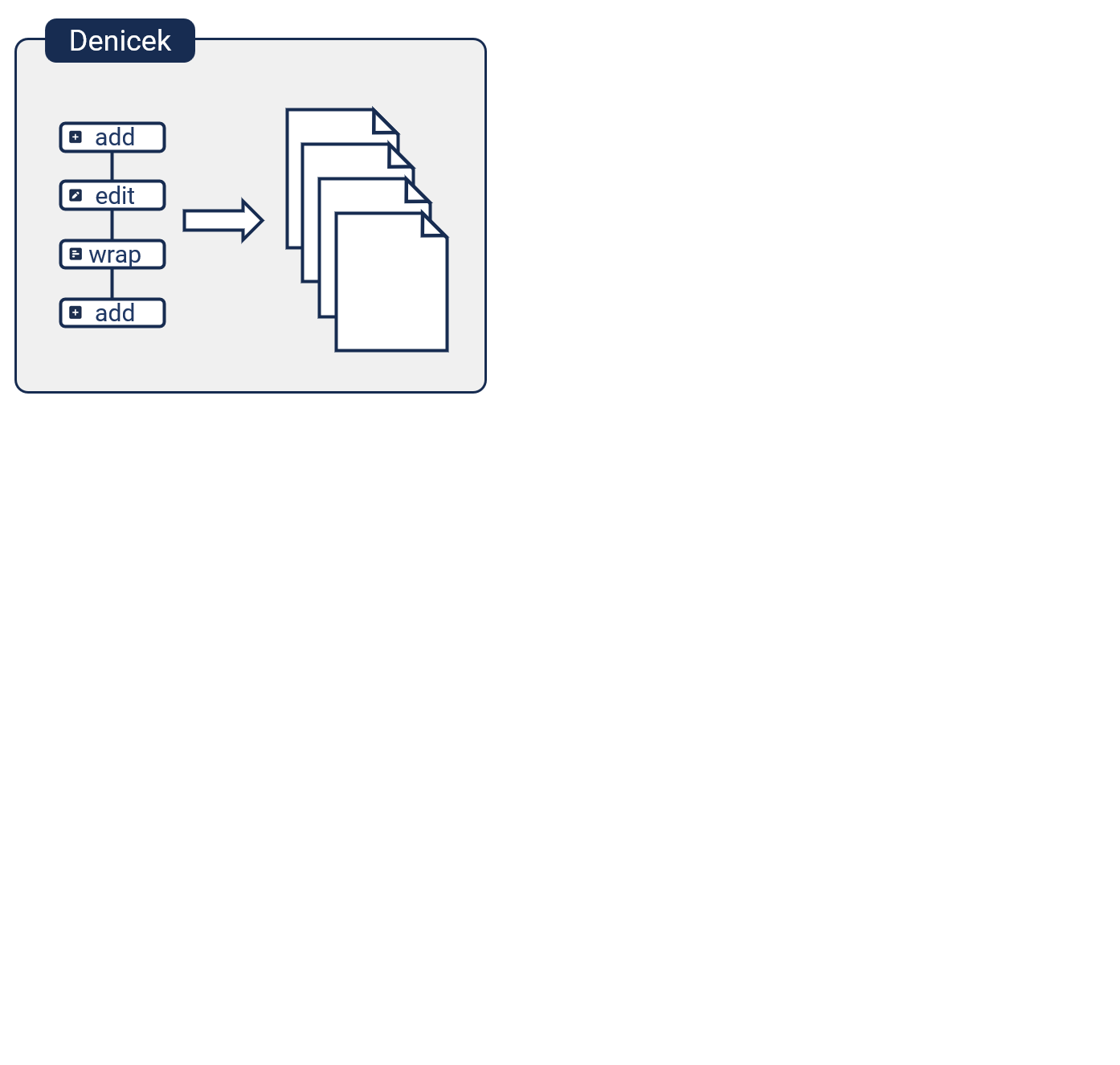
Denicek
Computational substrate for end-user document-oriented programming
Makes implementing
such systems easy!
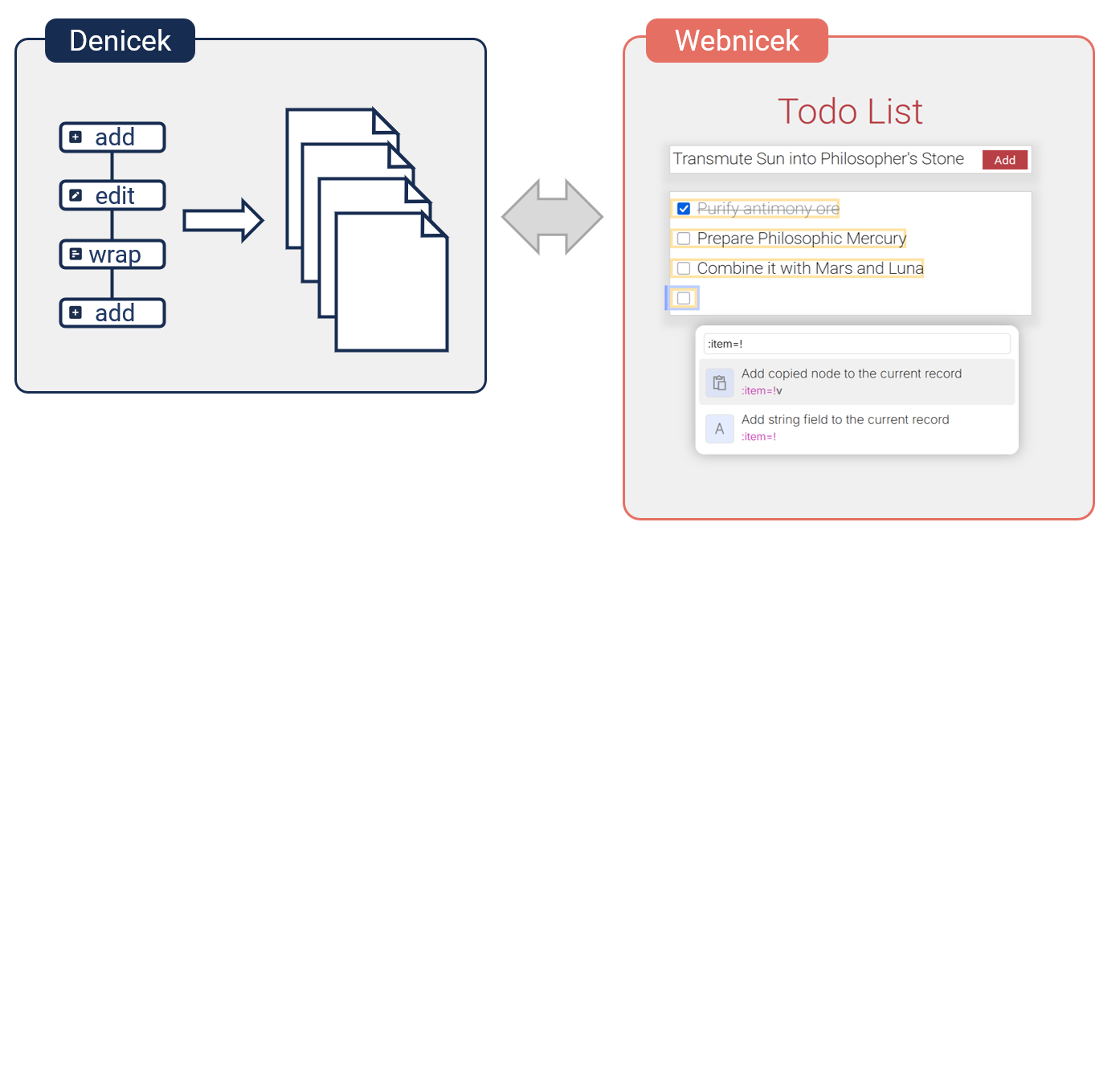
Webnicek
Web-based end-user programming tool
Co-developed with the Denicek substrate
Six formative examples
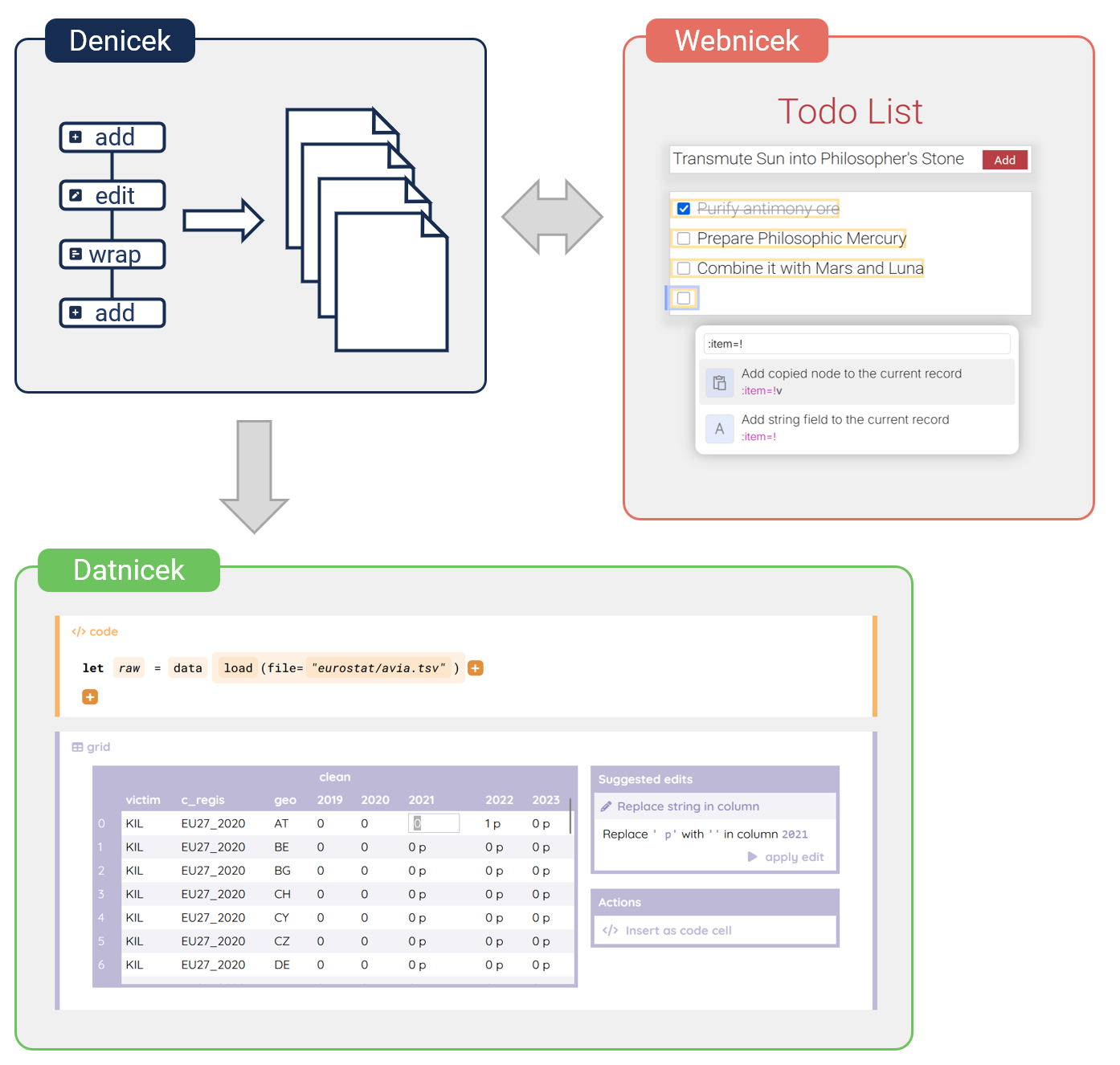
Datnicek
Simple data science notebook system
Collaborative editing
Programming by demonstration
Incremental evaluation
Denicek: Document and Edit history
Denicek: Document and Edit history
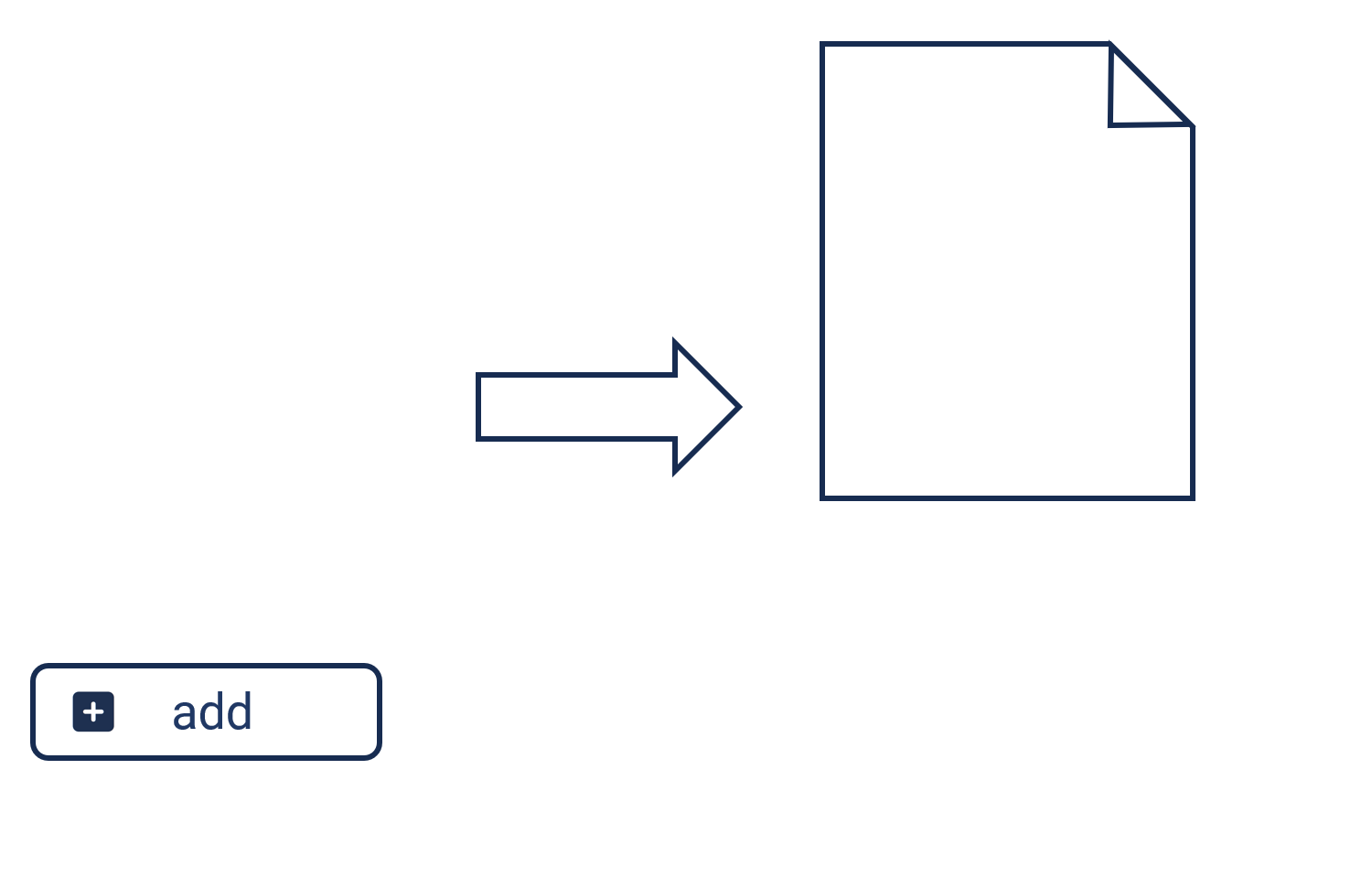
Denicek: Document and Edit history
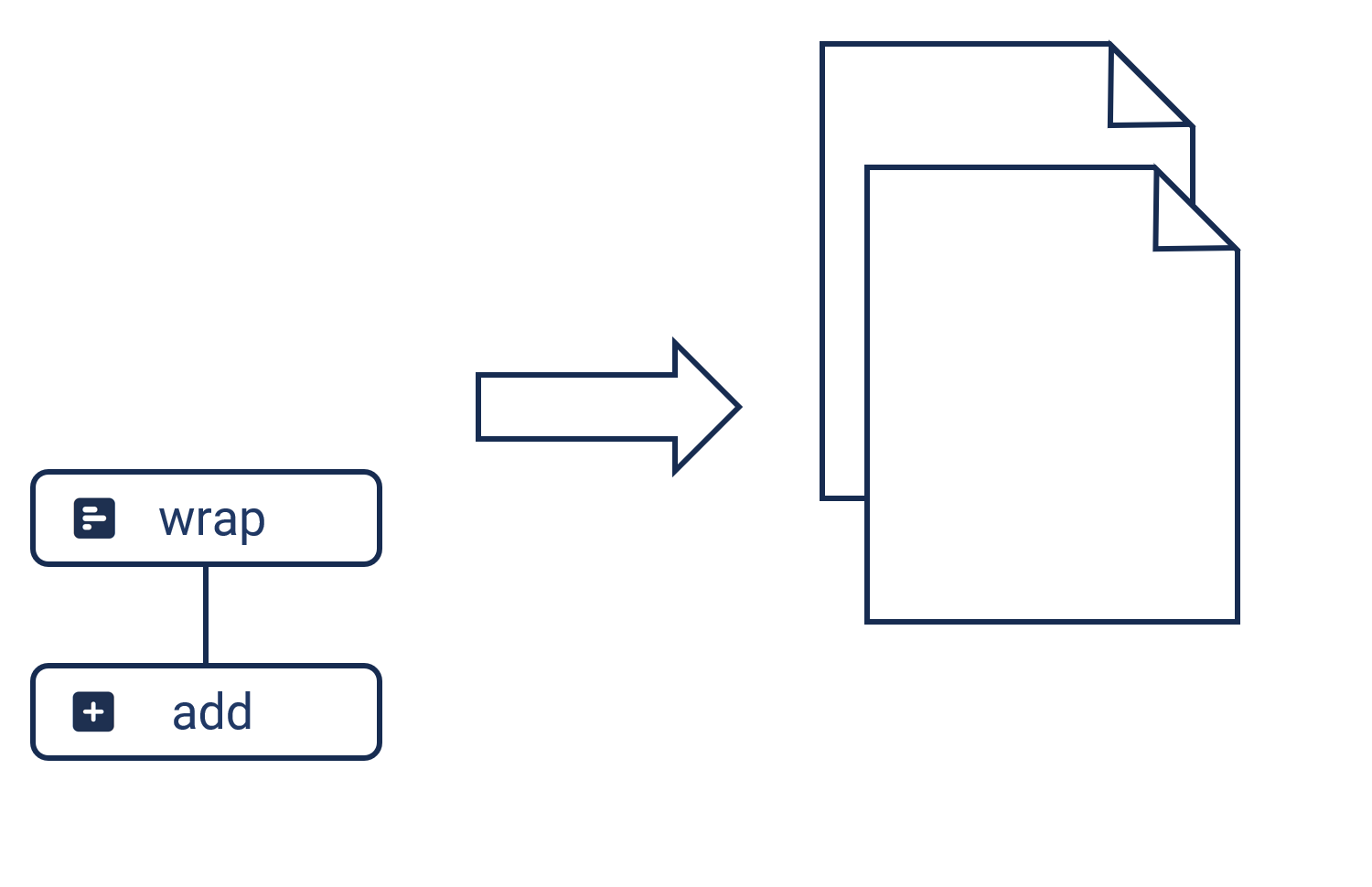
Denicek: Document and Edit history
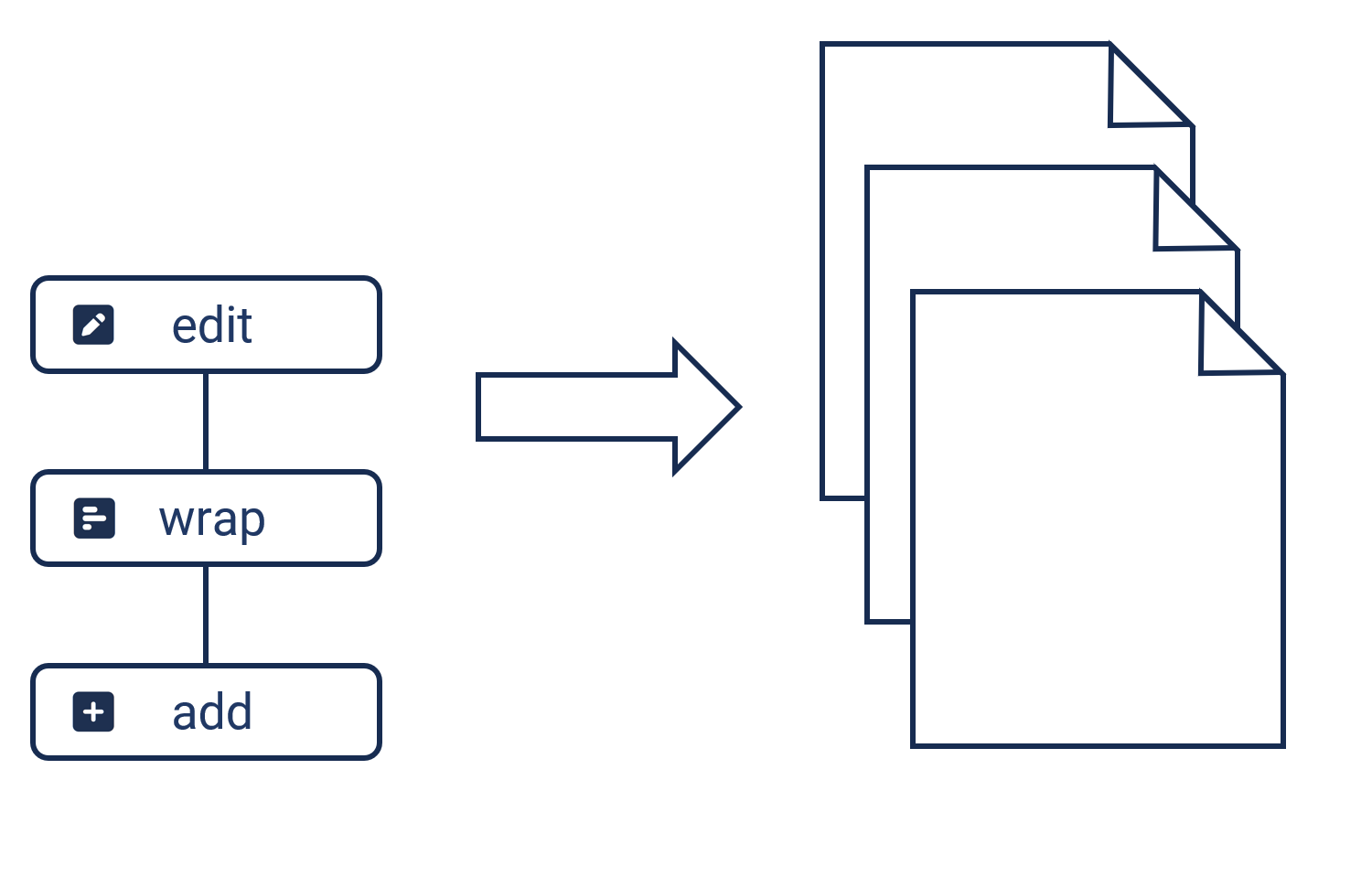
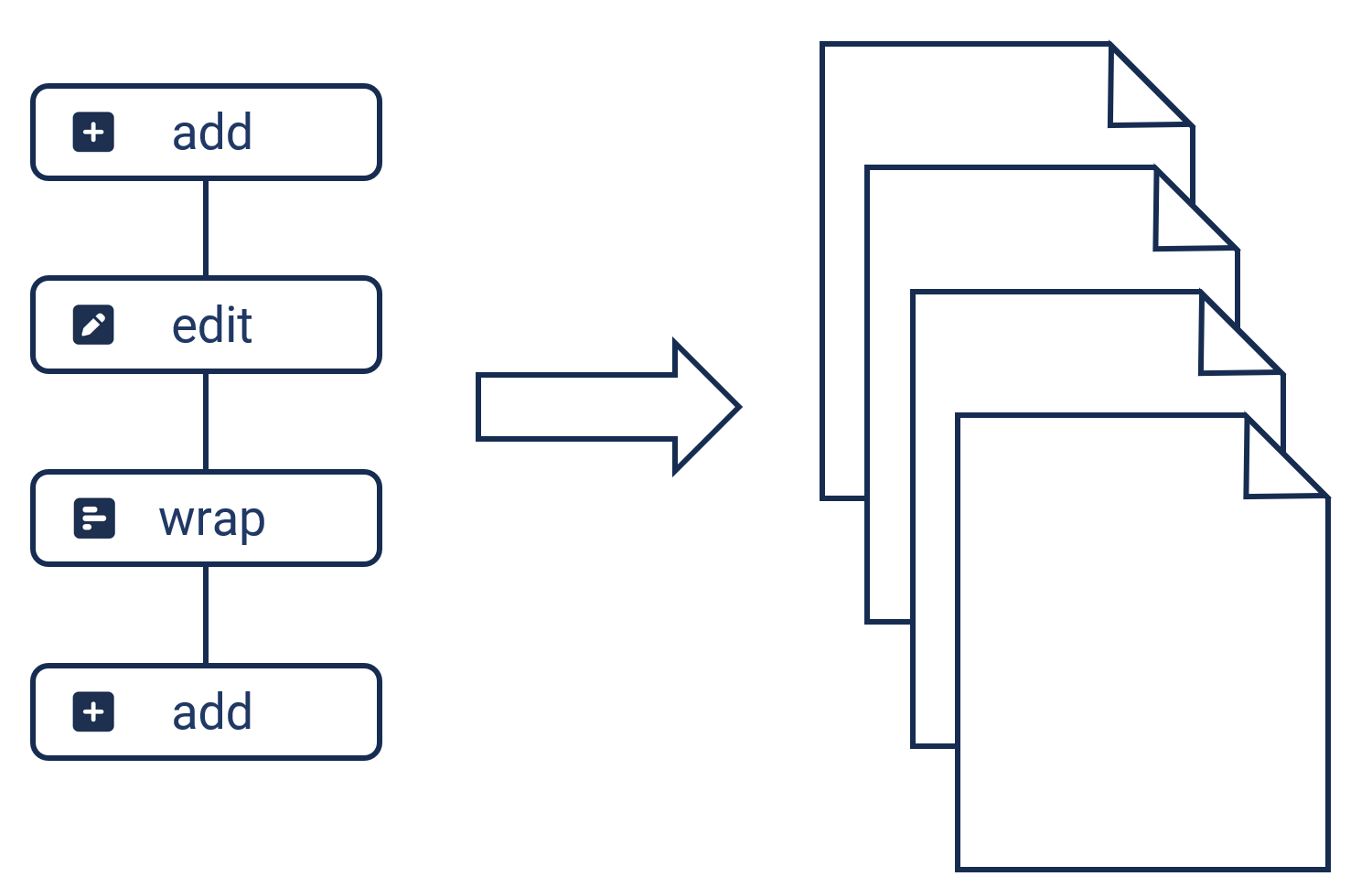
Denicek: Document and Edit history
Demo
Conference planning in Webnicek
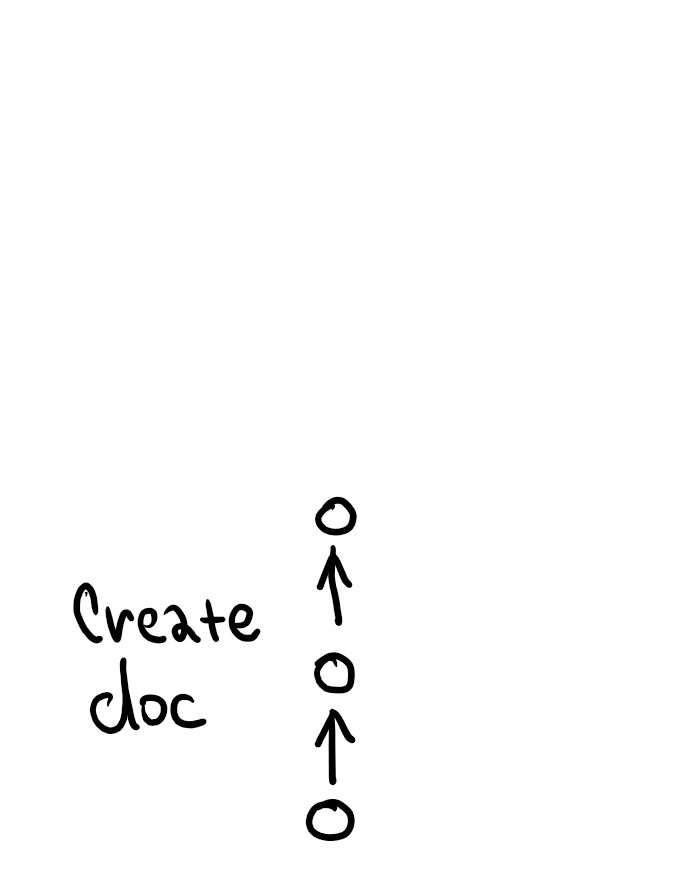
Collaborative editing
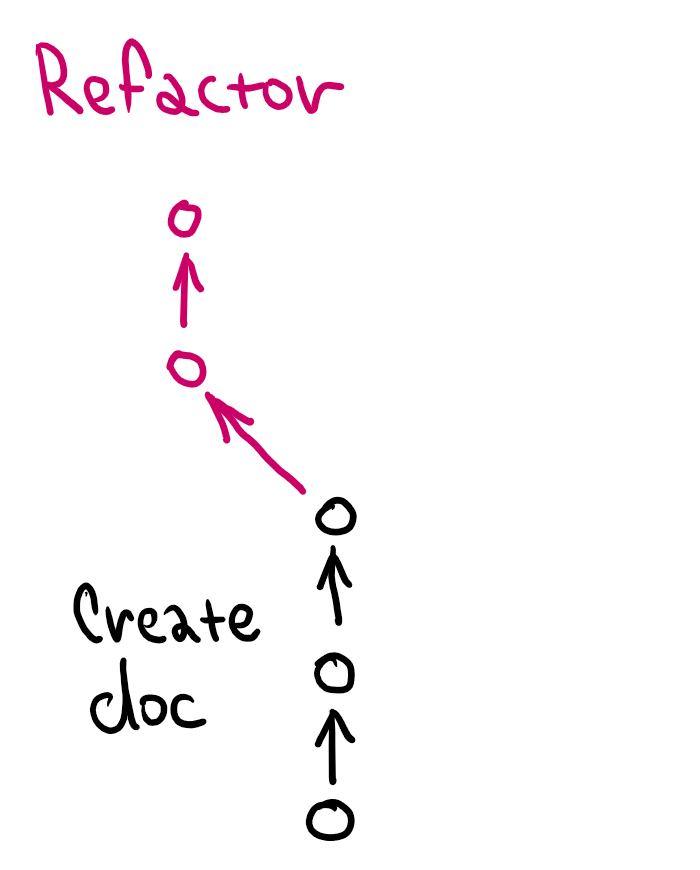
Collaborative editing
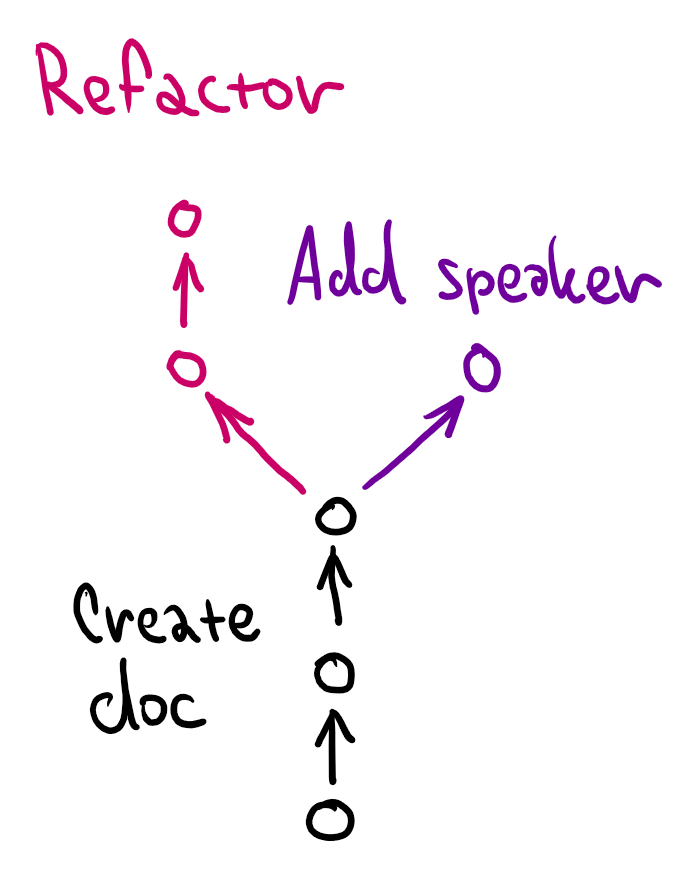
One user changes the document structure
Collaborative editing
One user changes the document structure
Another user changes
data in the document
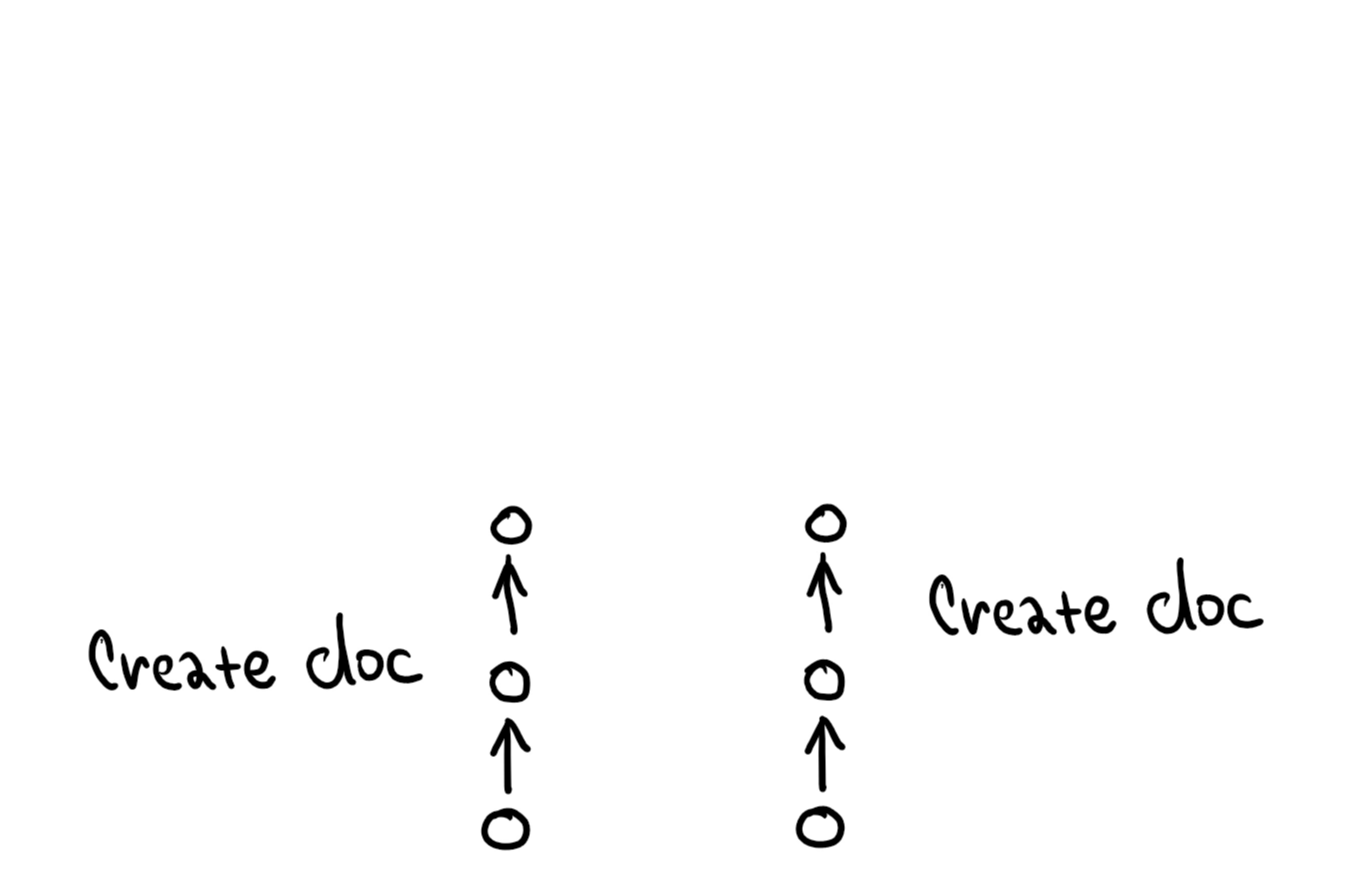
Can we merge the edits?
Merging edits
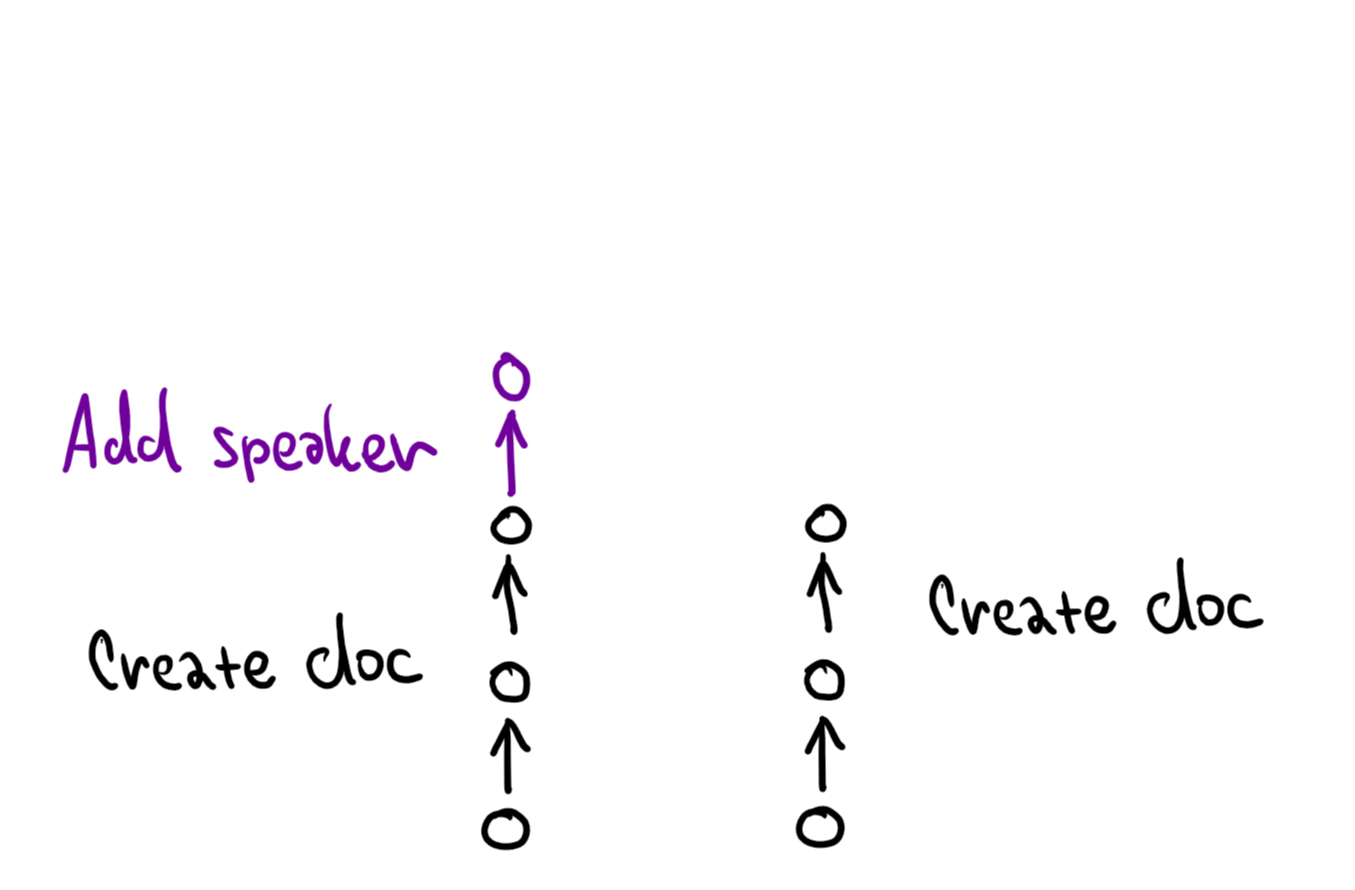
Linearize like rebase
Merging edits
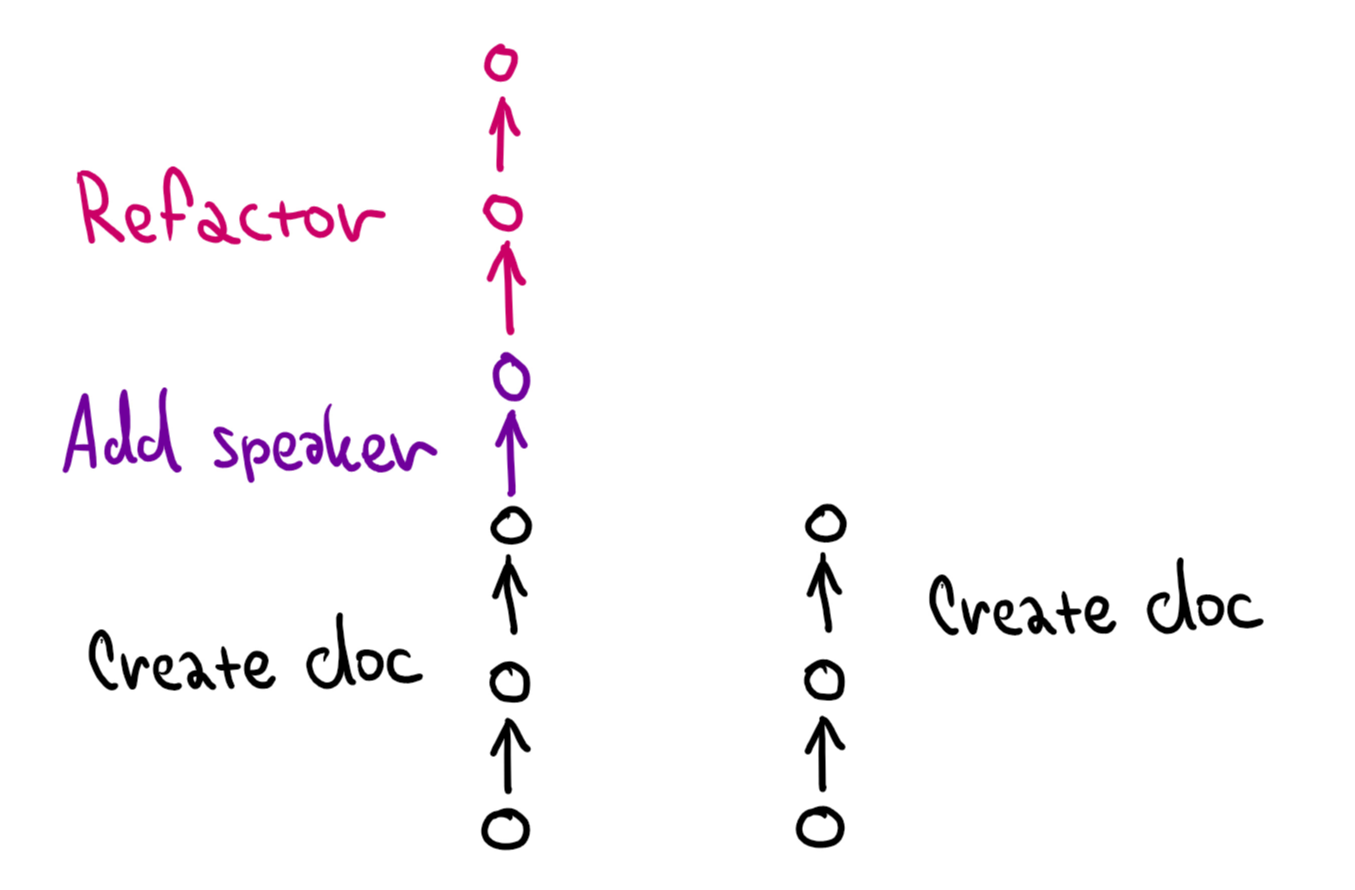
Linearize like rebase
Merging edits
Linearize like rebase
Add data first, then change document structure is easy!
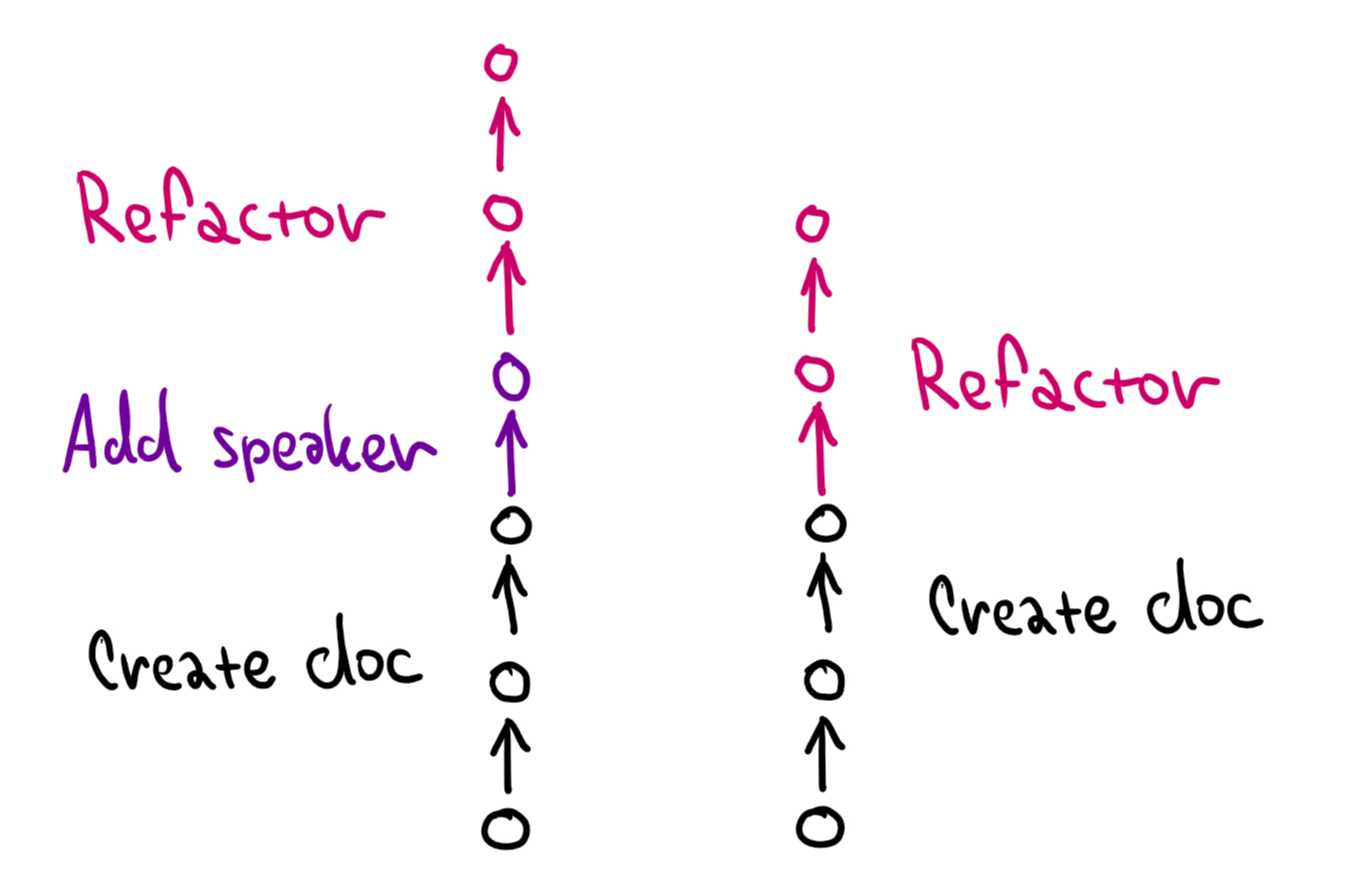
Merging edits
Linearize like rebase
Add data first, then change document structure is easy!
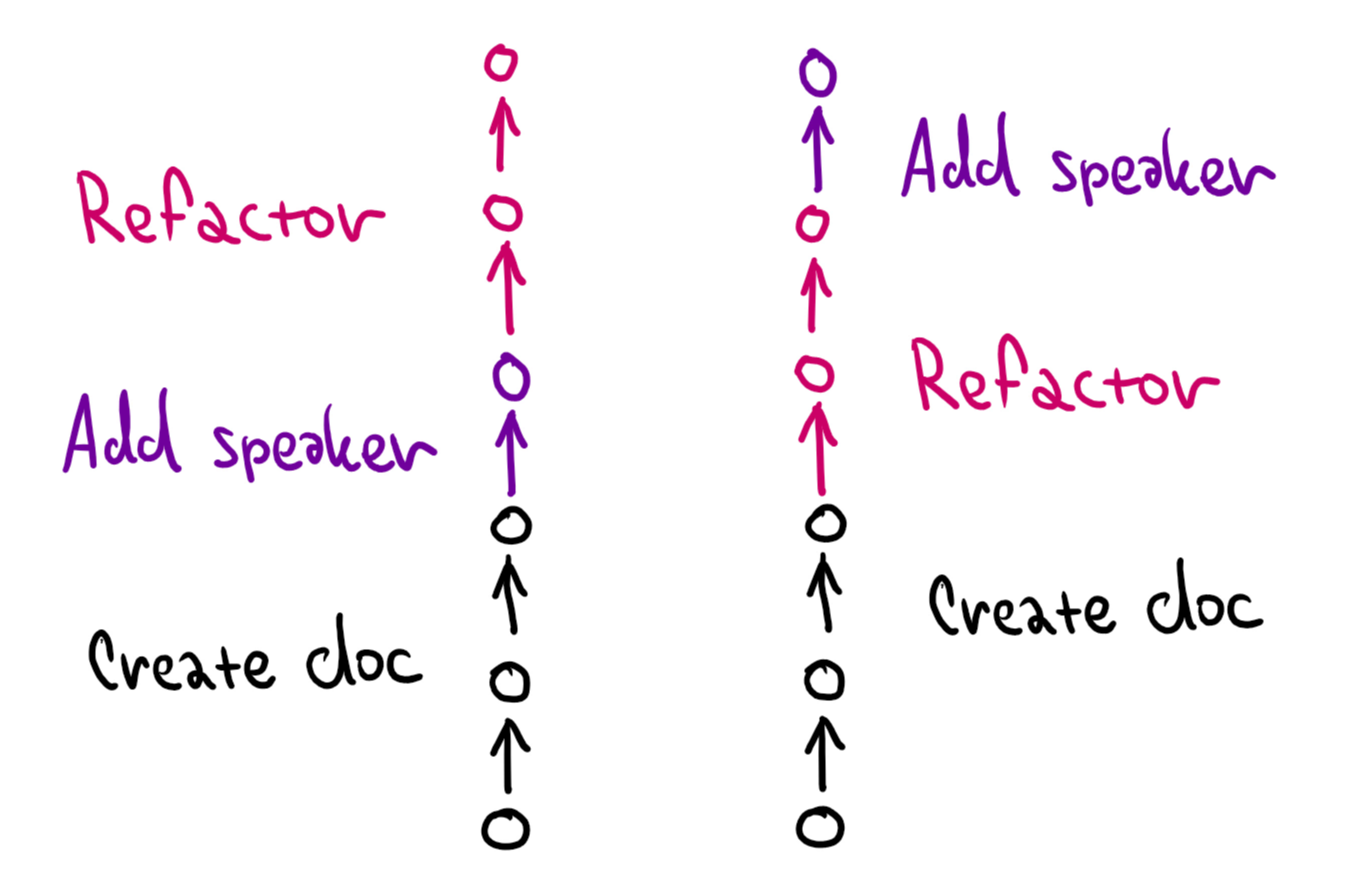
Merging edits
Linearize like rebase
Add data first, then change document structure is easy!
Change structure, then add new data is tricky!
Three primitive operations
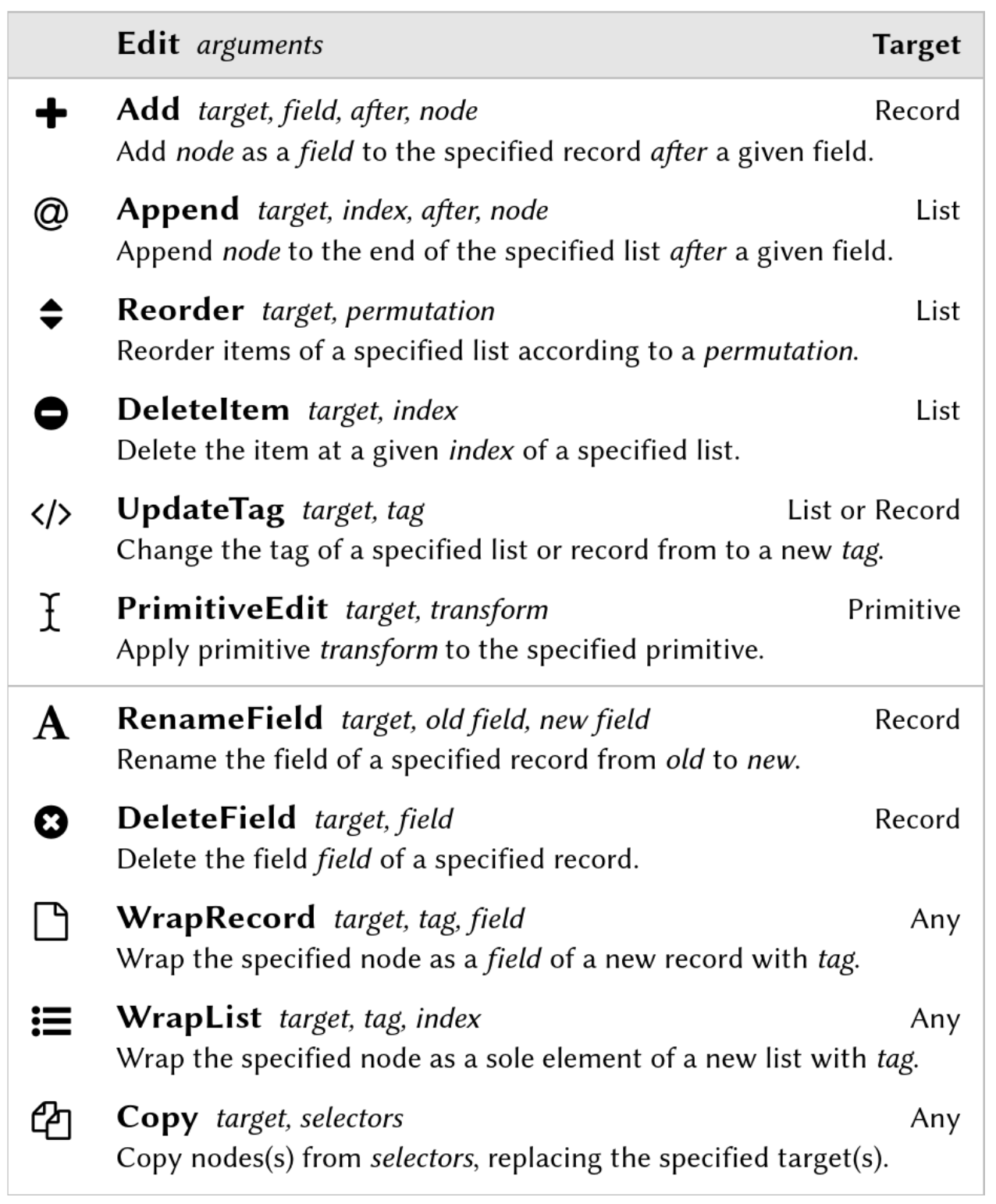
Apply edit history
Compute the current
document state
Merging of histories
Turn branching into
a linear history
Conflict detection
Report merge conflicts
Merging of edit histories
Merging
Given \(E, E_1\) and \(E, E_2\) with a shared prefix \(E\):
\(\mathcal{M}_E(E_1, E_2) = E, E_1, E_2'\)
\(\mathcal{M}_E(E_2, E_1) = E, E_2, E_1'\)
Edit reconciliation
Given \(e_1\) and \(e_2\), produce \(e_2', e_2'', \ldots\) that can be applied after \(e_1\)
- Apply \(e_1\) to nodes newly added by \(e_2\)
- Transform references in \(e_2\) according to \(e_1\)
Demo
Programming by demonstration
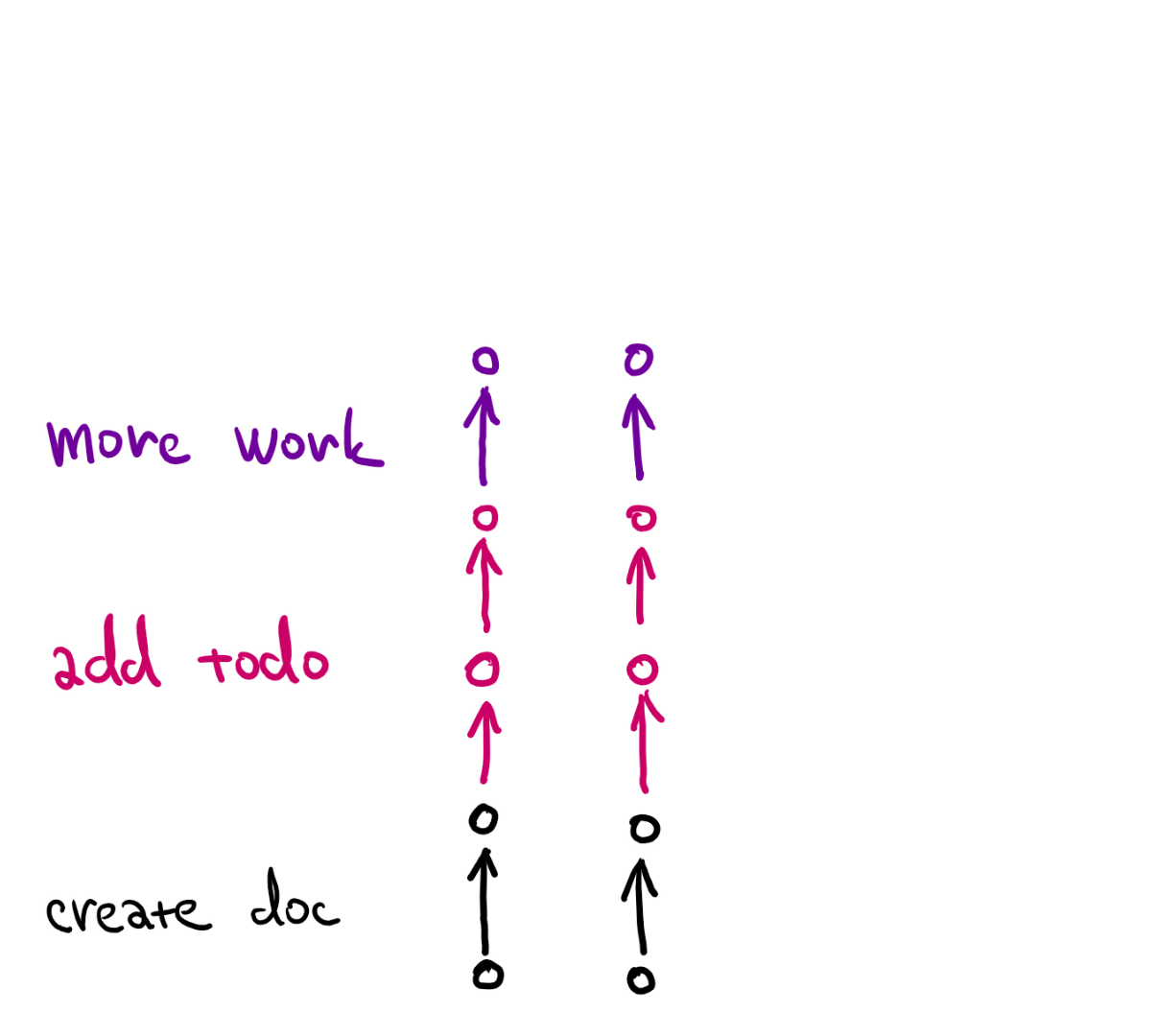
The unreasonable effectiveness of merge
Simply replay edits on top of the current history!
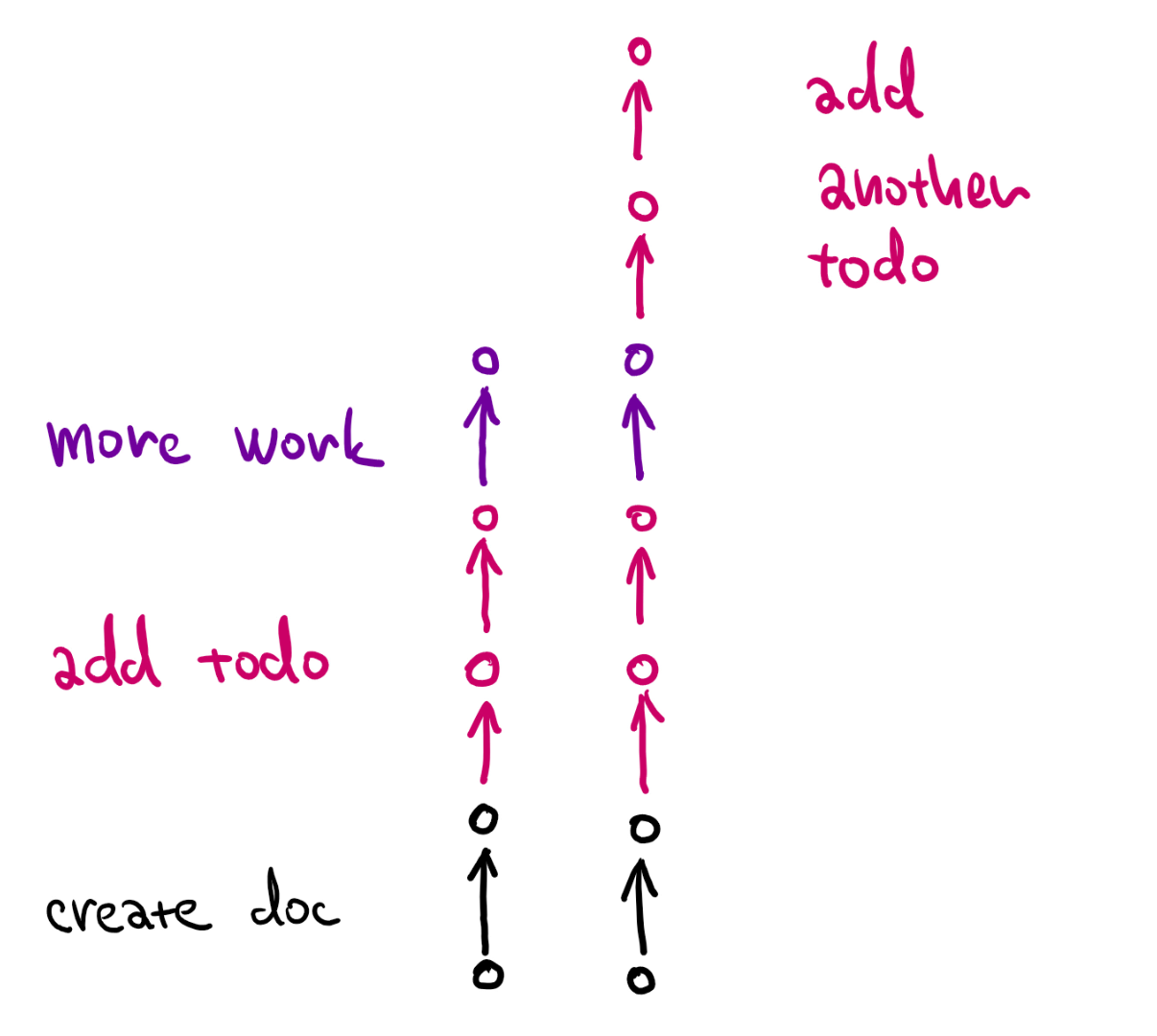
The unreasonable effectiveness of merge
Simply replay edits on top of the current history!
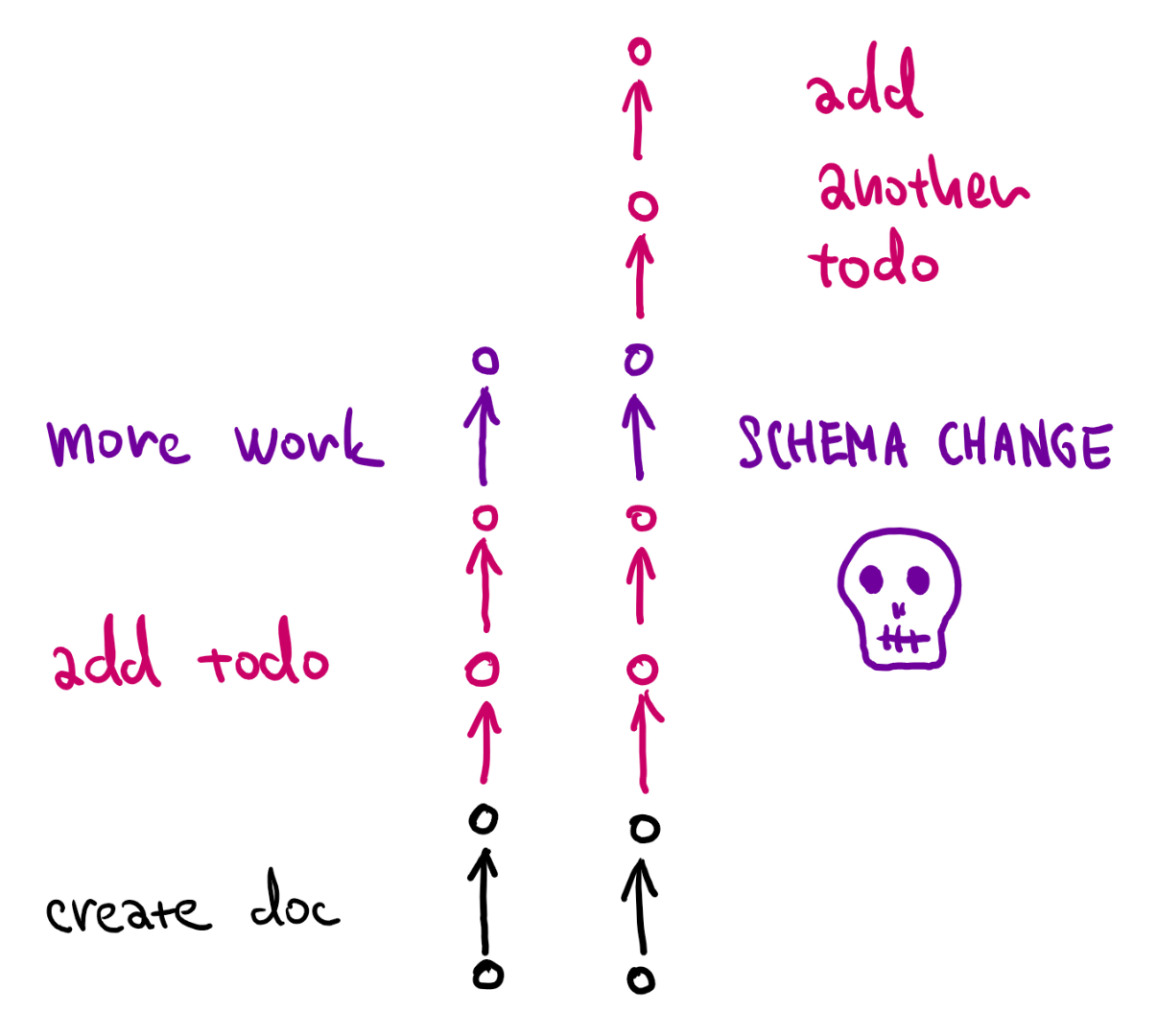
The unreasonable effectiveness of merge
Simply replay edits on top of the current history!
Does not work if the
document evolves...
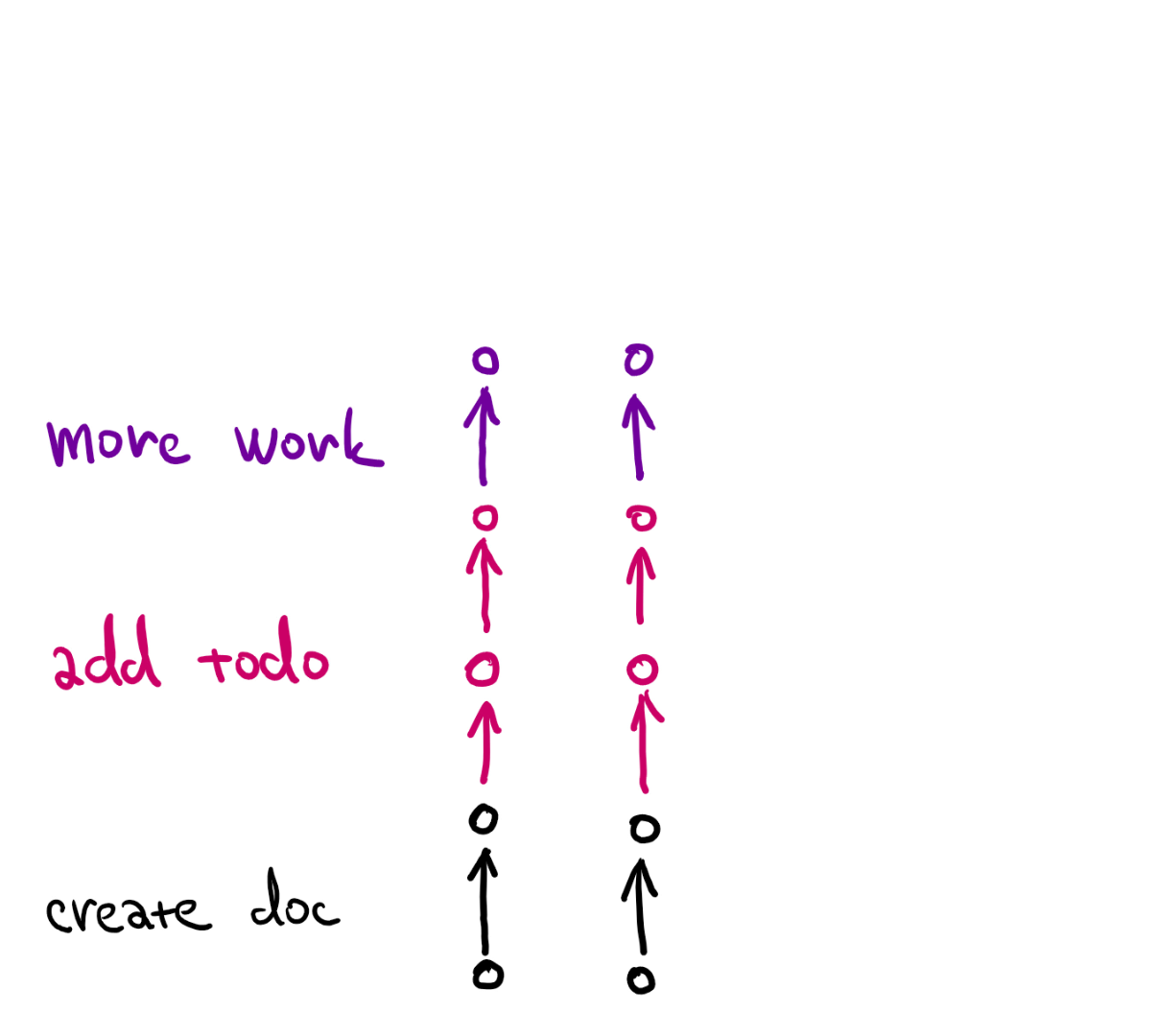
The unreasonable effectiveness of merge
Branch off from the original document version & merge
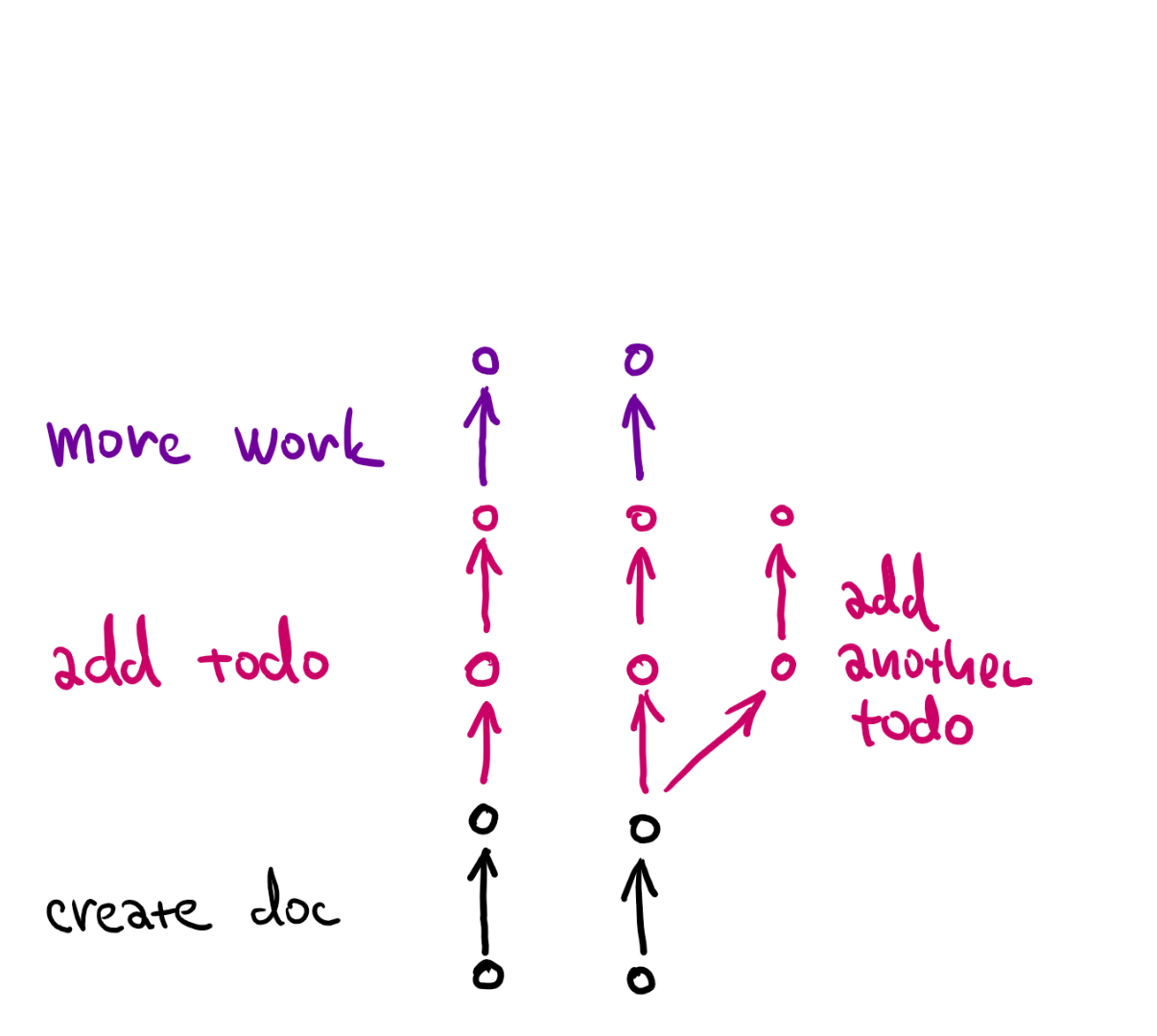
The unreasonable effectiveness of merge
Branch off from the original document version & merge
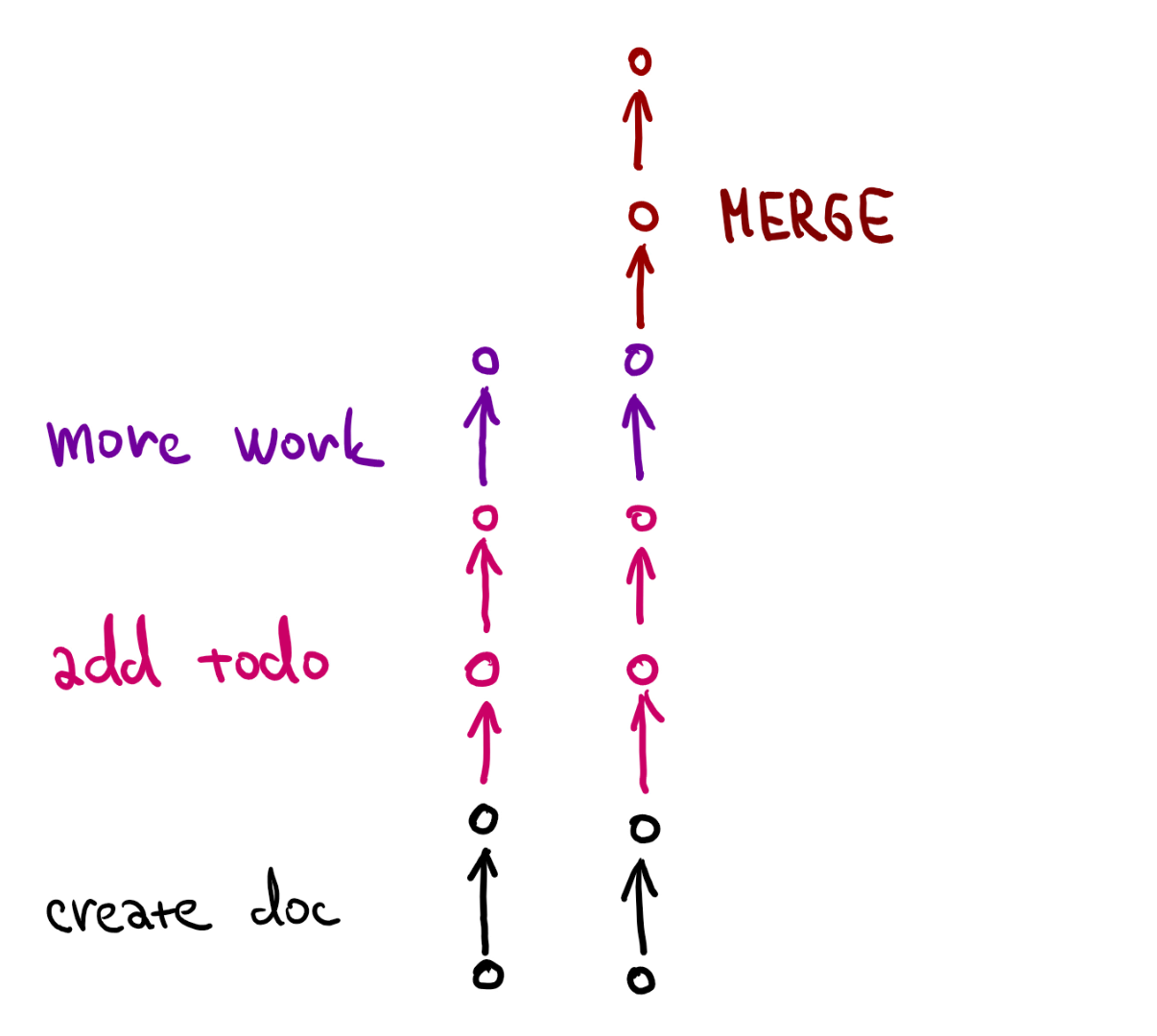
The unreasonable effectiveness of merge
Branch off from the original document version & merge
Merging logic adapts edits to the new schema
The unreasonable effectiveness of merge
-
Collaborative-document editing
Merge edits done independently -
Programming by demonstration
Replay edits correctly using merge -
Incremental recomputation
Remove conflicting evaluated edits -
Concrete programming
Edit formula before it was copied
Demo
Denicek-based data exploration
Timeline
Adding time to spreadsheets
Dimensions: Entities × Properties × Time


Third dimension in Excel
Rows for time steps
Columns left for entities and their properties
Two ways of encoding attributes in a sheet
Study participants recognize this as painful
Adding time to spreadsheets

Implementing counter
A1 = 0 => A1[-1] + 1
Two language additions
A1[-1] to access past values
=> to specify initial value
Synchronous dataflow
Compare formula with Lustre!
nat = 0 -> pre(nat) + 1;
Functional reactive programming

Counting key presses
A1 = 0 => A1[-1] +
  IF(KEYPRESS("A"), 1, 0)
Two reactive concepts
- Events for discrete events
- Bahaviors for time-varying values
There is more to do
-
No switching to dynamically
reconfigure dataflow graph
Composable visualizations

Two problems
- Excel-like UI does not scale
- Need to see values over time
Functional approach
- Domain-specific language
- Primitives like
COLUMN - Combinators like
OVERLAY,FILLCOLOR - Perfect fit for ranges & drag-down interaction
Coeffect-based optimization
How many past values do we need to cache?
- Track the required number of past values
A1[-1]creates \(@\; 1\) requirement atA1
Inspired by dataflow coeffects
\(\dfrac{(x:\tau)\in\Gamma}{\Gamma \;@\; 0 \vdash x : \tau} \qquad \dfrac{\Gamma \;@\; n \vdash e : \tau}{\Gamma \;@\; (n+1) \vdash \textbf{prev}~e : \tau}\)
Open question
What makes spreadsheets work?
- Closeness of mapping
- Low abstraction support
- High degree of liveness
- Concrete programming
Adding time
Do we lose something?
- Closeness of mapping
- Low abstraction support
- High degree of liveness
- Concrete programming
Design choices
Document-oriented programming systems
Design
Four clusters of design choices
- Document structure and representation
- Programming model and capabilities
- Display and editing mechanisms
- Evaluation mode and state
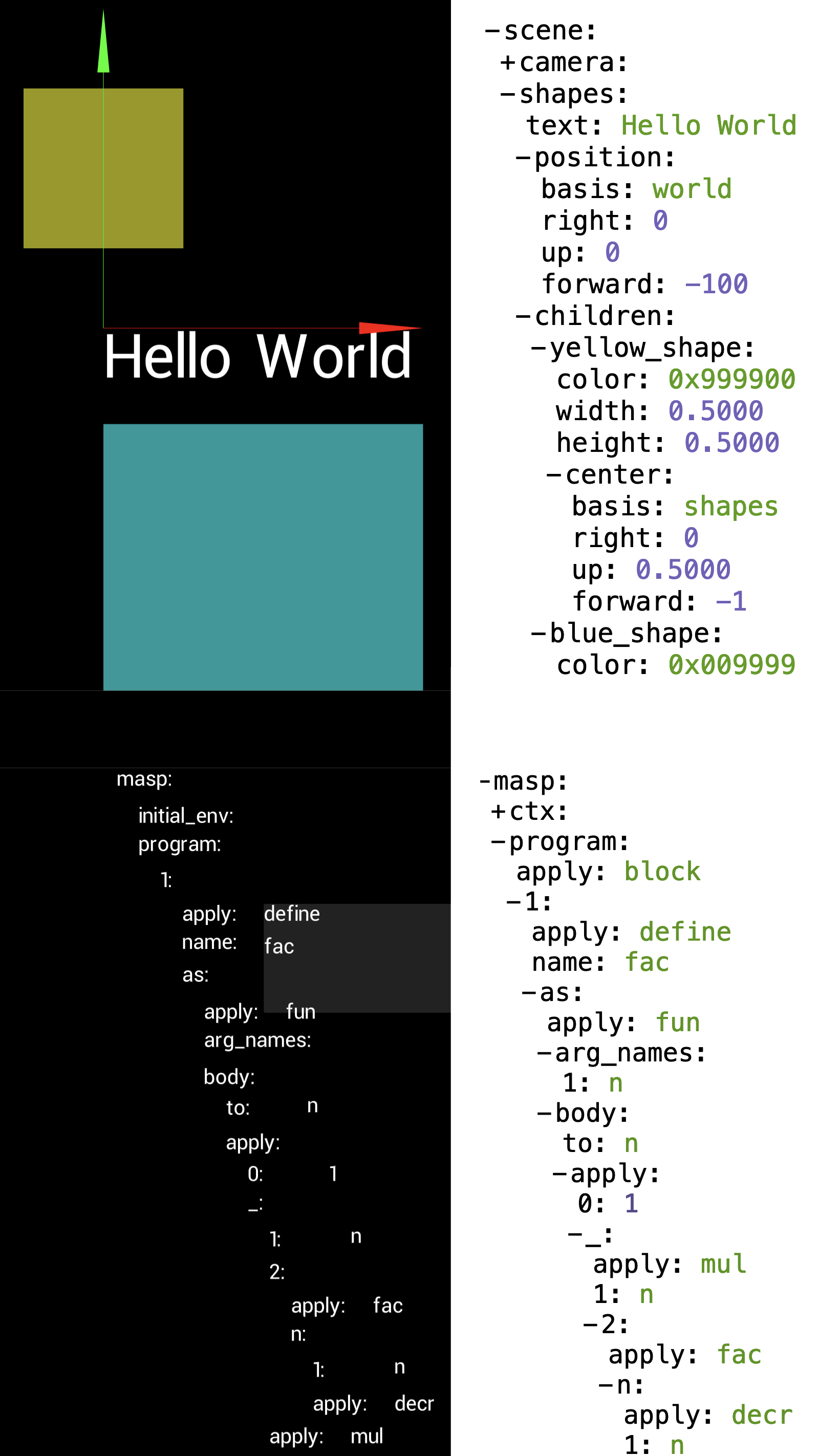
Display mechanism
Naive realism
Boxer, Webstrates
Renderer with widgets
Jupyter, Forms/3
API calls
Ampleforth, Hypercard
Memory-mapped
BootstrapLab, (BASIC :-)
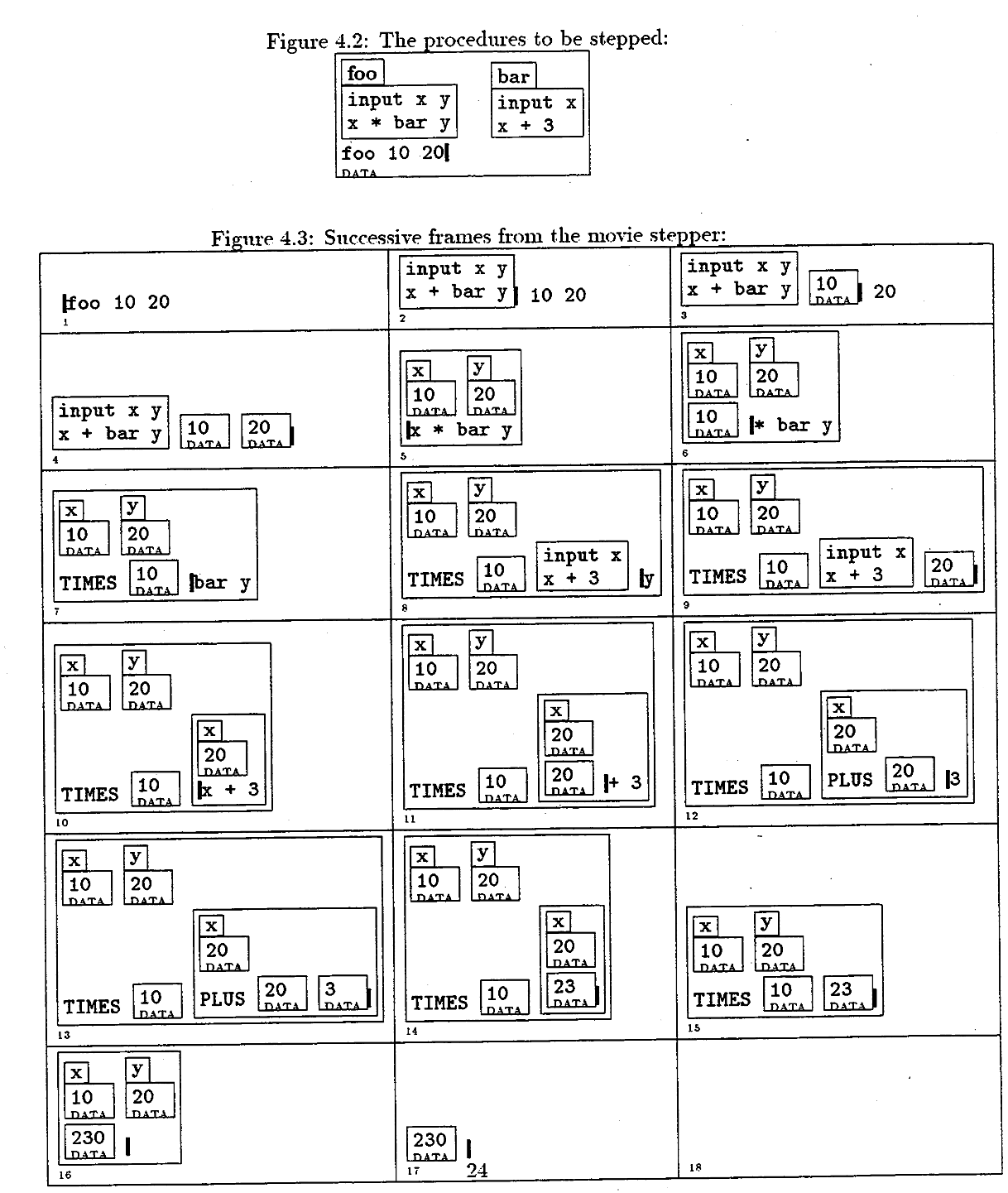
Evaluation state
Ephemeral results
Spreadsheets, Jupyter
Materialized results
Hypercard, Webstrates
Internalized execution
Boxer, BootstrapLab
Materialized execution
Denicek, Subtext
Conclusions
Document-oriented programming systems
Document-Oriented
Programming Systems
Interesting kind of programming systems
Both user-centric and theory research
Documents as computational substrates?
Tomas Petricek, Charles University, Prague