The invention of a programming language
Cultures of Programming — Part 3
Tomas Petricek, Charles University, Prague

How did we get
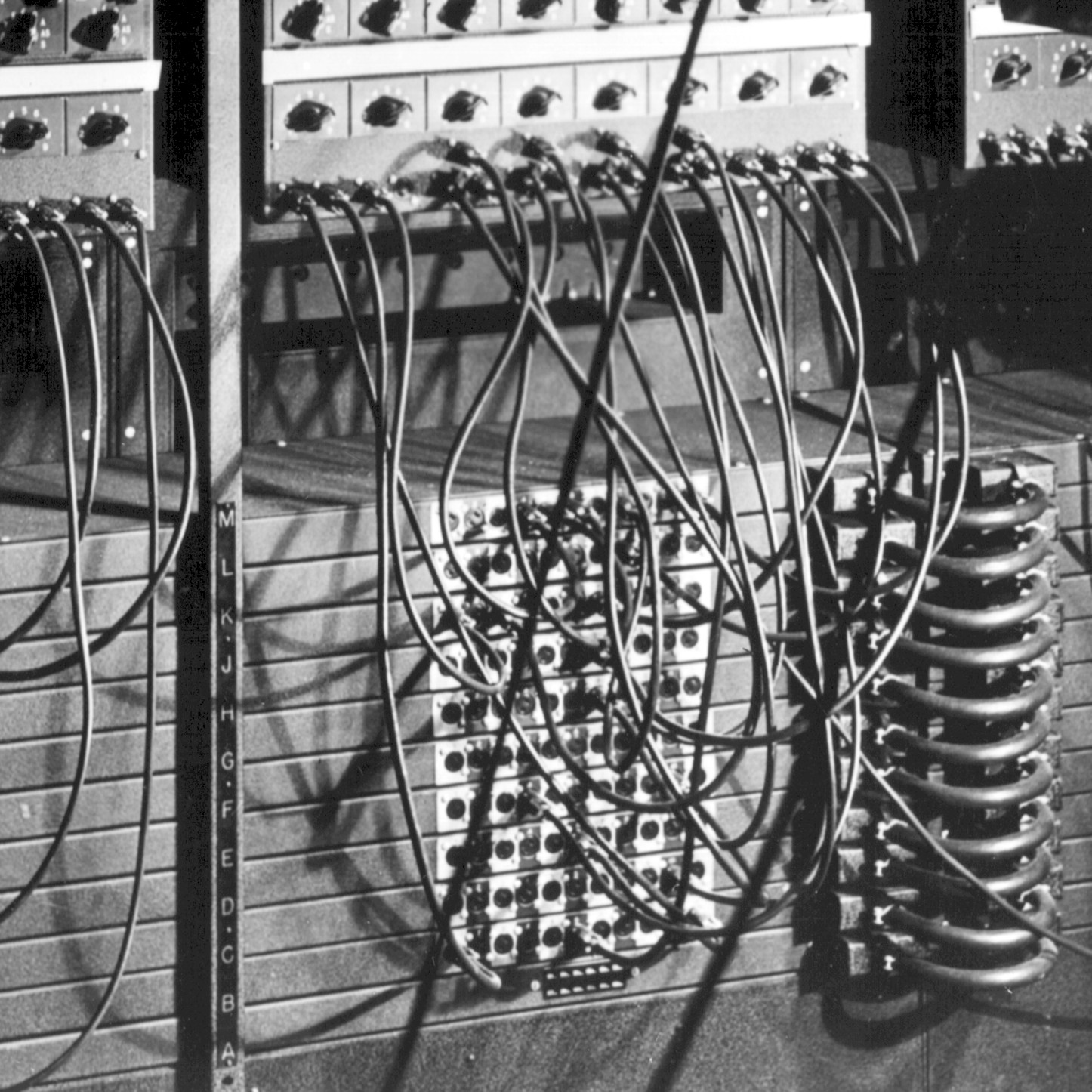
From plugging cables...
Programming the ENIAC
...to languages?
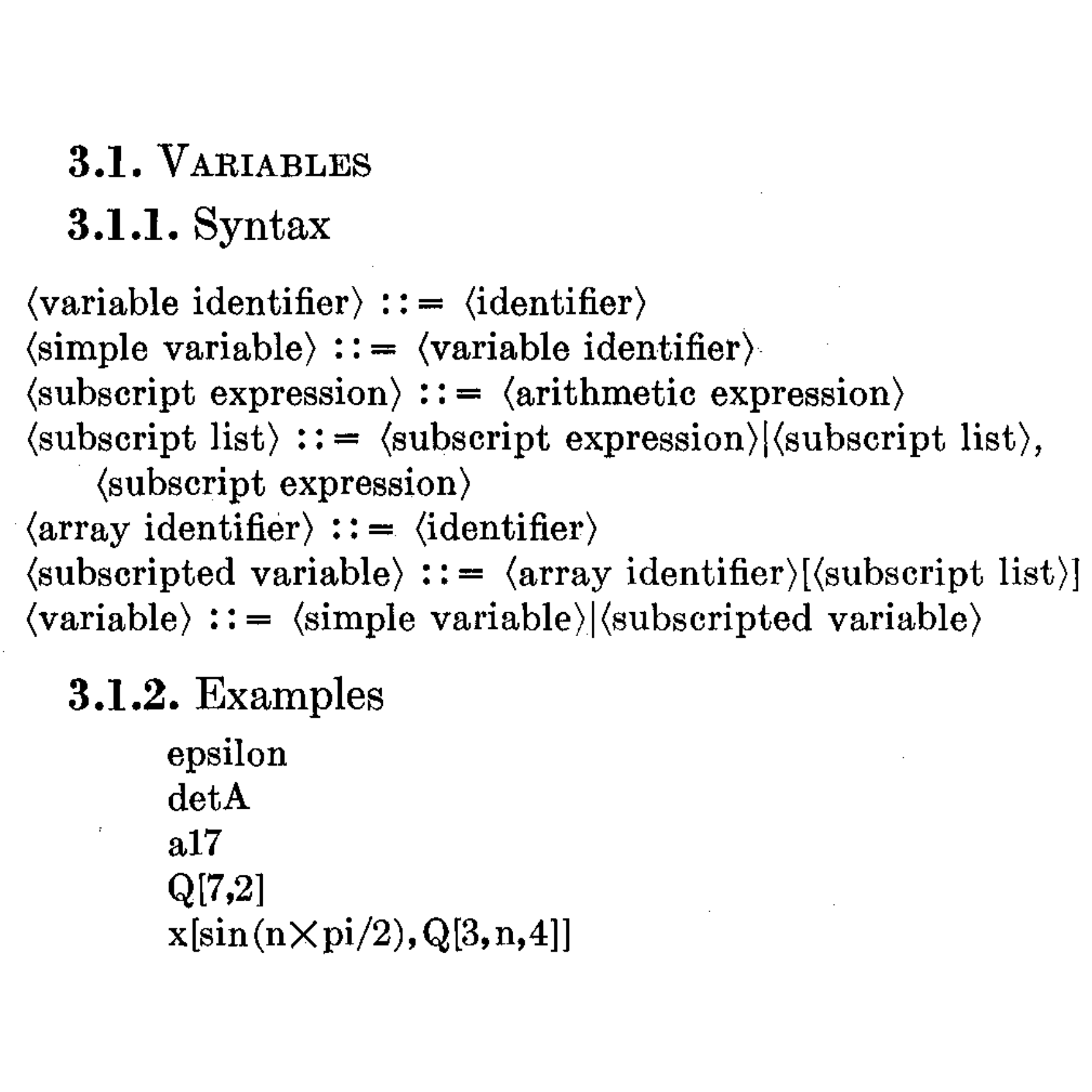
Algol language definition
Metaphors
Computers as giant electronic brains
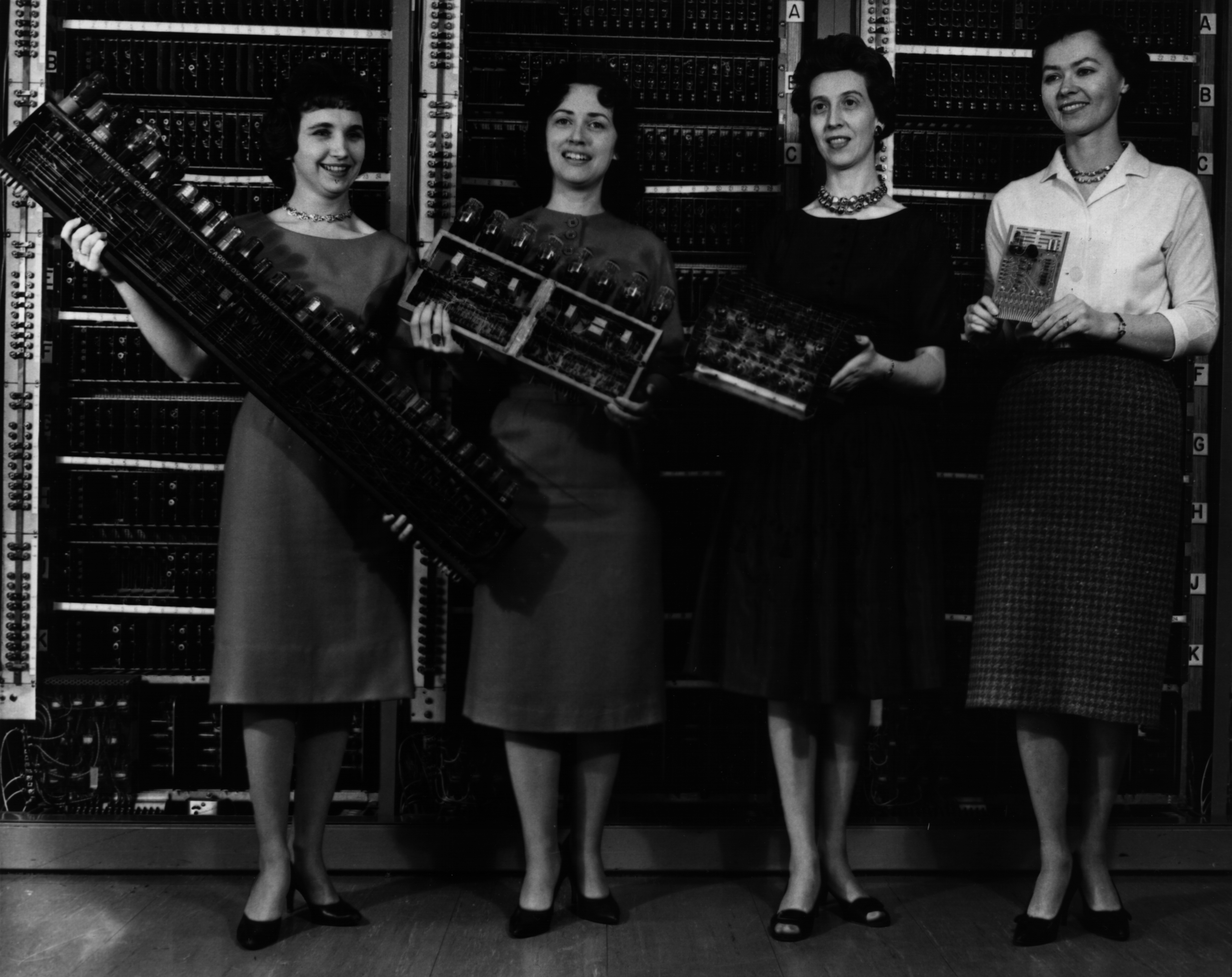
What was a computer in the 1940s?
Female computers doing numerical calculations by hand!
Patsy Simmers, Mrs. Gail Taylor, Mrs. Milly Beck, Mrs. Norma Stec
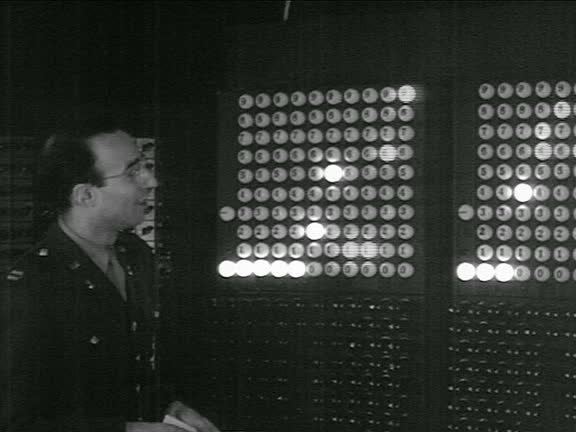
ENIAC 1945 demonstration
Trajectory of a shell in 20 sec, not 40 hours
Labeled ping pong balls showing the "memory"
Electronic brains
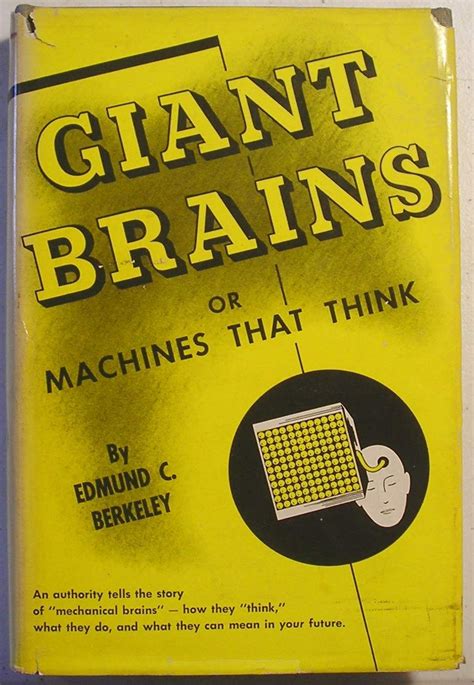
Popular imagination
- Anthropomorphic metaphor
- Portrayal in media
- Berkeley's 1949 book
Cybernetics movement
- Post-World War II movement
- Self-regulative control systems
- Electronic and biological alike
Collaboration
Hacker programming tricks
EDSAC computer (1949)
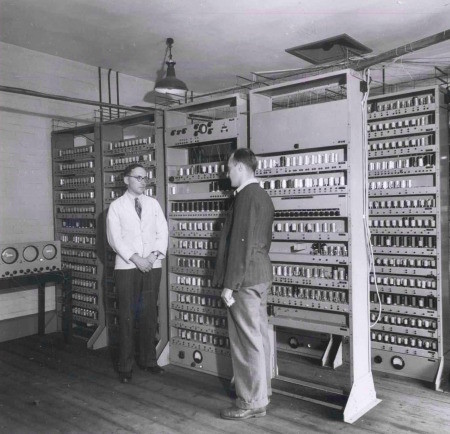
Initial orders
- Read program from the tape
- Support for sub-routines
External orders
- Non-standard codes
- Interpretive routines
Debugging tricks
- Step-by-step execution
- Postmortem tapes
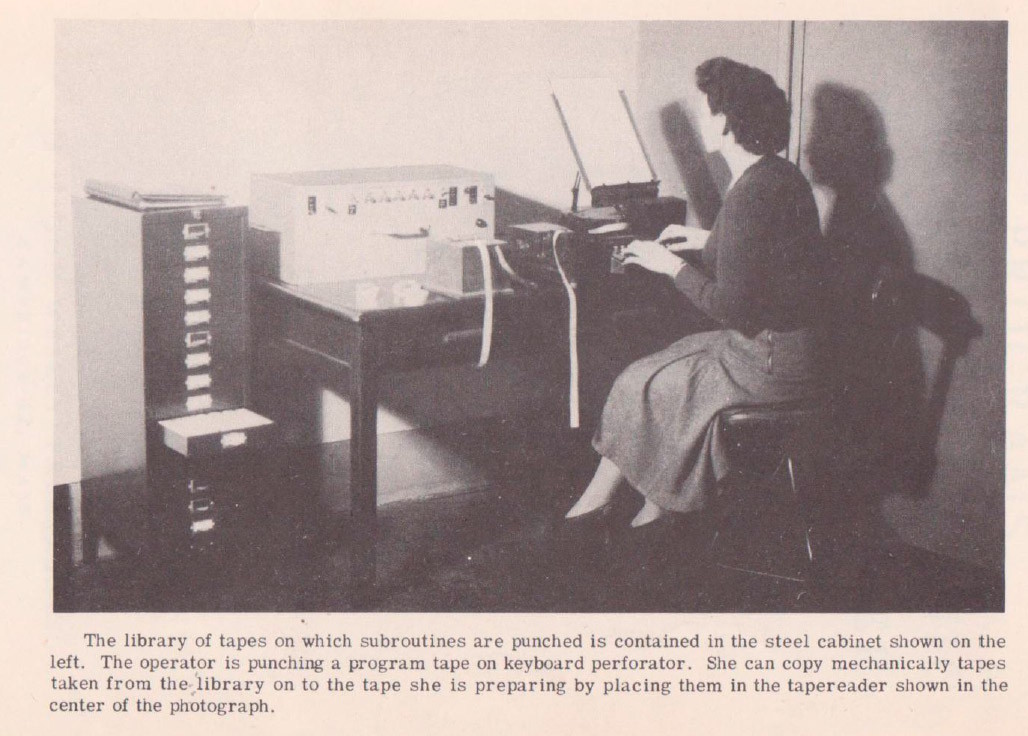
Sub-routine library
Open sub-routines
Copied at each point
Closed sub-routines
Using control transfer
Program coding
Before a language
- Brief Code - John Mauchly (BINAC, 1949)
- A-0 - Grace Hopper (UNIVAC, 1951-2)
- Autocode - Alick Glennie (Manchester, 1952)
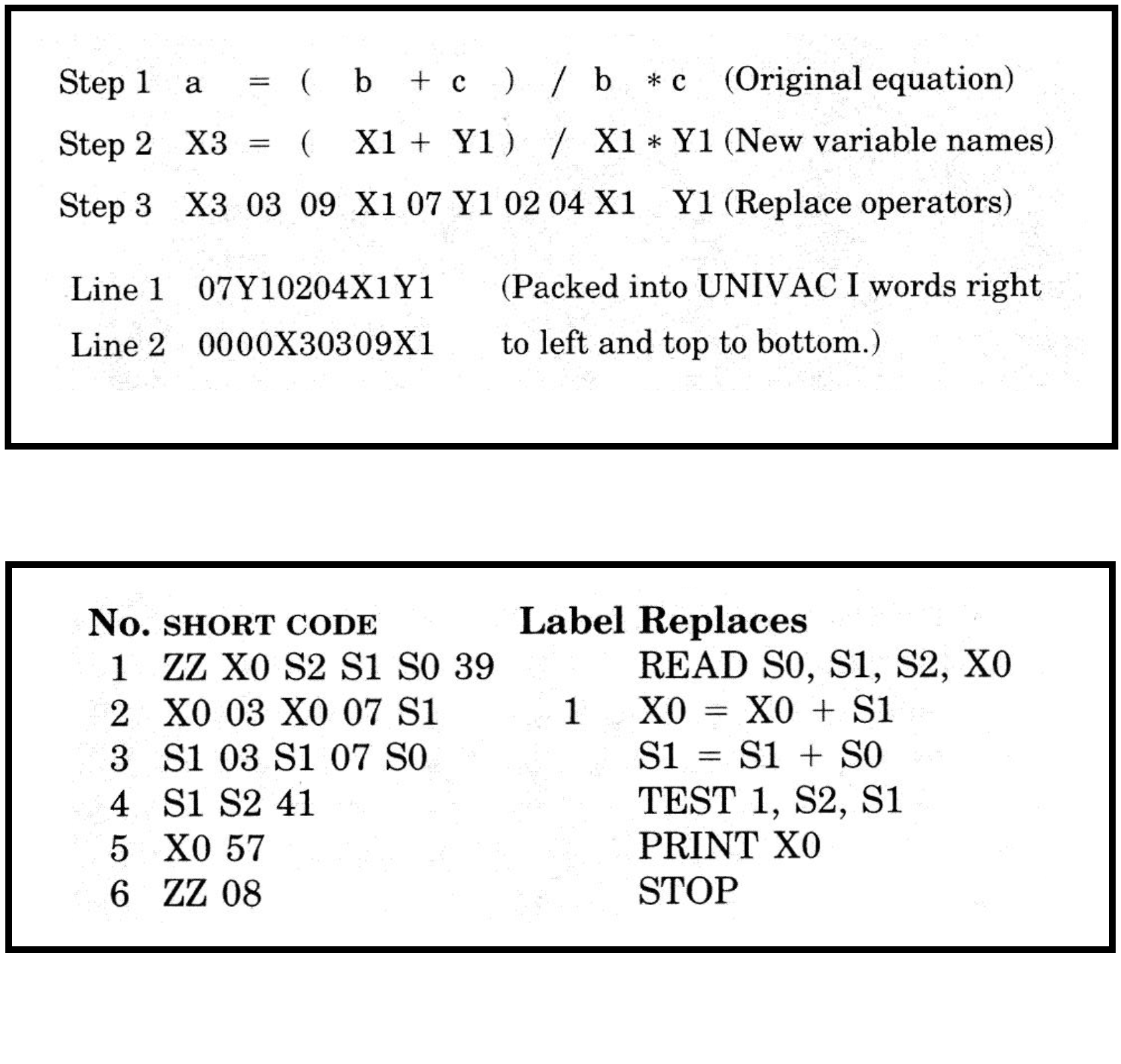
Brief Code /
Short Code
Step 2 to Step 3 translation done automatically
by an editor
Not exactly a
language yet...
Collaboration
Mathematical theories
Formal language
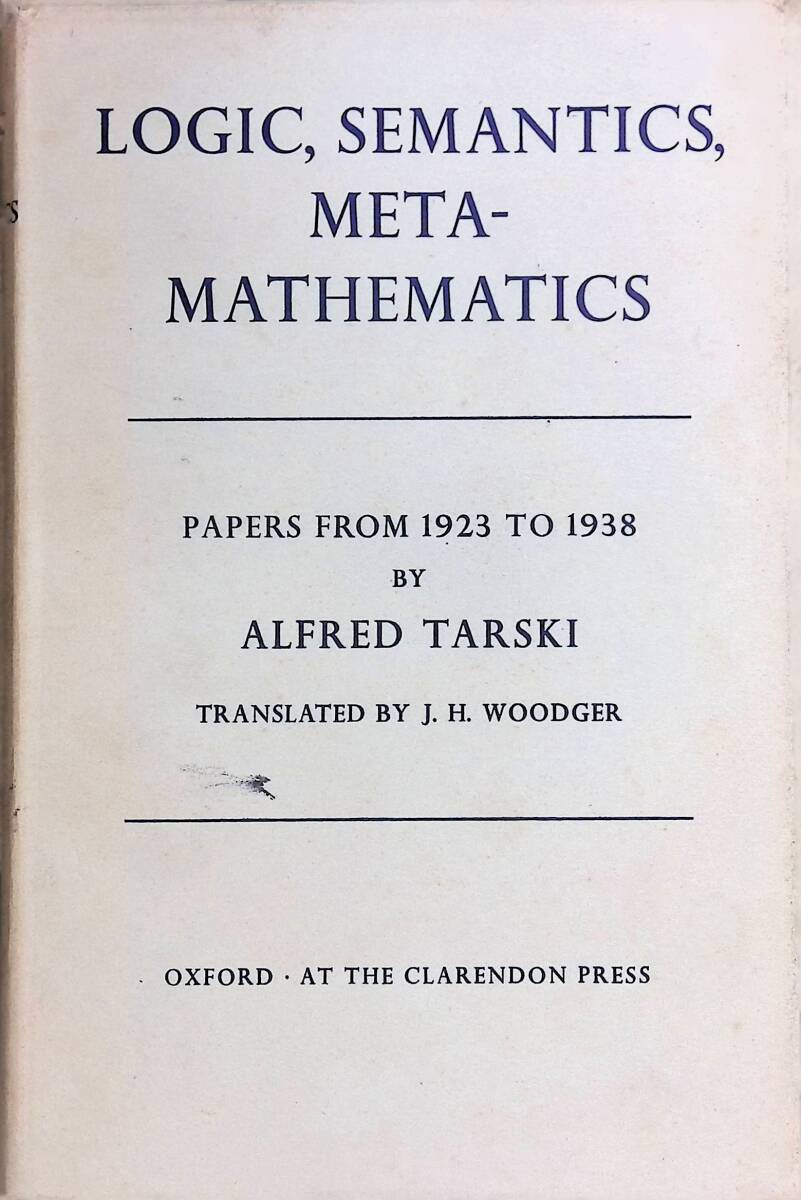
Language models in logic
- Tarski, Carnap, early 20th century
- Language starts with a set of symbols
Language models in linguistics
- Formal structural linguistics
- Ongoing research on machine translation
- Chomsky's grammars (late 1950s)
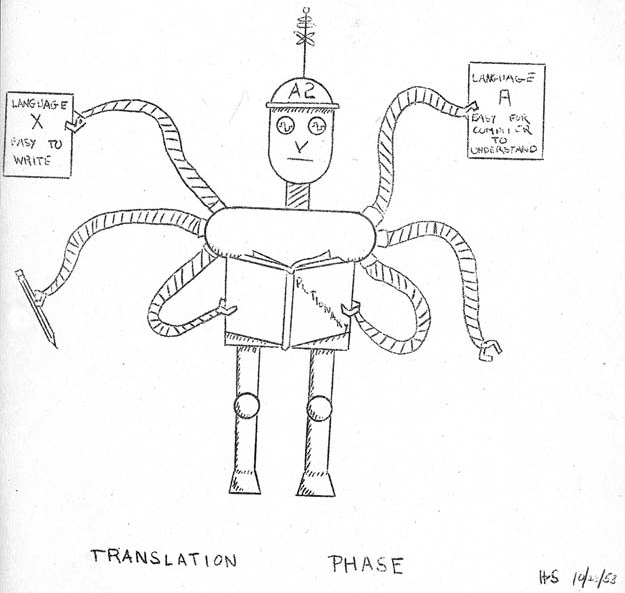
Translation metaphor
Hopper's illustration of the A-2 compiler (1954)
From giant electronic brains to logic and linguistics
Formal languages and grammars for description
Collaboration
Managerial need
Software gap
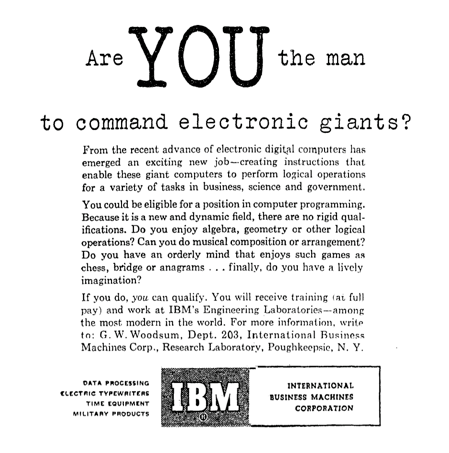
More software needed
- Industry crisis perception
-
Getting the computers
to do what we need!
Programming is the limit
- Creating software is hard
- Hiring programmers is hard
- Also, excluding women did not help!
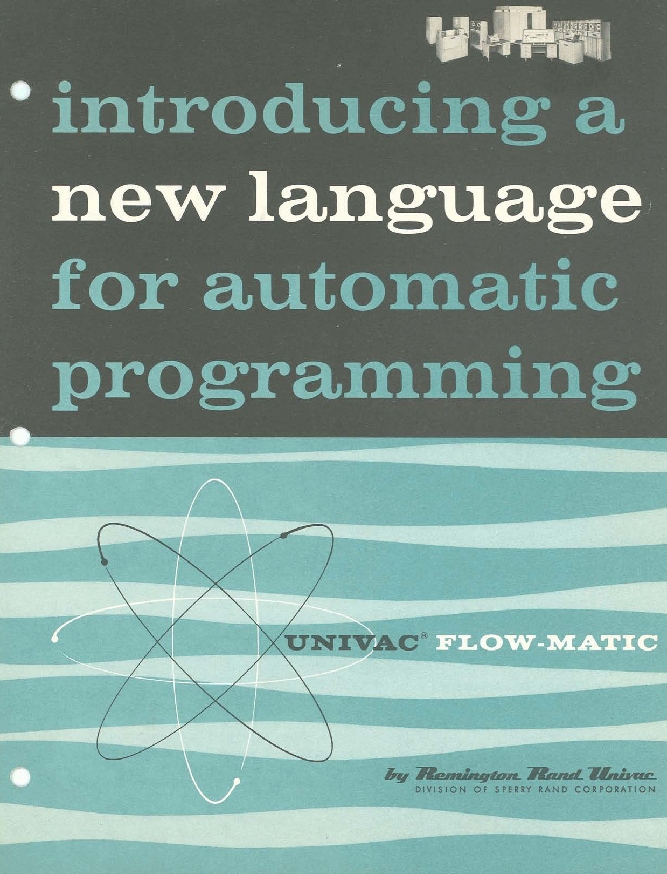
Automatic coding
User groups and computer installation managers
Solve the software gap!
Common universal notations
Cross-machine compatibility
Allow program exchange
Teaching at universities
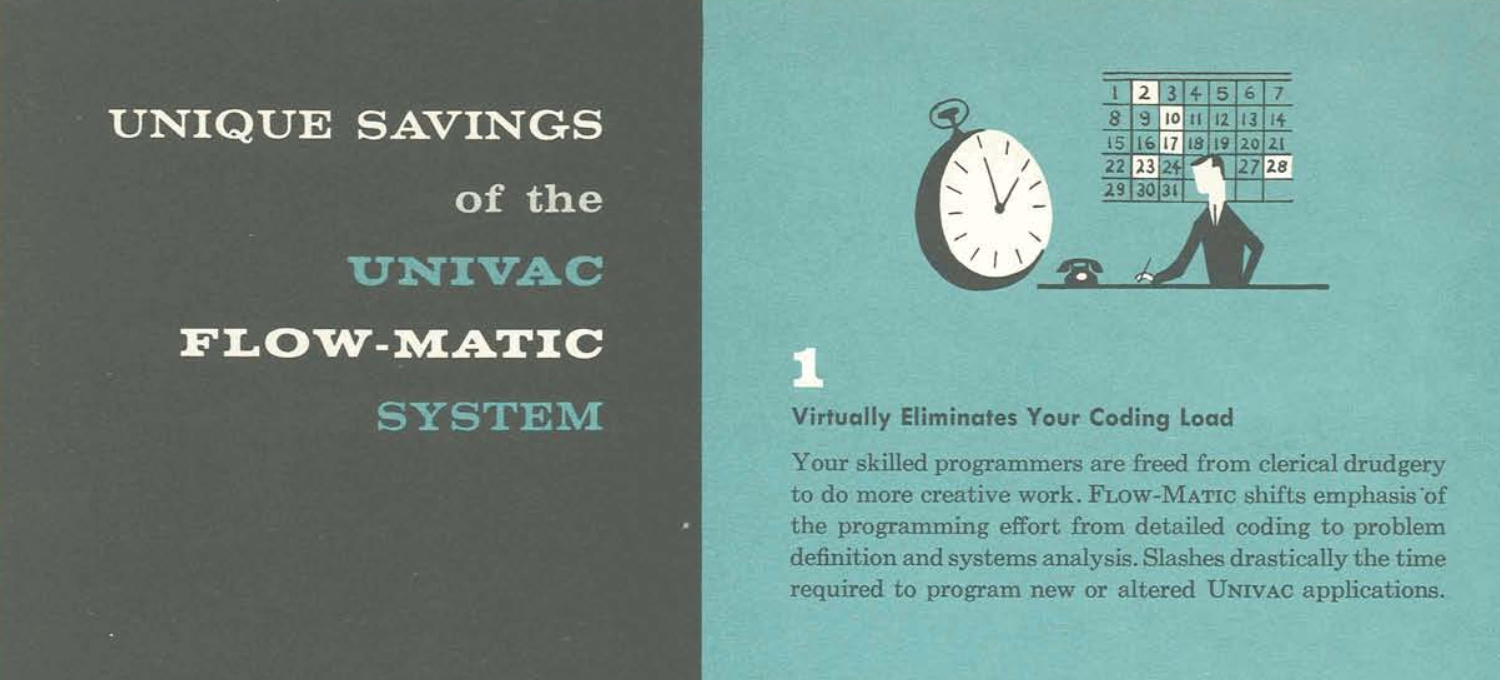
Would you guess the publication year (1957)?
Collaboration
Programming language
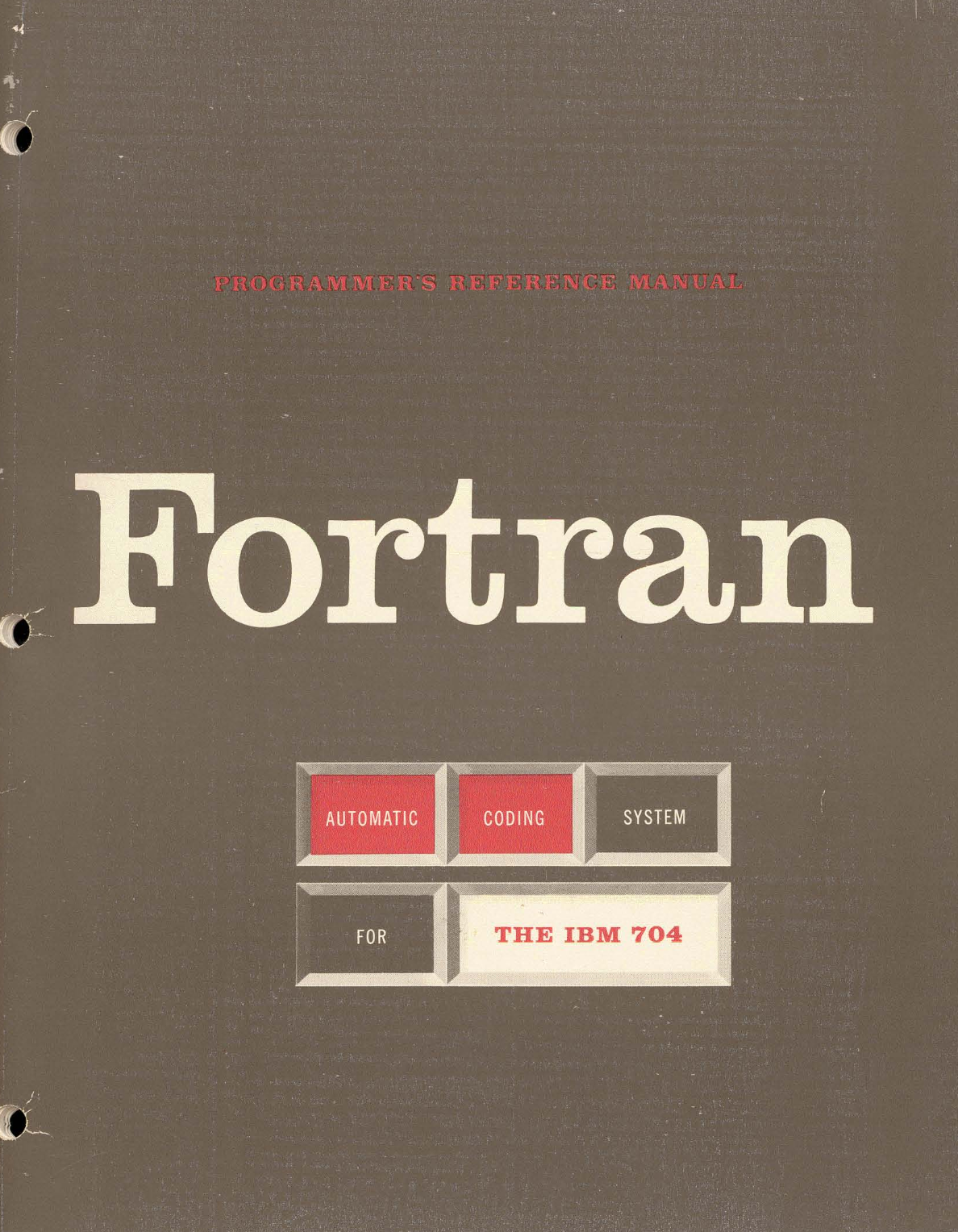
IBM FORTRAN
FORmula TRANslator
John Backus (IBM, 1957)
Translation metaphor, hacker tricks, managerial need
Not referred to as a programming language!
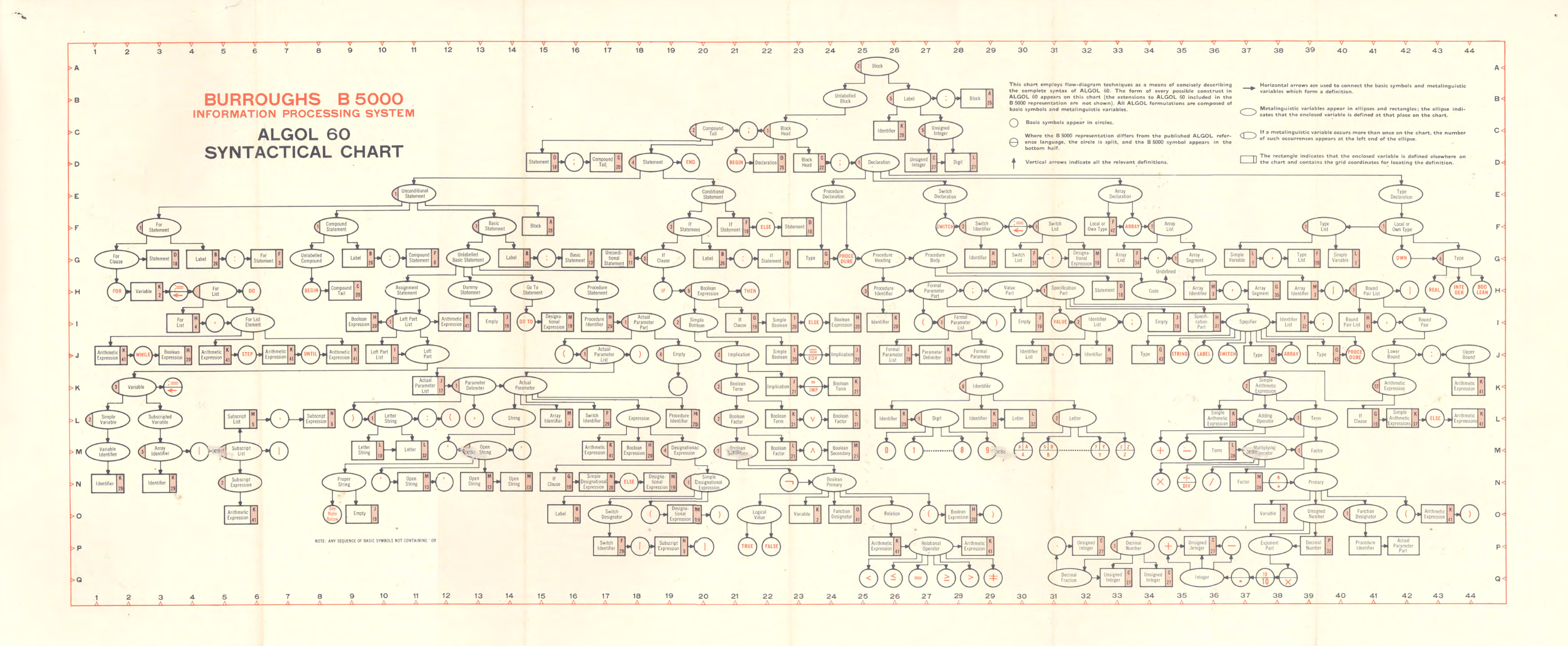
International Algebraic Language (IAL, 1958)
Algol - Algorithmic Language
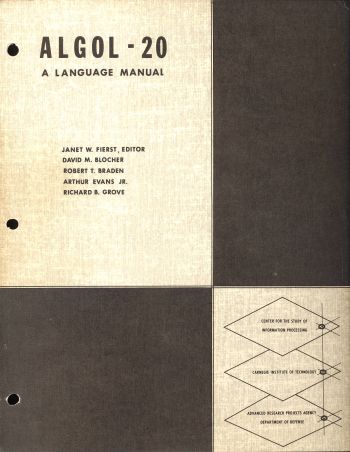
Scientific notation
- Extension of mathematical language
- Description of algorithms in publication
- Translatable into machine programs
Independent of a computer
A formal mathematical, linguistic object, not just a messy adjunct to the technical business of getting a computer to run.
Programming language
Remarkable new idea
-
Hacker culture
Implementation tricks, sub-routines, external codes -
Managerial culture
Needs to simplify programming and universal codes -
Mathematical culture
Formal description using language of logic
Limits of collaboration
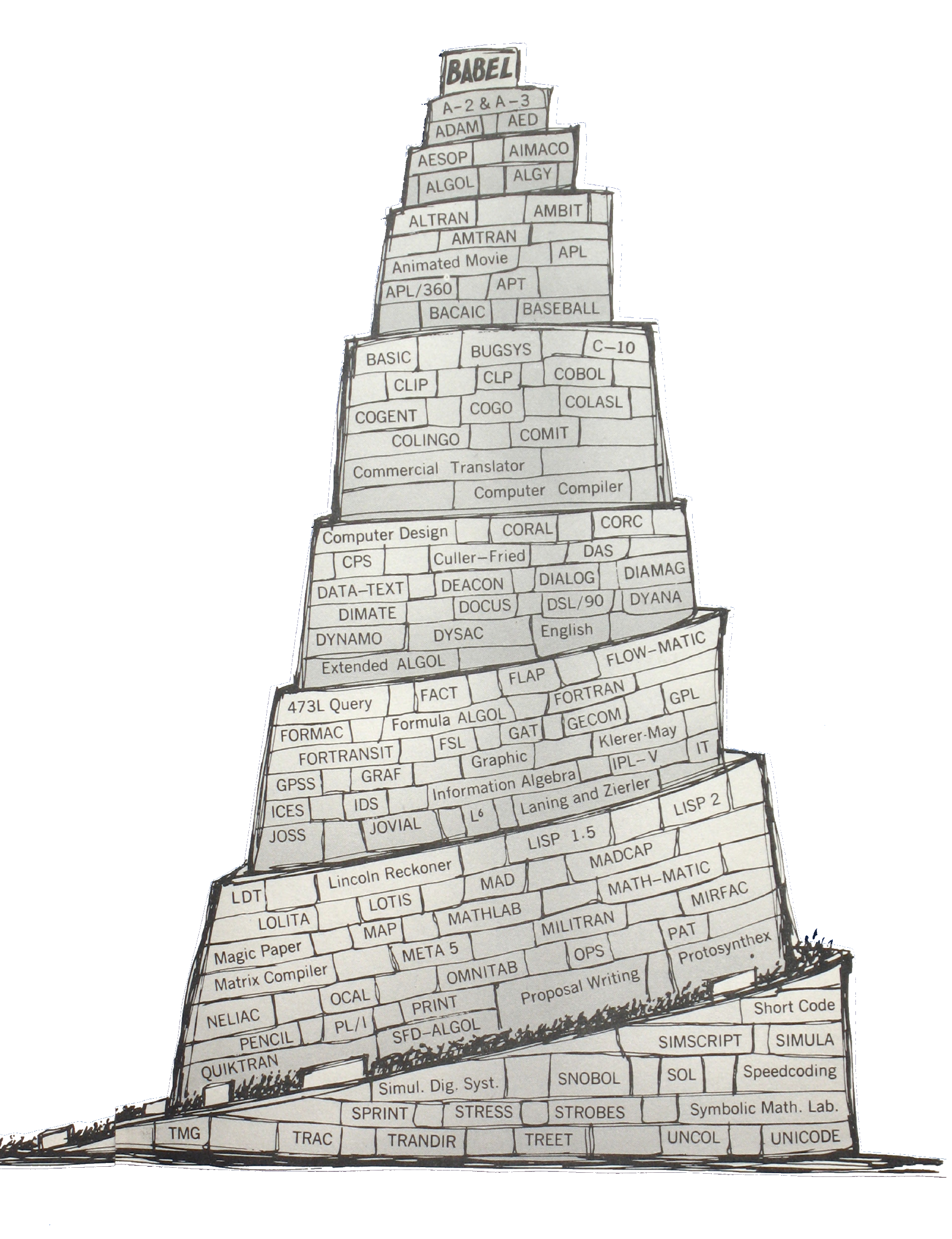
Meeting of cultures but...
- Algol for mathematical theory
- COBOL for managerial business use
- LISP for symbolic AI and hackers
Boundary object
- Shared understanding
- Exchange of ideas between cultures
- Failure of universal languages
Cultures of Programming
Home Continue to Part 4