Personal interactive programming
Cultures of Programming — Part 8
Tomas Petricek, Charles University, Prague

Xerox
Personal Dynamic Media
Personal computer for children of all ages
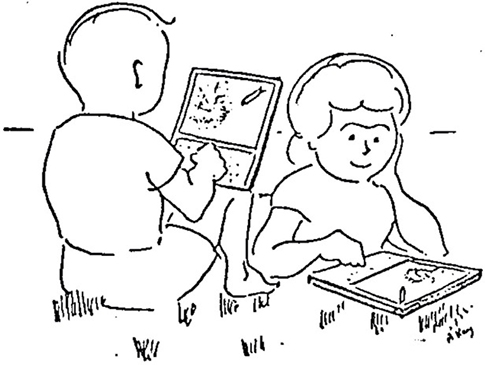
Alan Kay
- Member of the ARPA community
- Cites many humanistic influences
- Dynabook project at Xerox PARC
Humanistic vision
- Using a computer also means programming
- Looks like iPad but that's not it...
- Smalltalk as the medium for it
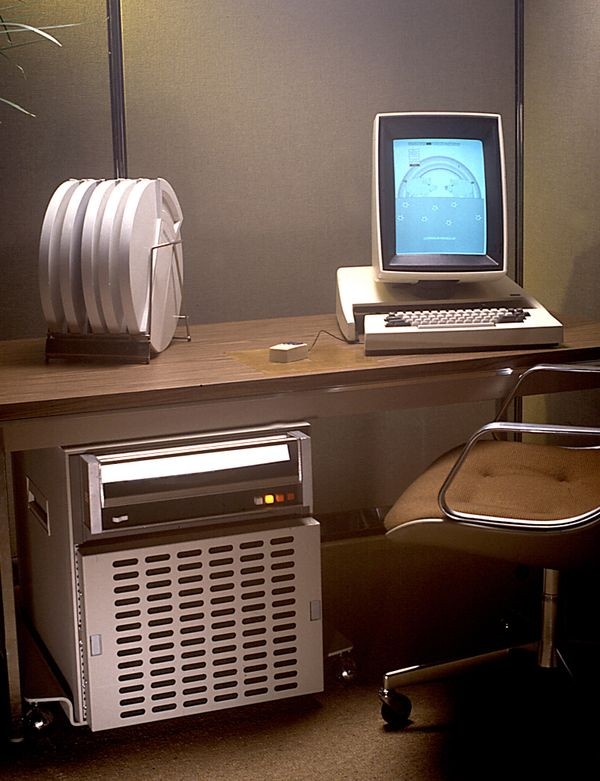
Xerox Alto
(aka Interim Dynabook)
Xerox blocked proposal
to buy PDP-10 for PARC
We'll build our own
Kay's vision meets Butler Lampson and Charles Thacker
Microcoded architecture
No central processing unit
Personal Dynamic Media
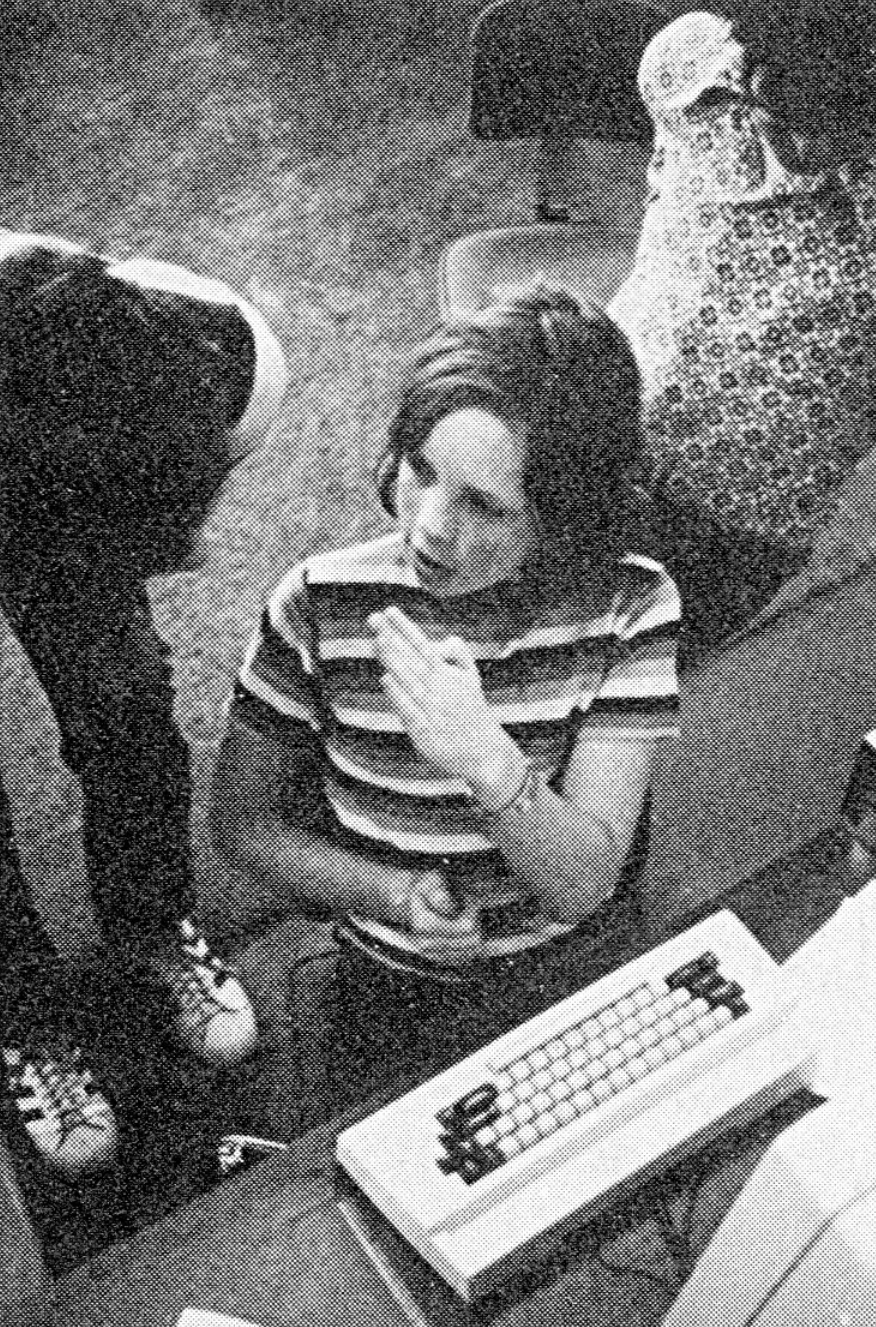
Kay and Goldberg (1977)
- Kids use water colors, color TV, etc.
- "Medium is the message"
- Smalltalk as mode of interaction
- Adaptable meta-medium
Meta-medium for communication
- Simulation system for a decision theorists
- Electronic circuit designer for a student
- Drawing & animation system for a child
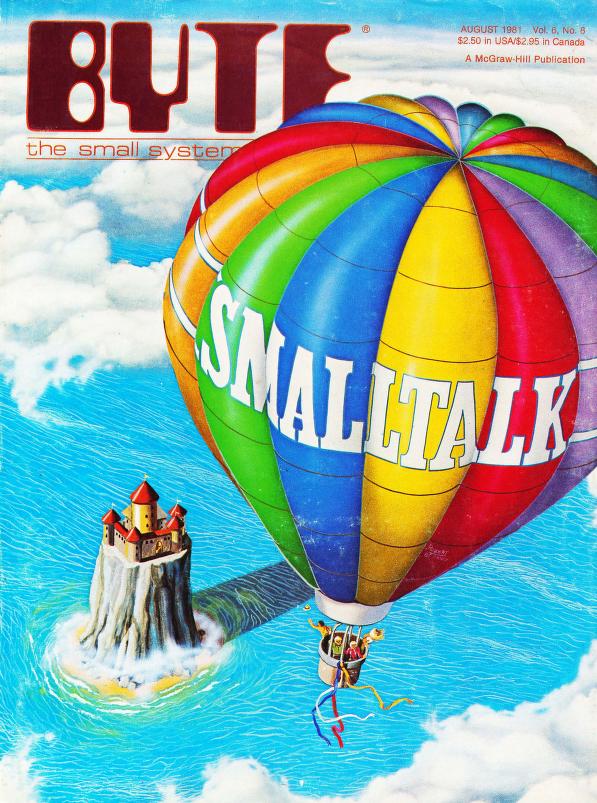
BYTE (1981)
Releasing Smalltalk
to the wider public
Conceptual shift
- Smalltalk design principles
- Object-oriented system
-
Progress from end user
to system developer
Let's burn our disk packs...
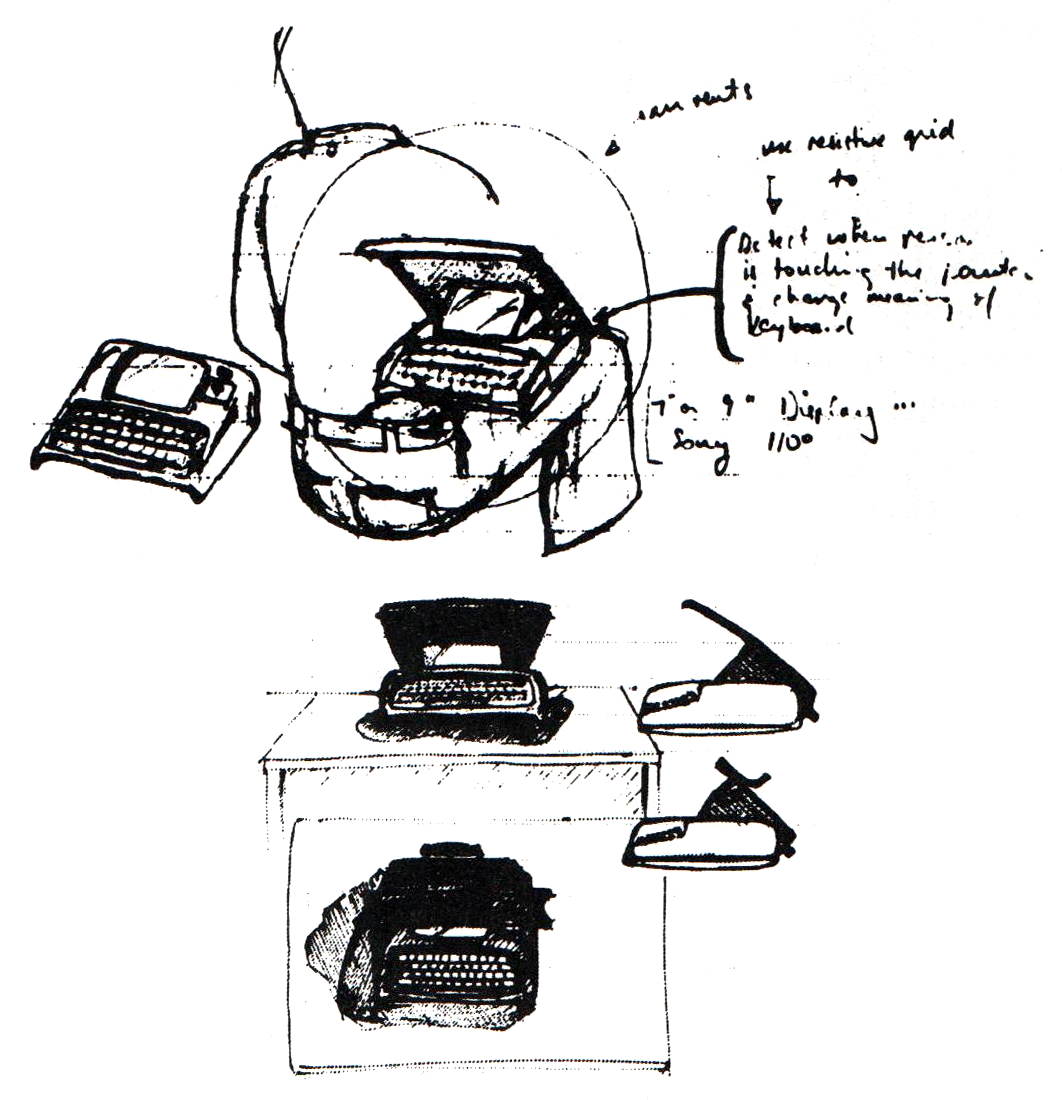
Group meeting in 1976
- "Dynabook for children" losing
- No organism can live in its own waste
- Vision needs a fresh start!
Two eras of Smalltalk
- Humanistic culture prior to 1976
- Engineering and hacker post 1976
- Kay continues working on Note Taker
Xerox
Research and business
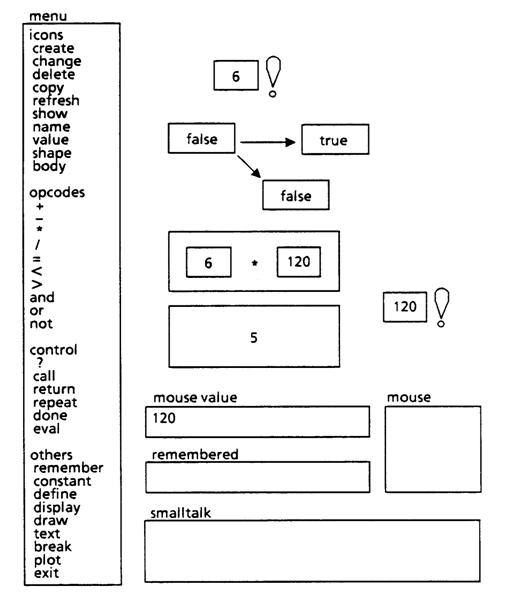
Pygmalion
(David C. Smith, 1975)
Largest Smalltalk-72 program ever written
Pioneered icons and programming by demonstration
Thesis with humanistic links
Art theory, cognitive science
Self programming system (1987)
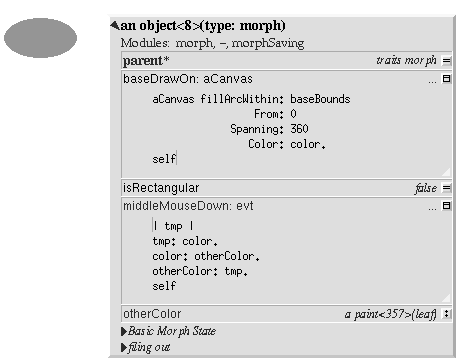
Pure evolution of Smalltalk
- Simple prototype-based OO
- Unify fields and variables
- Objects exist in space
Legacy of Self
- Mostly engineering results!
- Optimizing virtual machine
- Ideas adopted by V8 (in Chrome)
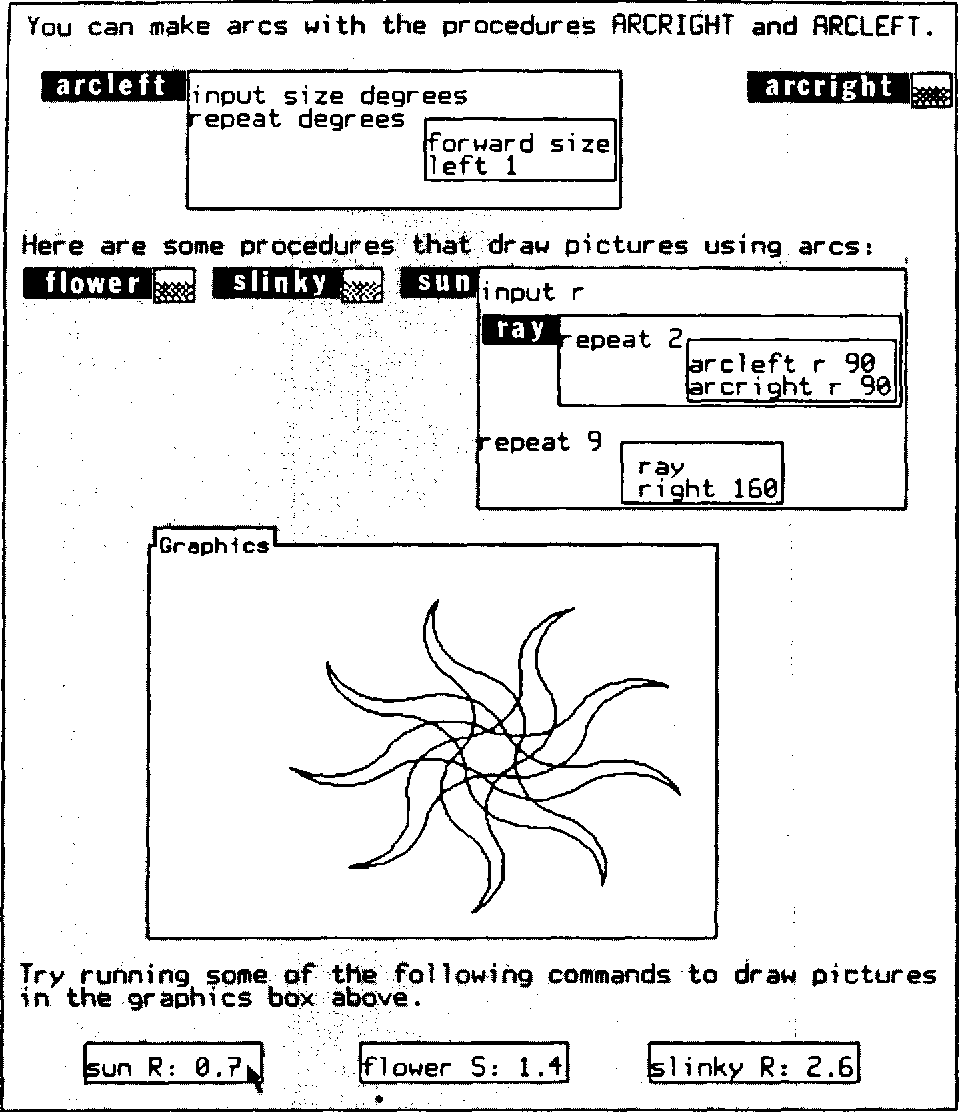
Boxer (diSessa, 1985)
Integrated computational environment for naive and inexperienced users
Interactive physics textbooks
Two design principles
- Spatial metaphor
- Naive realism
Educational humanistic focus
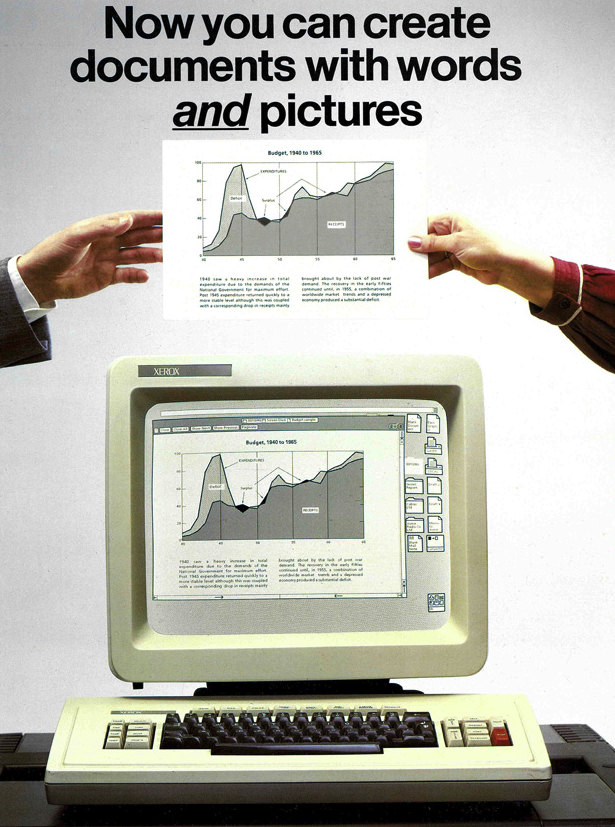
Xerox Star
Commercialising Xerox PARC "office of the future" vision
- Graphical interface of Smalltalk
- Icons of Pygmalion
- Documents rather than apps!
Commercial failure
Too expensive and too late?
Microcomputers
Programming for everyone
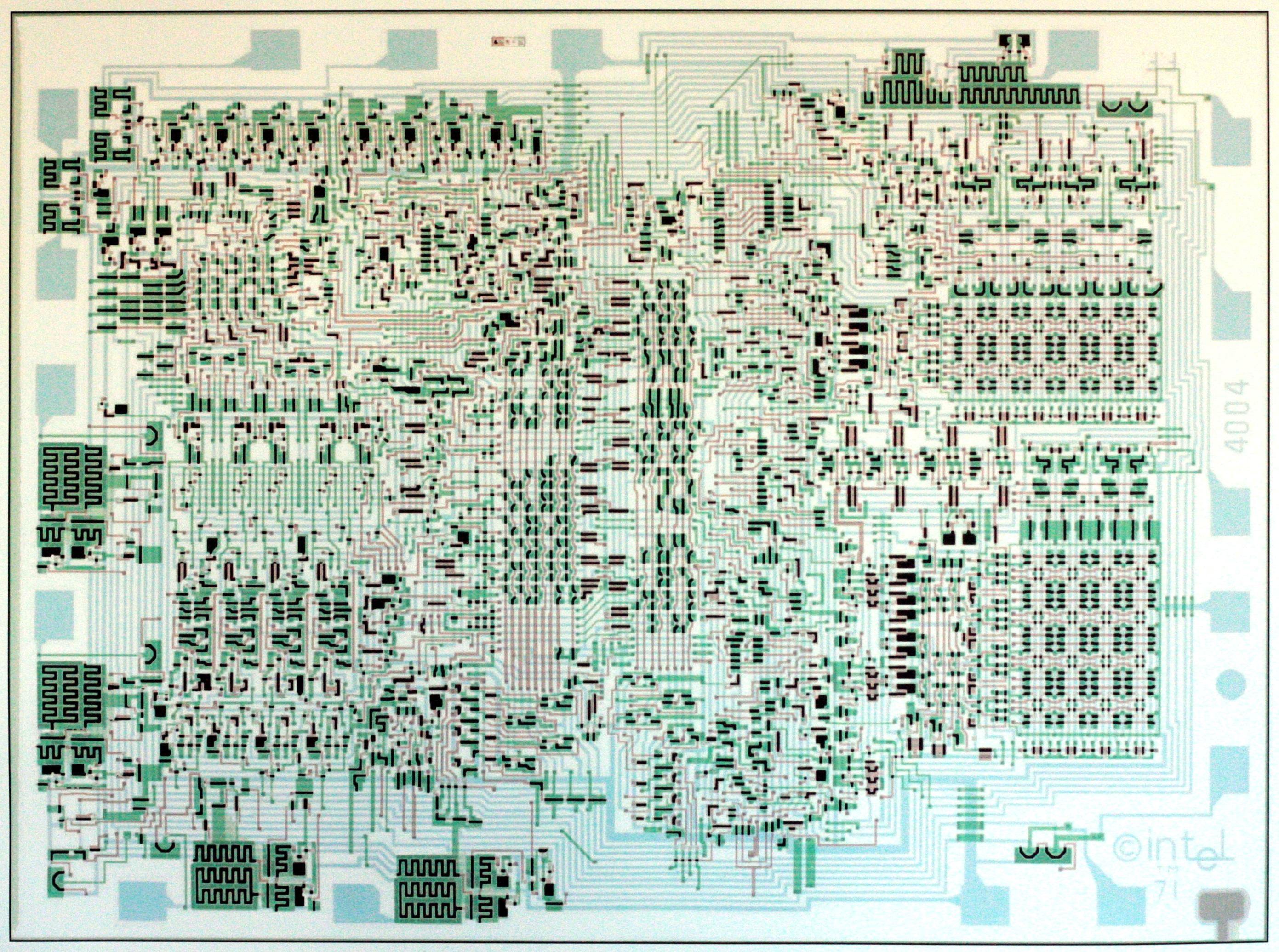
Intel 4004 (1971)
First microprocessor "computer on a chip"
"Calculator" compared with Xerox Alto!
Building a computer easier and cheaper
Altair 8800
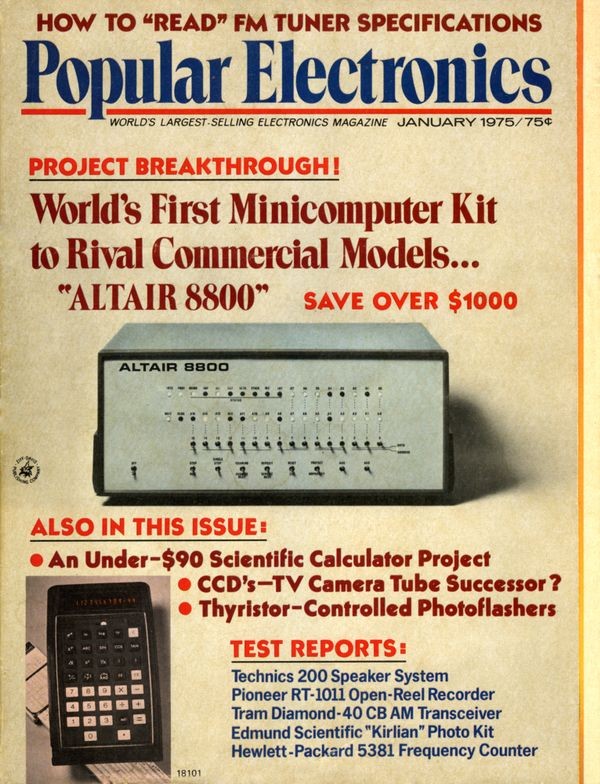
Computer for tinkerers
- Kit with 8-bit Intel 8008 CPU
- Available for $397 (~2k now)
Altair capabilities
- More like TX-0 than Alto!
- Switches to set memory values
- Extensible architecture for more!
- Affordable enough for fun
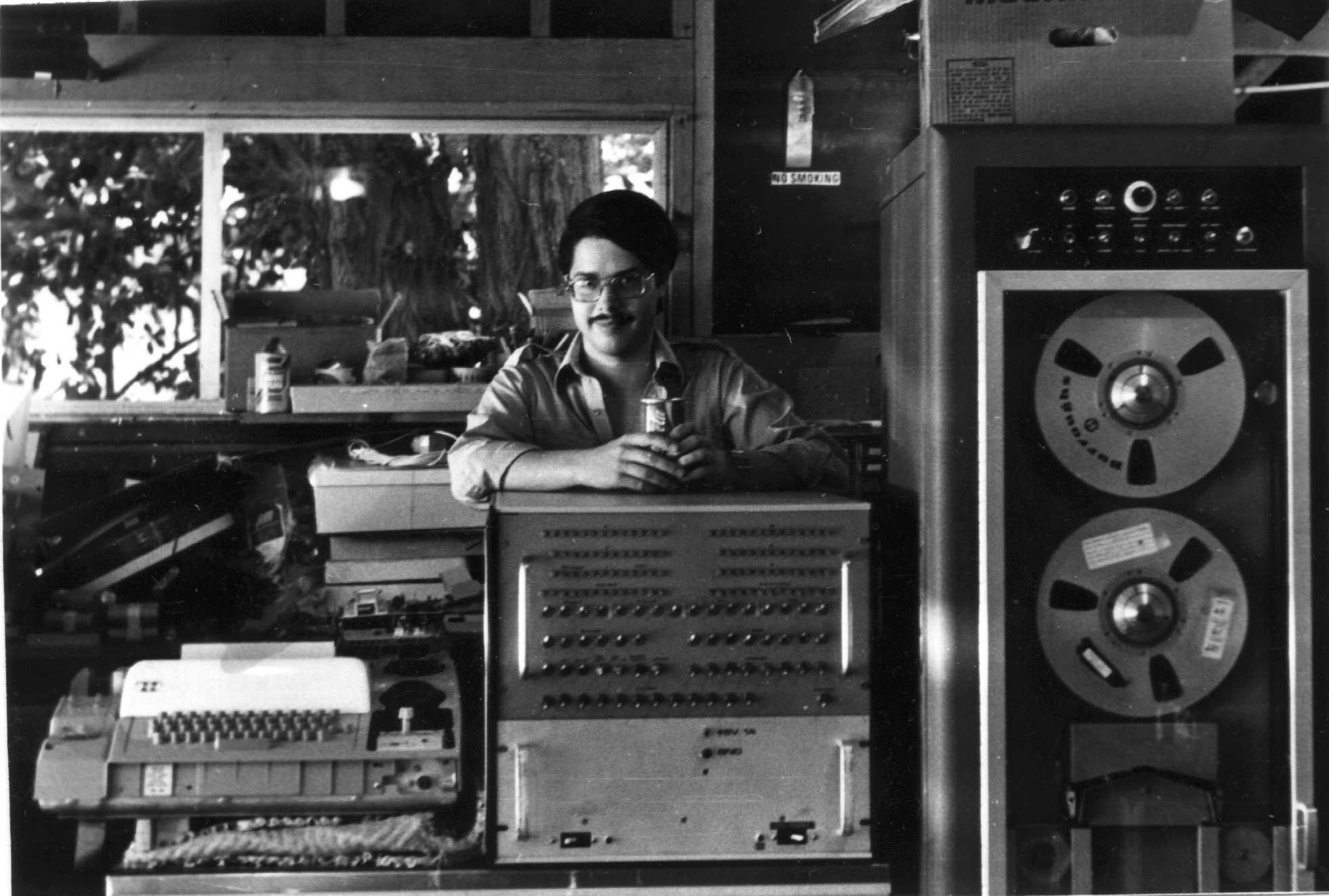
Homebrew Computer Club
(Menlo Park, 1975)
Do it yourself culture Kids with toys to Xerox
Hacker culture without direct links to MIT
Wozniak and Jobs found Apple Computers
Microcomputer "Trinity of 1977"
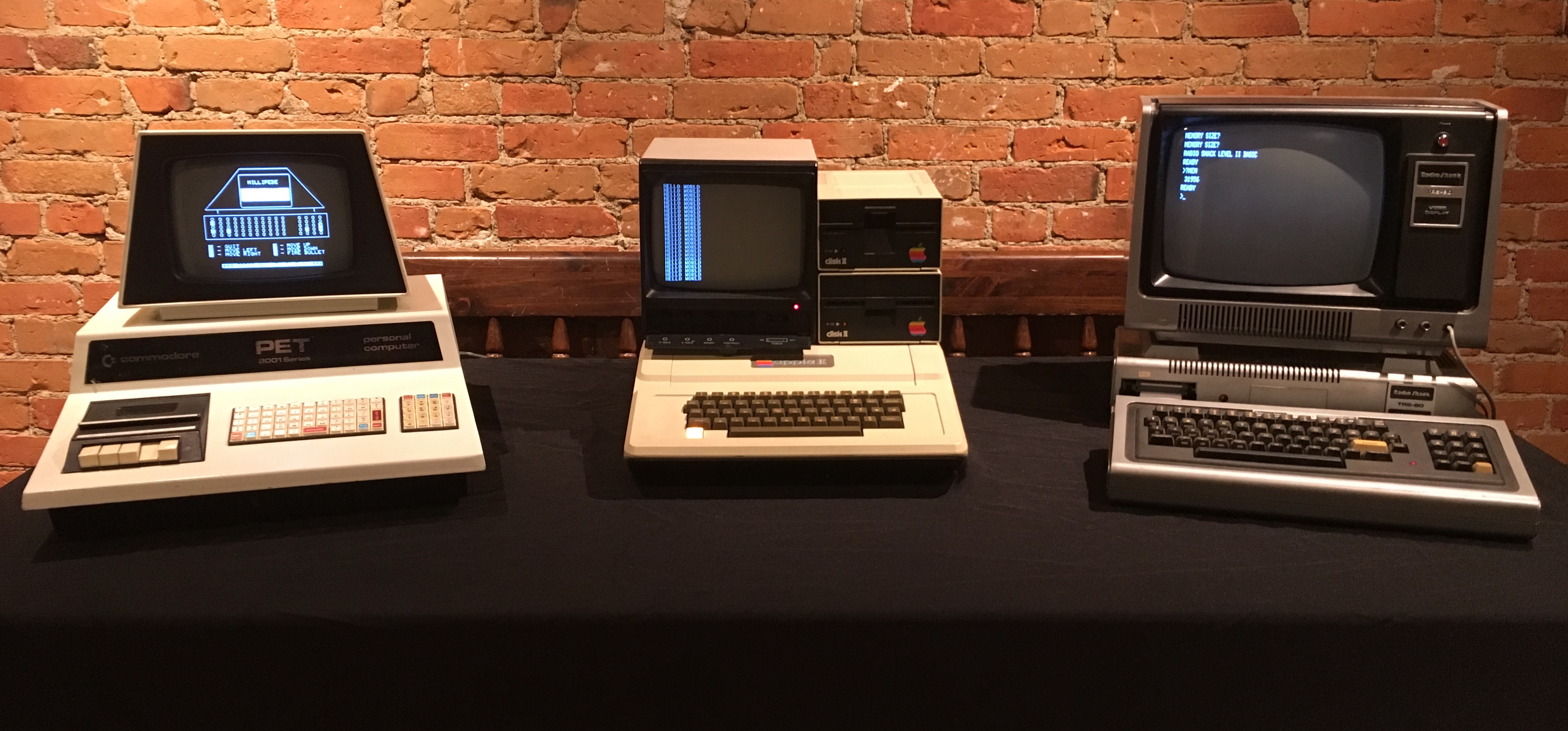
Make computers cheaply available to millions
Homebrew
The rise of BASIC
Beginner's All-purpose Symbolic Instruction Code
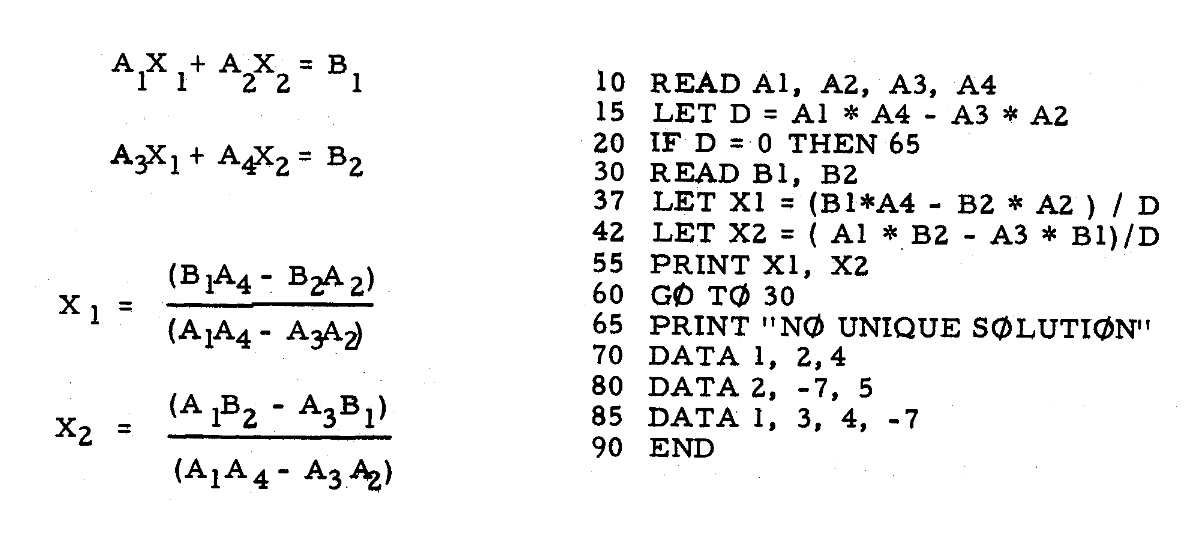
Dartmouth time-sharing
- Every student should use it!
- Writing numerical programs
- Easier to use than FORTRAN
BASIC on microcomputers
- Micro-Soft BASIC for Altair 8800
- Later
PEEK,POKEandSYSmakes it more powerful - More than a language...
BASIC as a language

Dijkstra (1975)
It is practically impossible to teach good programming to students that have had a prior exposure to BASIC: as potential programmers they are mentally mutilated beyond hope of regeneration.
Basic as a programming system
- Great fit for machines it ran on
- Enabled active learning culture
Timesharing BASIC
New Hampshire, Minnesota & Illinois
Dispersed diverse communities around education & games
Humanistic culture distinct from the Silicon Valley hackers
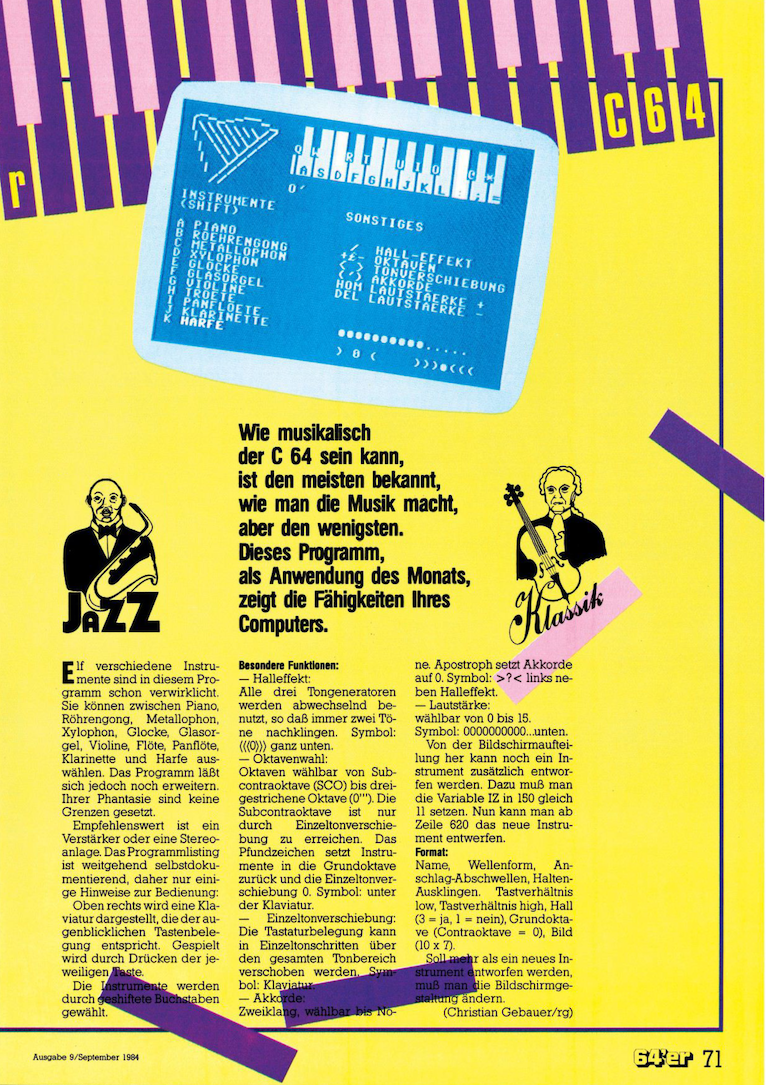
Hobbyist computing magazines
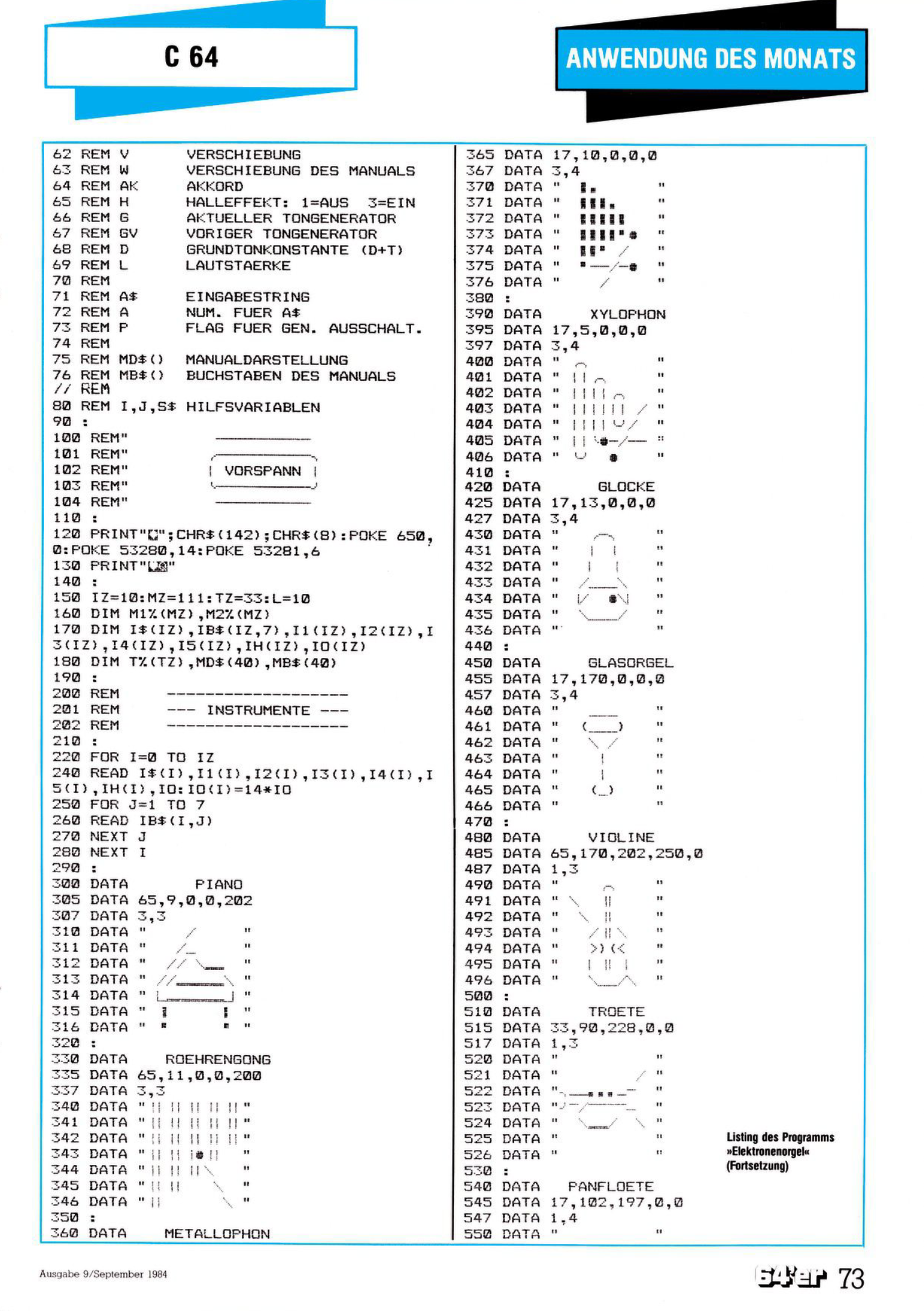
Microcomputers
Fulfilling the Dynabook dream
- Microcomputers boot into BASIC terminal
- Engagement with code encourages curiosity
- Simple language with escape hatches
- Progress from user to programmer
Struggle
Interactive programming
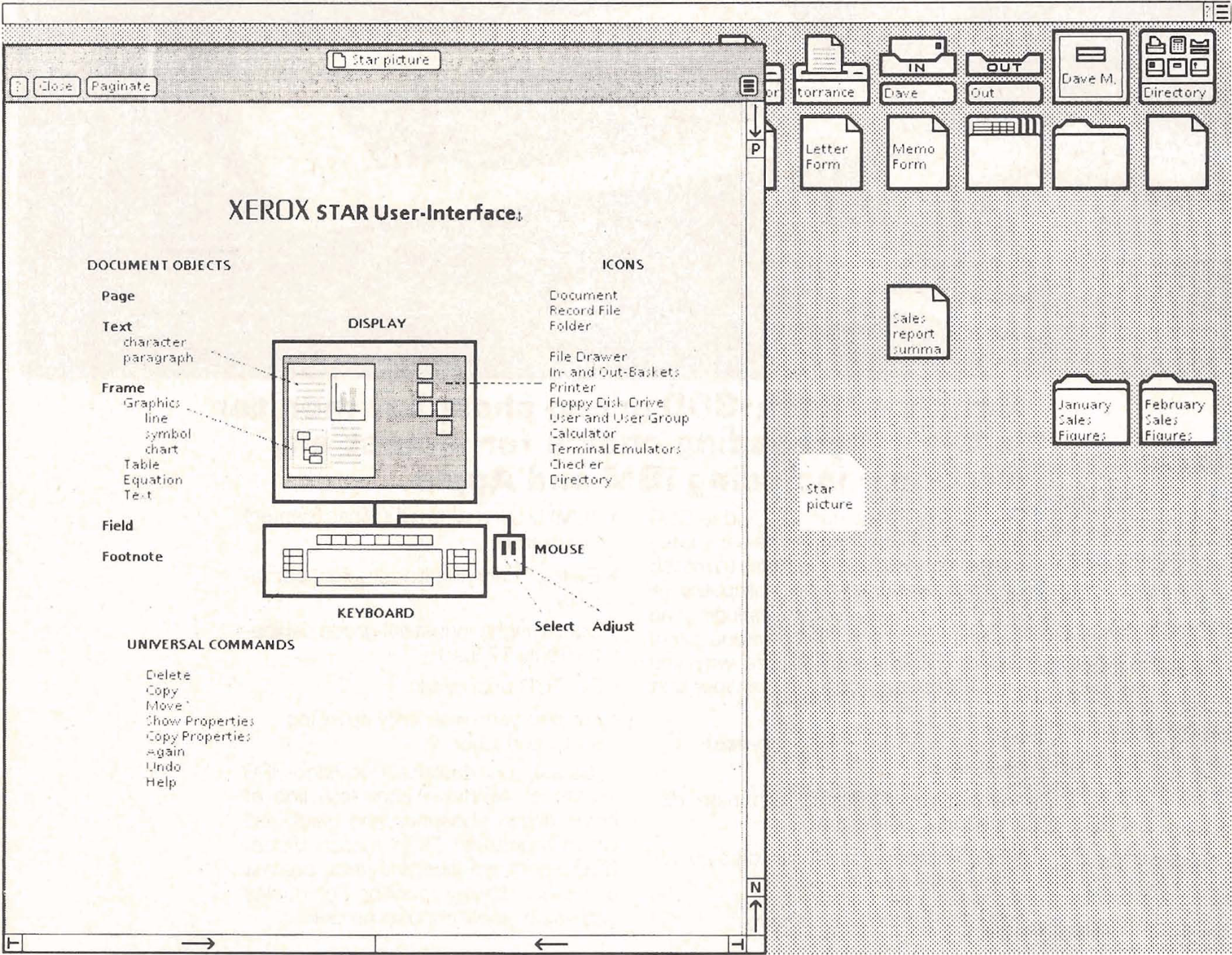
Commercialization of Xerox research
Interactive programming not desirable for office applications
Engineering and managerial culture
Too fragile, protecting intellectual property
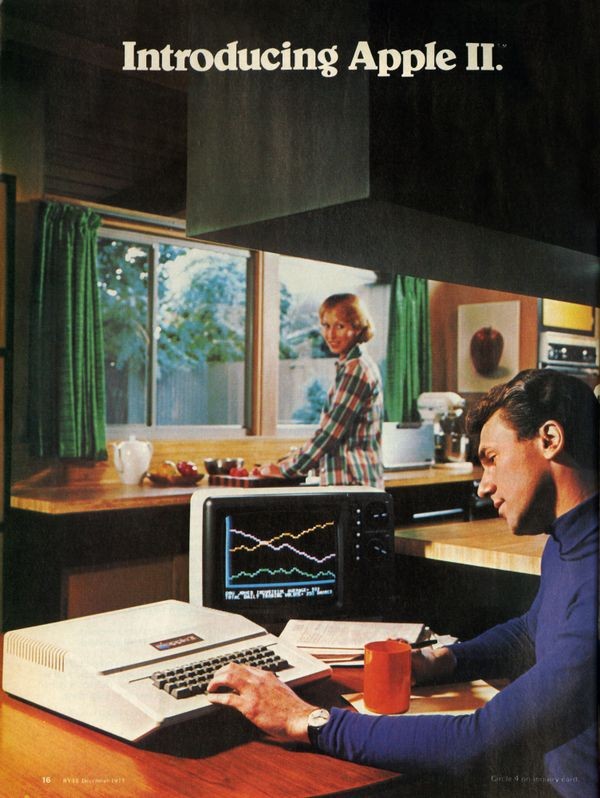
Commercialization
of microcomputers
Apple II increasingly bought for running existing apps
Called the VisiCalc machine by Wall Street traders
VisiCalc and Hypercard still visionary, but more narrow
Struggle
Computer generated music
The League of Automatic Music Composers
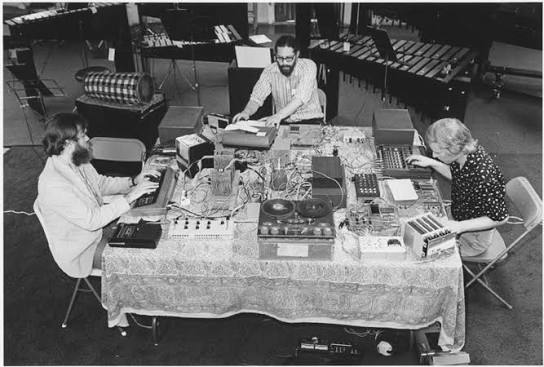
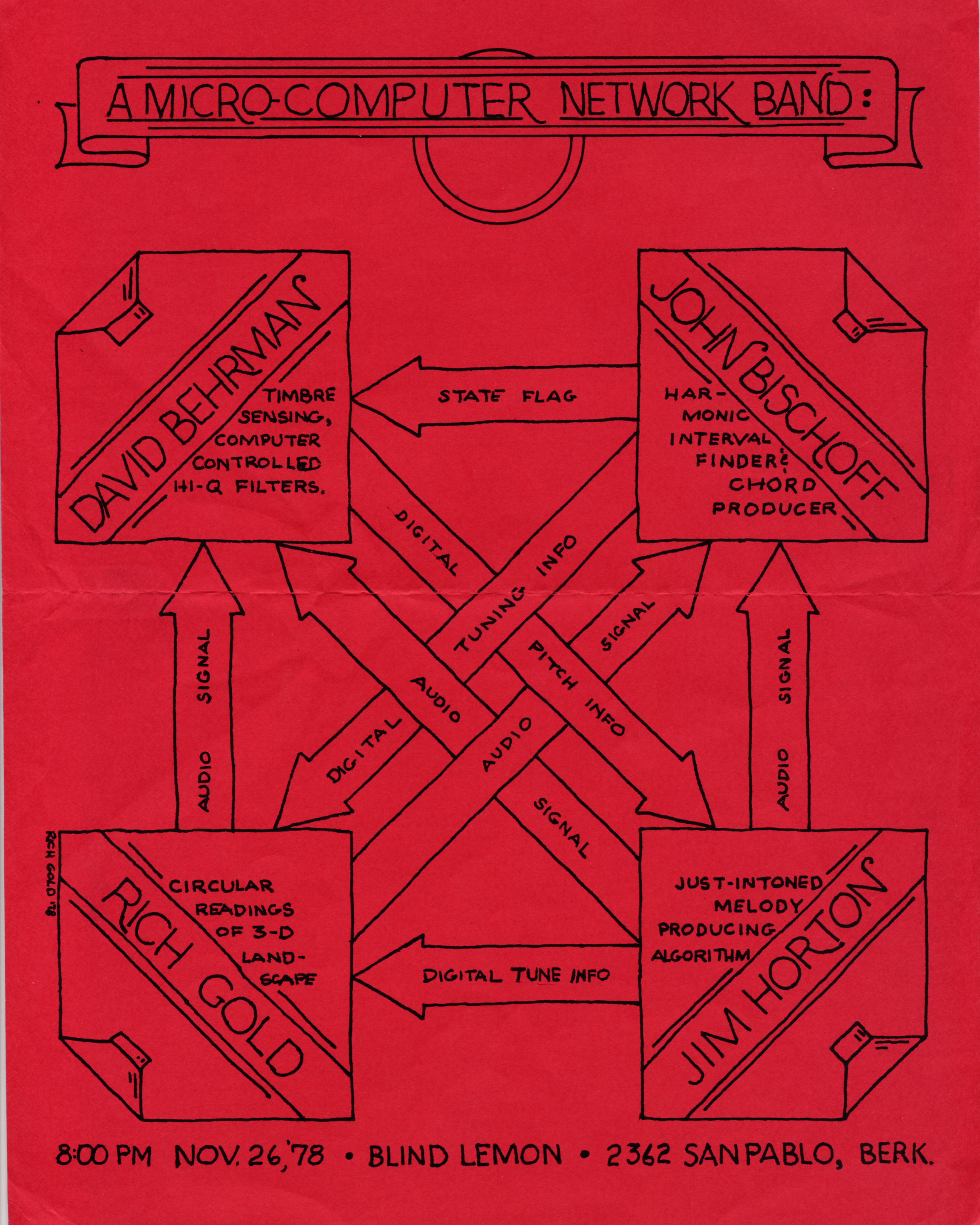
Using KIM-1 microcomputer (1978)
Network of microcomputers to synthesize music
Composition through unexpected interactions
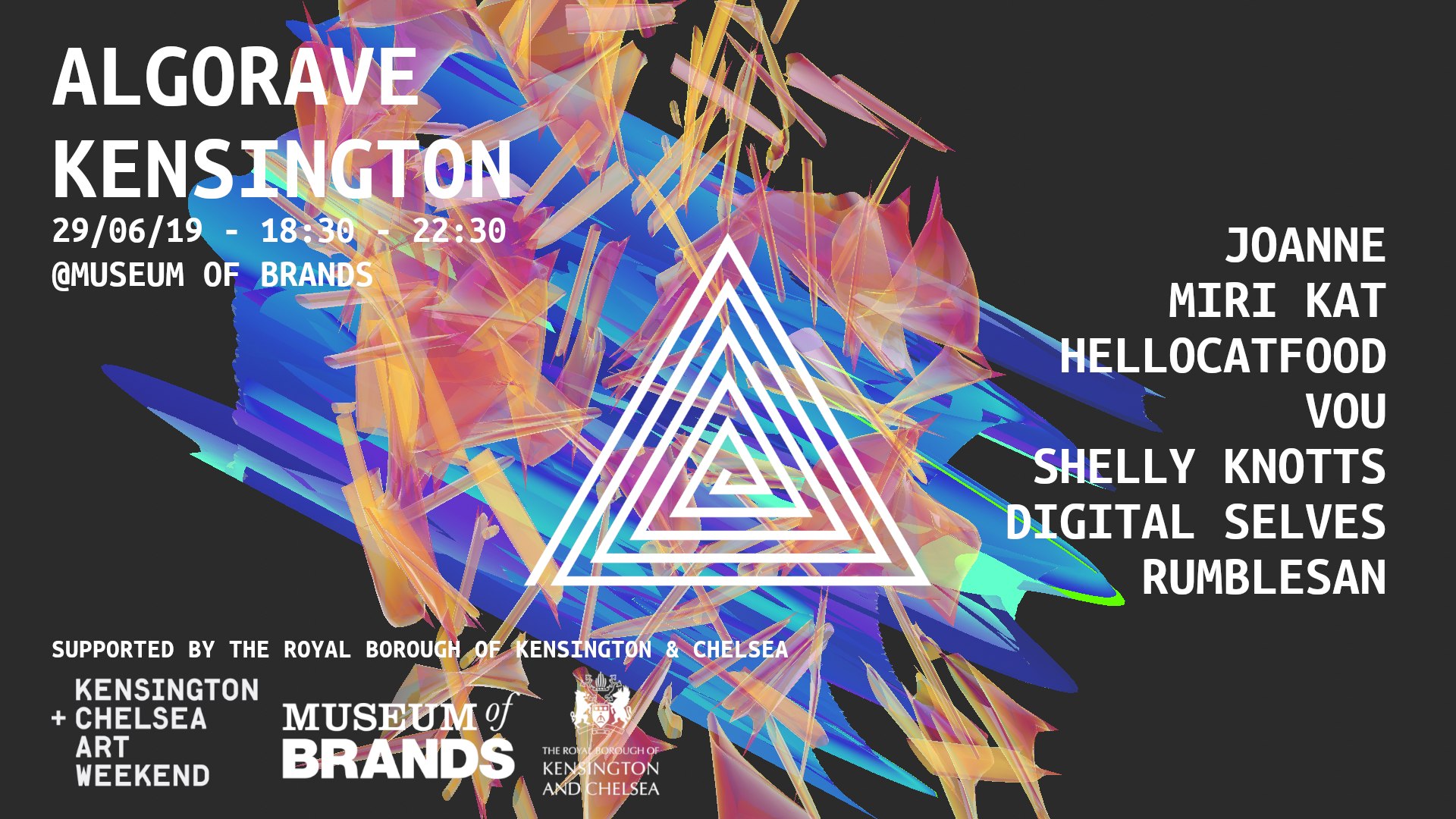
Live coding - TOPLAP manifesto (2004)
"Obscurantism is dangerous. Show us your screens"
Interactive programming
-
Innovation linked to new technologies
Interactive way of programming appears first -
Humanistic and hacker reasons
Empowerment for education and technical reasons -
Engineers and managers kill it?
Intellectual property, reliability, predictability -
Reinvented across many disciplines
From TX-0 to microcomputers and live coding
Cultures of Programming
Home Continue to Part 9