NPRG086: Functions, trees, processes
Course introduction
Tomáš Petříček, 204 (2nd floor)
petricek@d3s.mff.cuni.cz
@tomasp.net
https://tomasp.net

Who are we
David Corfield
philosophy of mathematics
Jaroslav Nesetril
discrete mathematics
Tomas Petricek
programming languages
Computer science concepts
Philosophy
Computer science concepts
- Where do they come from?
- How do they change over time?
- Do we agree what they mean?
- How they cross disciplines?
Philosophy of mathematics and physics
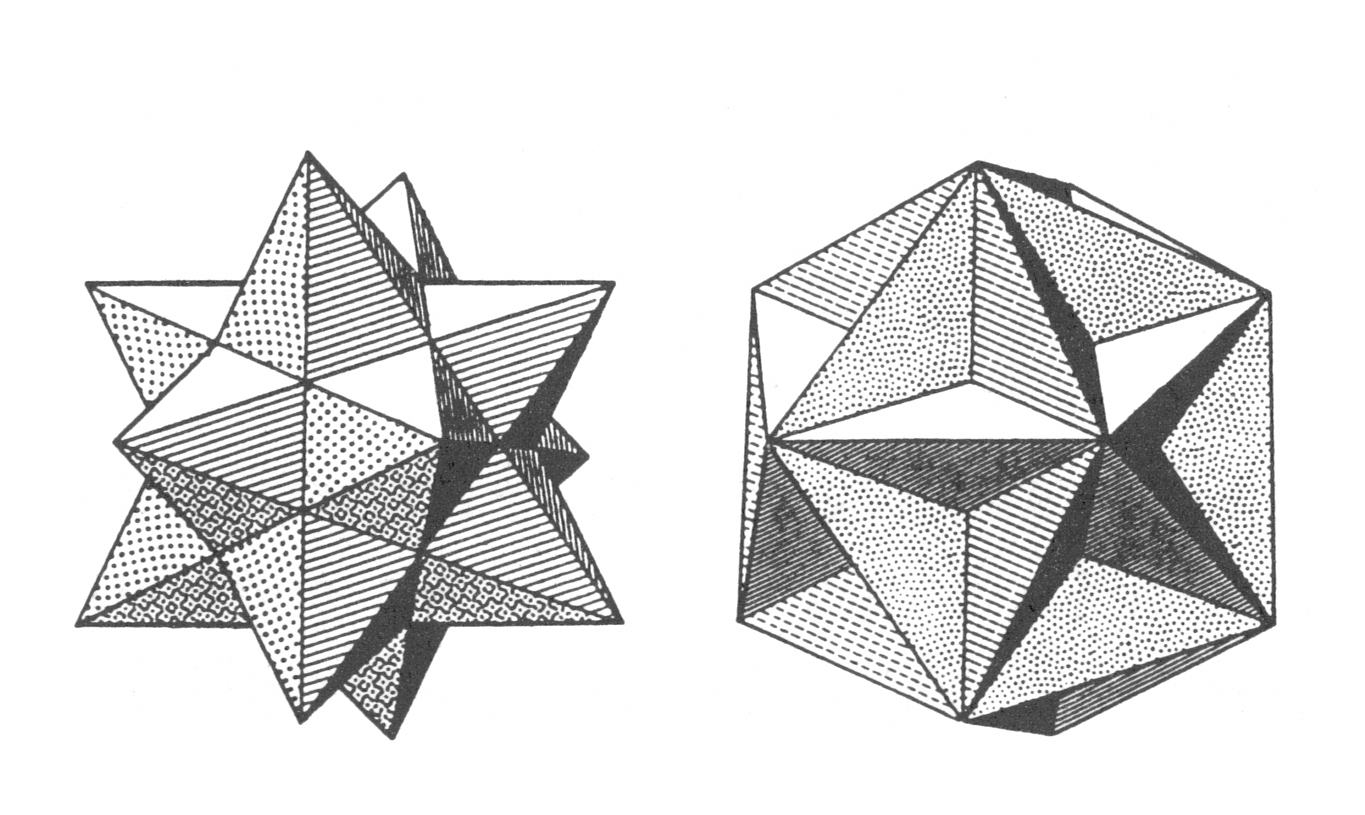
Mathematics
- Polyhedra (\(E = V + F - 2\))
- Functions (non-differentiable)
- Groups (monster group)
Physics
- Phlogiston (fire-like element)
- Electrons (can spray them)
- Temperature (and measurement)
Why three people
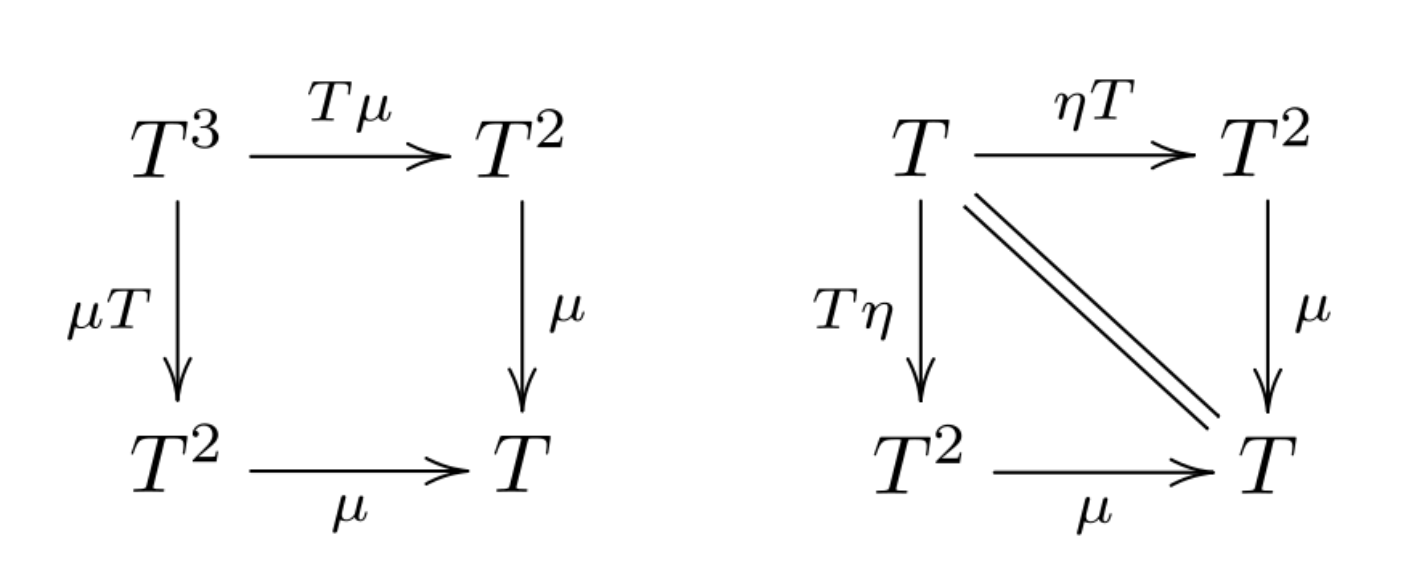
Monad
- Originates in category theory
- Used in formal semantics
- Implemented in Haskell and C#
Tree
- Minimum spanning tree
- B-tree in databases and file systems
- Decision trees in machine learning
Course
Practical info
Course timeline (1/2)
Winter semester - Oct, Nov (NPRG086)
- Week 1 (1 Oct) - Introduction
Week 2 (8 Oct) - Cancelled due to travel- Week 3 (15 Oct) - Functions in mathematics (DC)
- Week 4 (22 Oct) - Functions in early days of programming (TP)
- Week 5 (29 Oct) - Functions and constructivism (DC)
- Week 6 (5 Nov) - Functional programming (TP)
- Week 7 (12 Nov) - Monads and their origins (DC)
- Week 8 (19 Nov) - Monads in functional programming (TP)
- Week 9 (26 Nov) - Monads, continuations, constructivism (DC)
Please note that the plan is subject to change!
Course timeline (2/2)
Winter semester - Dec, Jan (NPRG086)
- Week 10 (3 Dec) - Trees as a programming construct (TP)
- Week 11 (10 Dec) - Trees and their origins (JN)
- Week 12 (17 Dec) - Trees in discrete mathematics (JN)
- Week 13 (7 Jan) - Trees in discrete mathematics (JN)
Summer semester (NPRG087)
- Continue by looking at more entities
- Objects - in philosophy, object-oriented languages
- Types - from foundations of mathematics to programming
- Processes - operating systems, formal models and biology
- Others - Graphs, Matrices, Quaternions, ???
How to get credits
The exam can be completed either as an oral exam covering topics discussed during the given semester, or as an individual project on a topic agreed with the instructors.
Individual project
- Look at a concept or entity of your own choice!
- Look at a perspective that we've missed!
- Talk to us to discuss practical arrangements
- Write about it or present your findings
Talk to us to discuss ideas!
Background
History of computing
Histories of programming
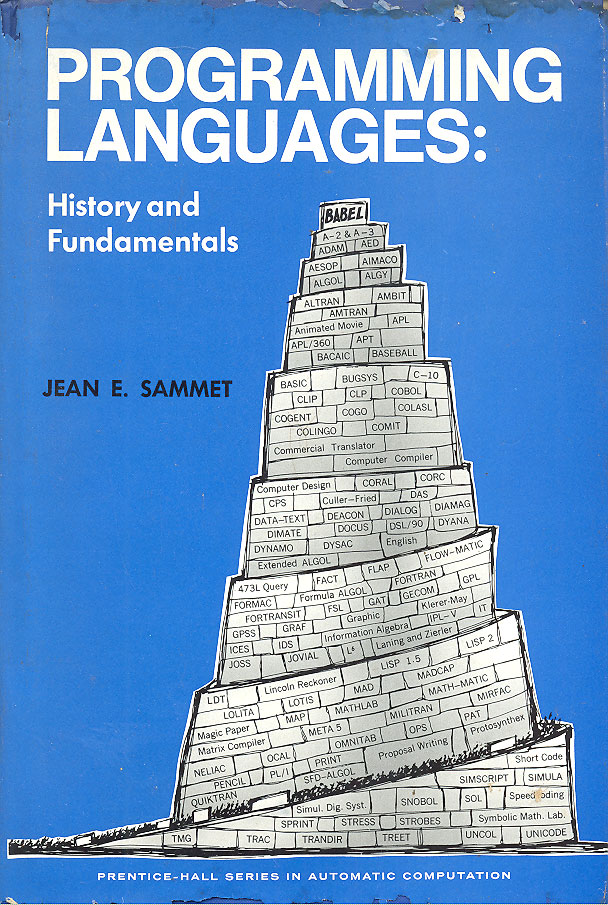
First hand accounts
- Framing and own history
- ACM HOPL, talks and blogs
History of science
- History from technical perspective
- Each claim needs hard evidence!
Technology and society
- Broader socio-technical issues
- Archives, letters, oral interviews
Science, technology, society (STS)
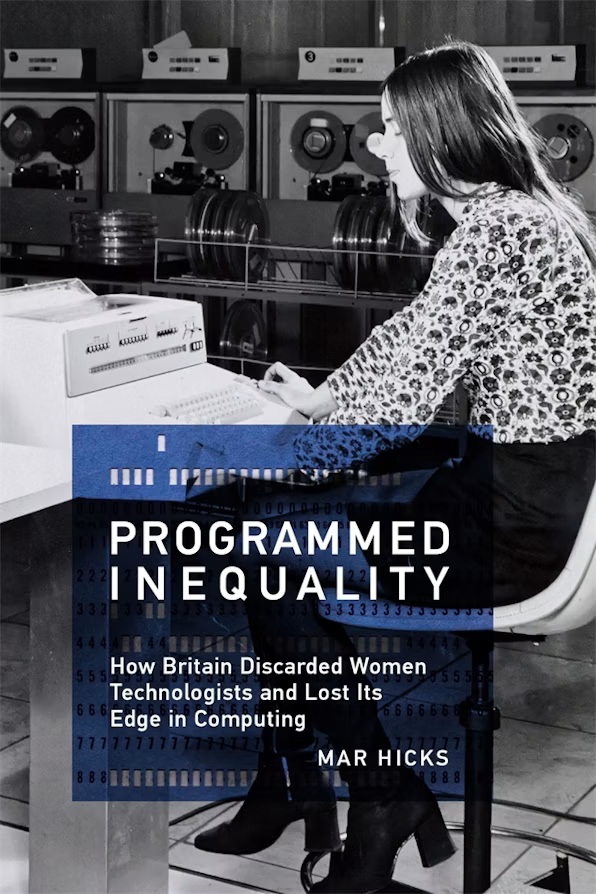
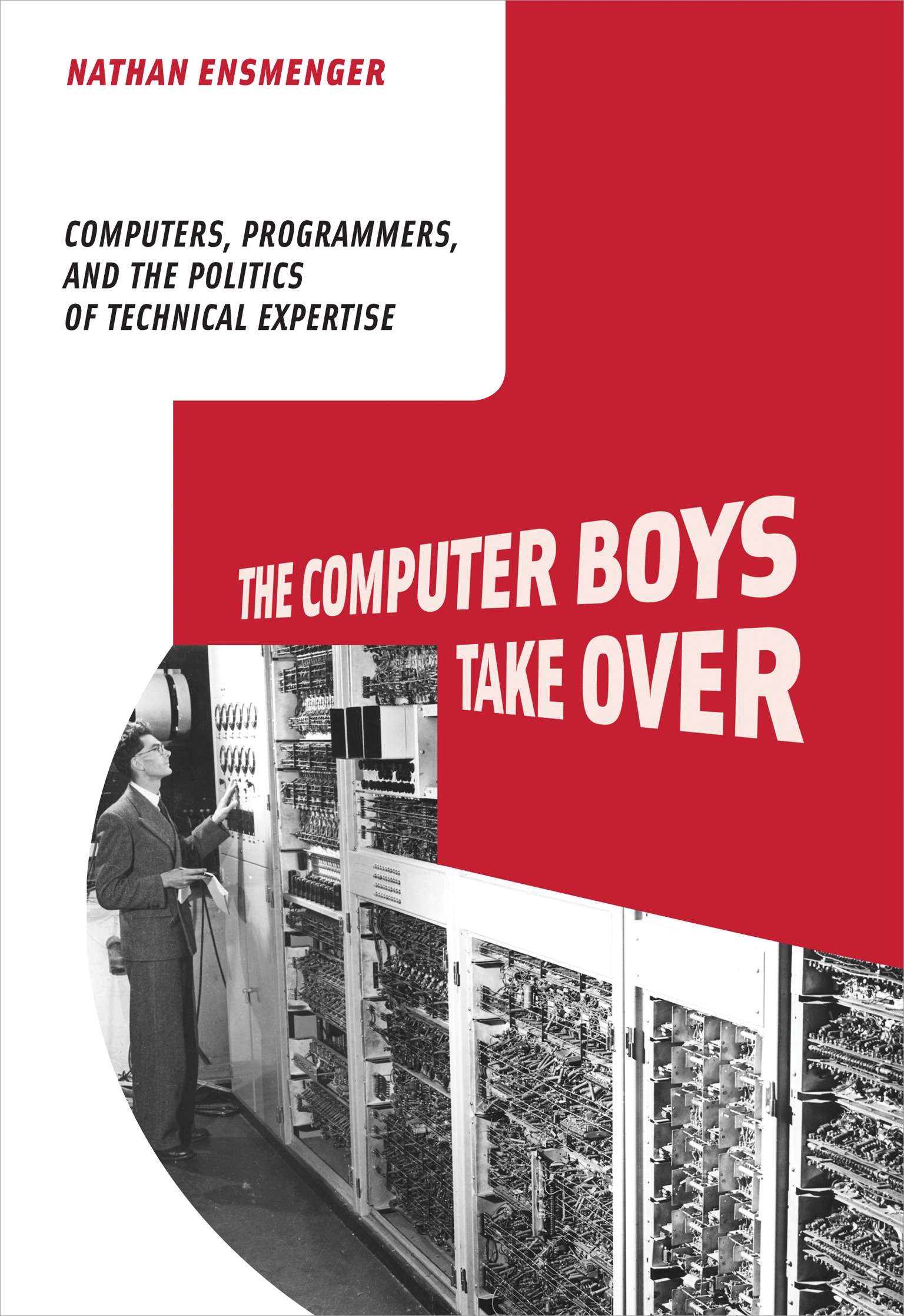
Programming the ENIAC
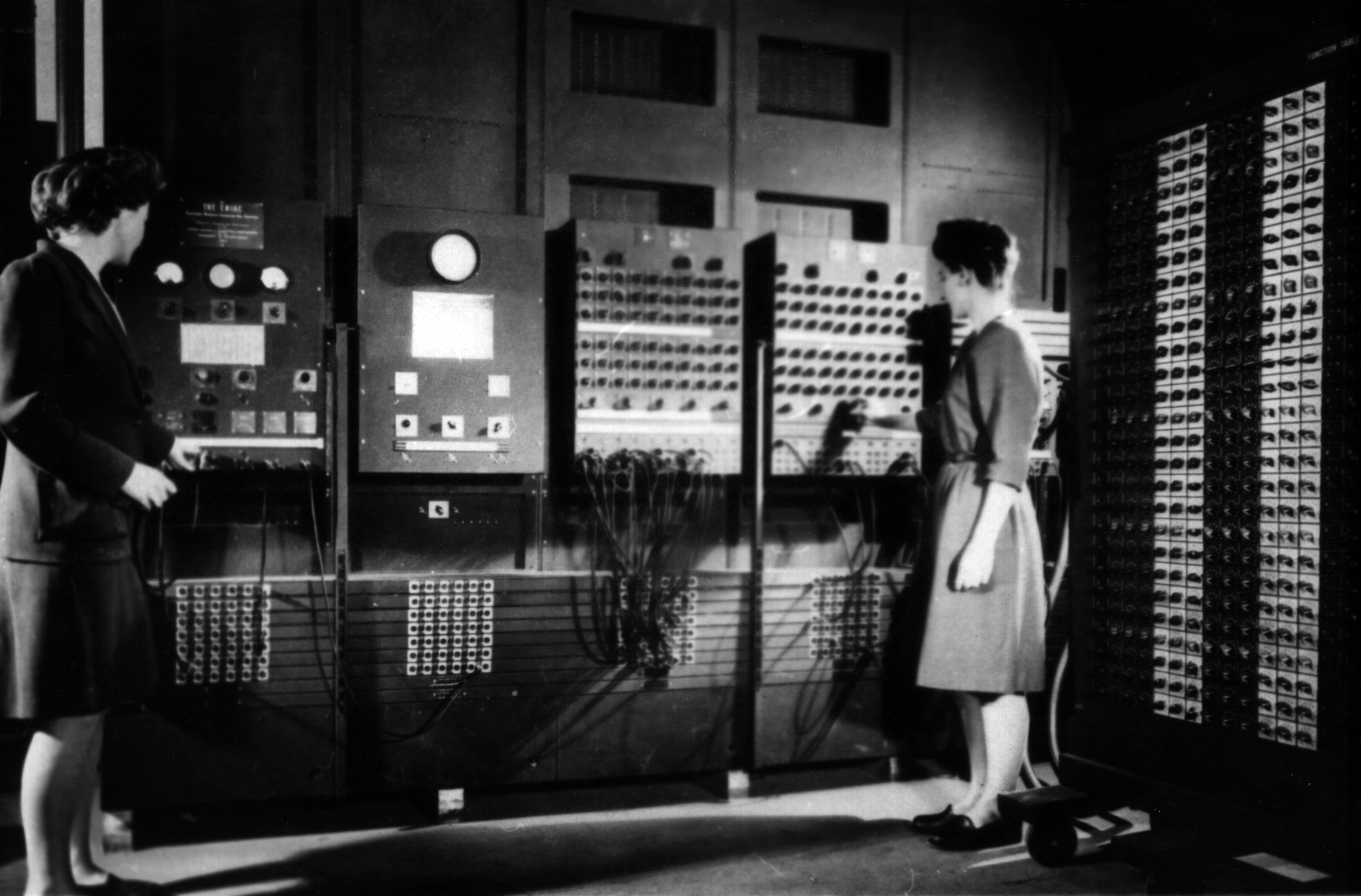
ENIAC (1945)
- First "programmable, electronic, general-purpose digital" computer
- Programmed by plugging cables
Questioning the "first"
- Program not stored in memory
- Not that different from Harvard Mark I?
How exactly did the programming work?
History of
the ENIAC
Document design, construction, testing, and use by the military
Reconfiguration of ENIAC in 1947-48
and the atomic
fission simulation
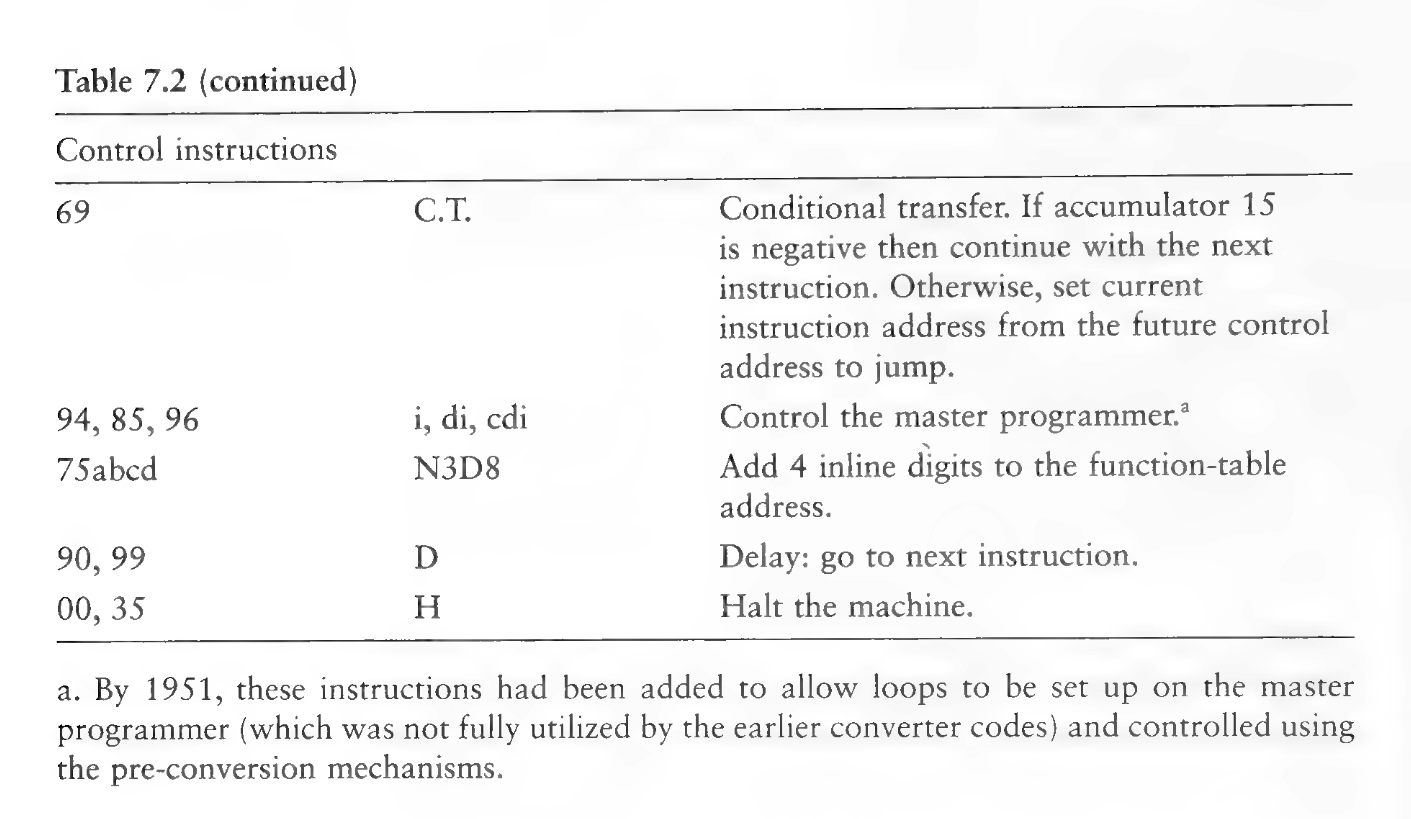
Conversion
Inspired by later EDVAC report
"the storage of programming data by means of the function table"
51 Order Code
developed in 1947
Histories
Functional programming
Popular history of functional programming
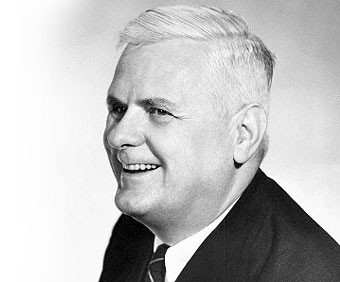
Alonzo Church (1936)
Lambda calculus model
based on pure functions
John McCarthy (1960)
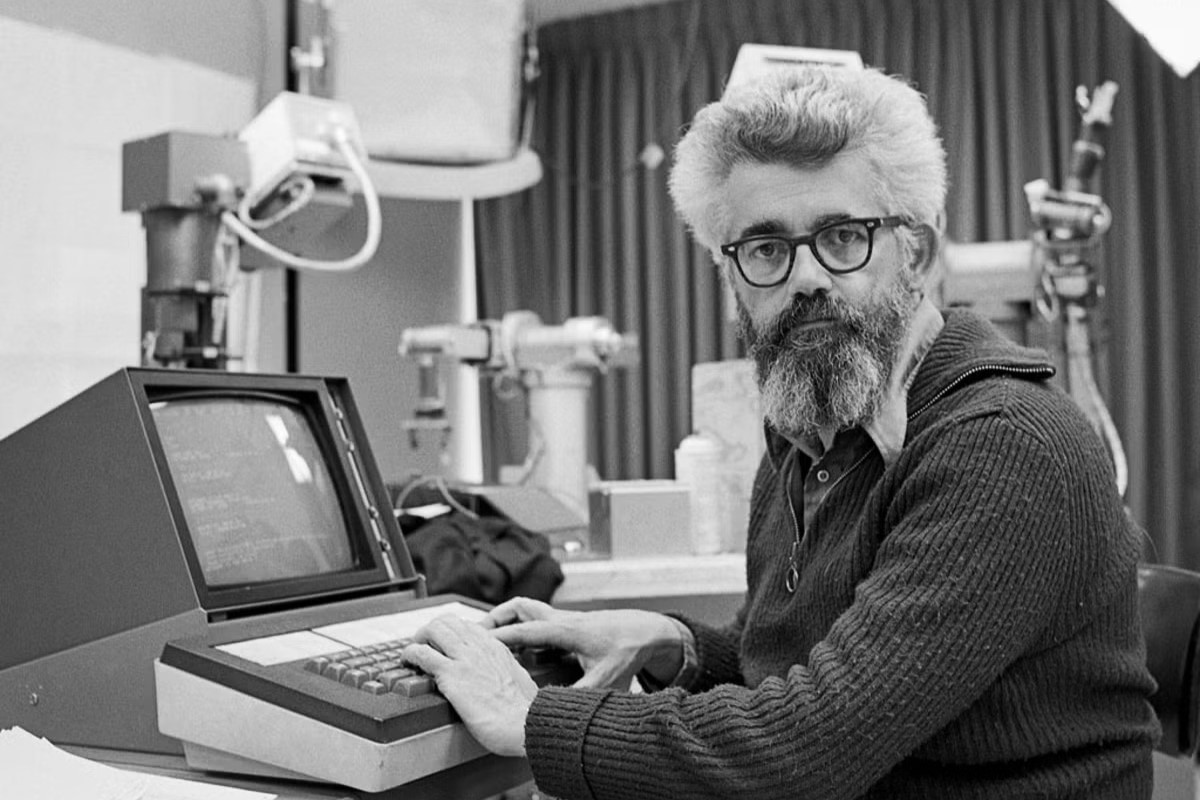
Creates the LISP language
based on the lambda calculus
Popular history of functional programming
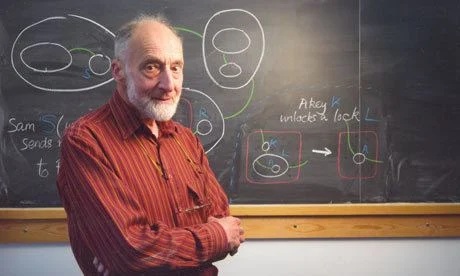
Robin Milner (1973)
ML language adds static types
with automatic type inference
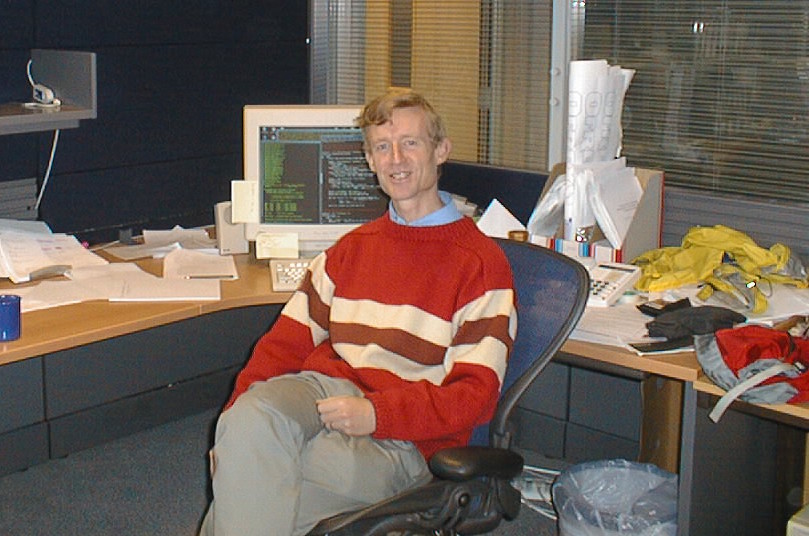
Simon Peyton Jones (1990)
Created Haskell, a statically-typed
and lazy functional language
What is wrong?
Just about everything...
-
Narrow "great men" reading
None of these were created by a single person -
Retrospective reading
Lambda calculus not a programming language! -
Many claims factually wrong
LISP had AI origins, not lambda calculus -
Invents a story of progress
Towards static types and laziness
Histories
Looking more carefully
Lambda calculus and programming
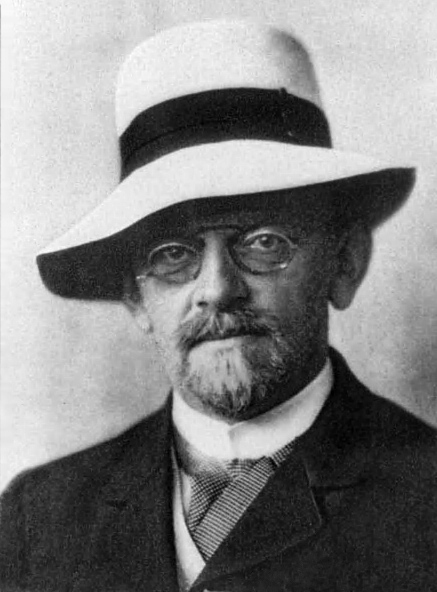
Origins of lambda calculus (1930s)
- Foundations of mathematics (Hilbert)
- Russell's paradox \(R = \{ x \,|\, x \notin x \}\)
- Avoid paradox without types
- Based on functions not sets
Lambda calculus is inconsistent
- Kleene-Rosser paradox
- Let \(R = \lambda x.\neg (x ~ x)\) then \(R~R = \neg (R ~ R)\)
- Does not work! Unless you add types ala Russell
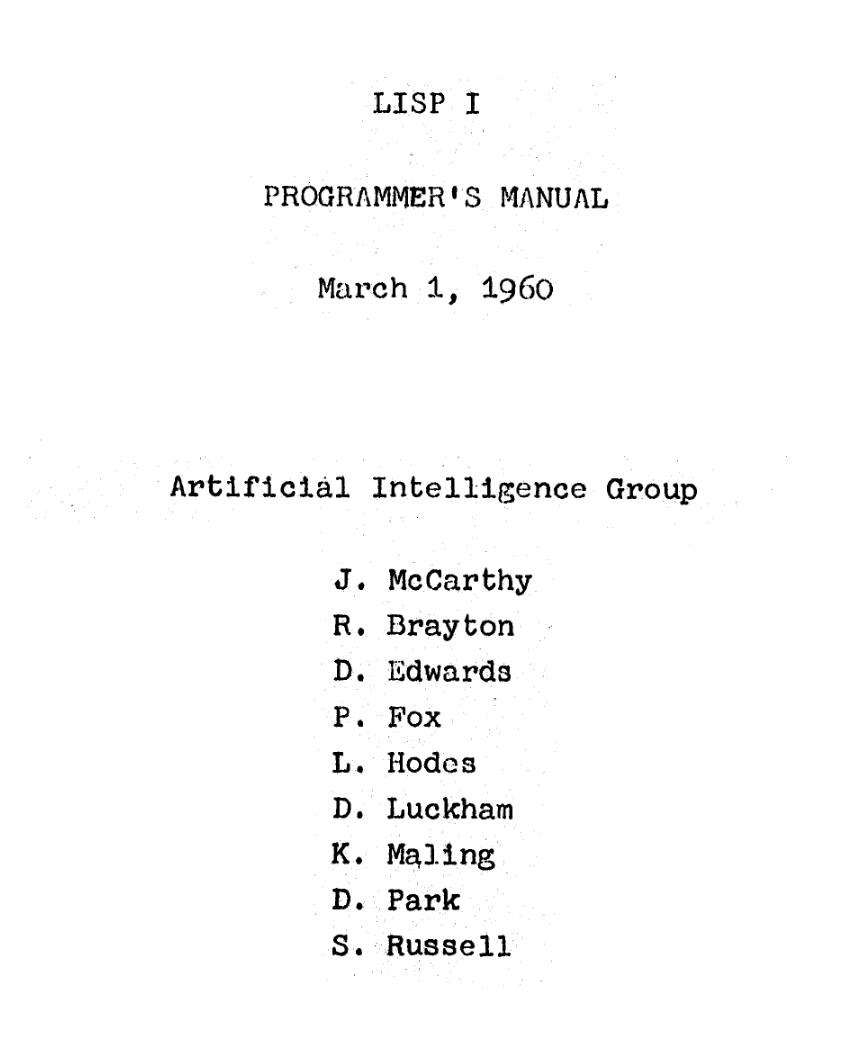
LISP origins
FOTRAN for numerical computing, COBOL for business records
Manipulation of symbolic expressions in the context of good old fashioned AI
Initial project was an addition to for FOTRAN
LISP origins
Demystifying the history of LISP
- Only thing from lambda calculus is
LAMBDA - Had assignments and
gotobefore conditionals - Used first-order M-expressions at first
- Had dynamic scoping until Scheme (1975)
Rediscovering lambda calculus
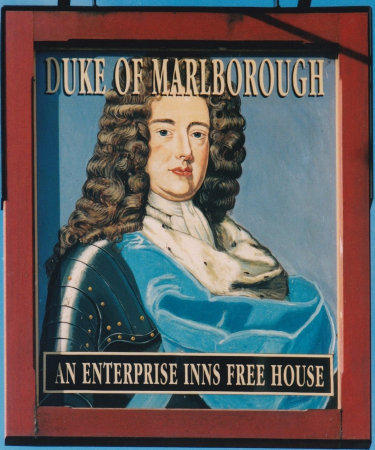
Mervyn Pragnell's group
- Unofficial logic reading group
- Got to know about the \(\lambda\)-calculus
- Penrose \(\rightarrow\) Strachey \(\rightarrow\) Landin
Landin and lambda calculus
- Formal model of the Algol language
- Mostly forgotten languages...
- Work on abstract data types
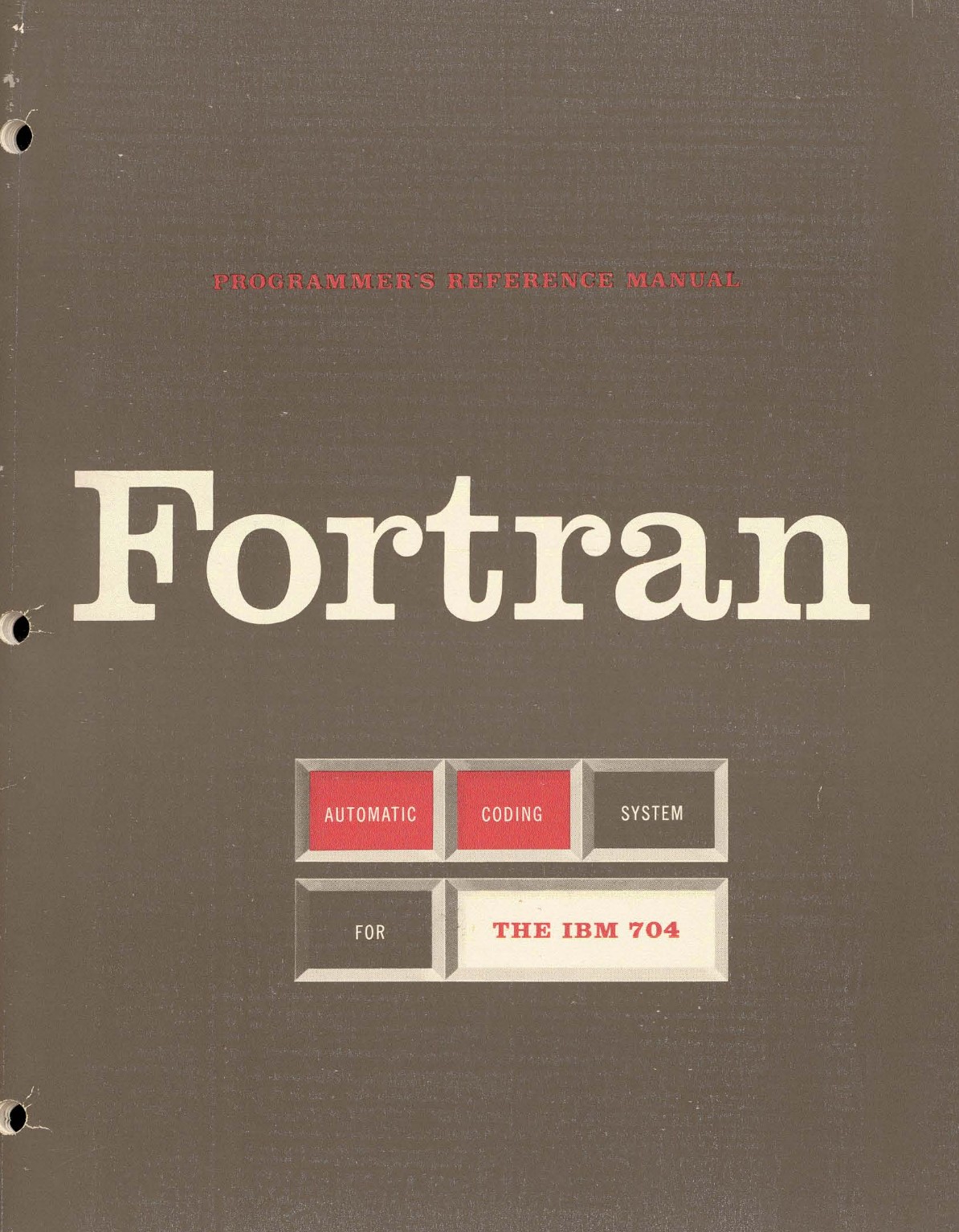
Origins of types
FORTRAN for IBM 704
[A function] may be desired to state the argument either in fixed or floating point; similarly the function itself may be in either of these modes. Thus a function of a single argument has 4 possible mode configurations.
Types appear in Algol 58
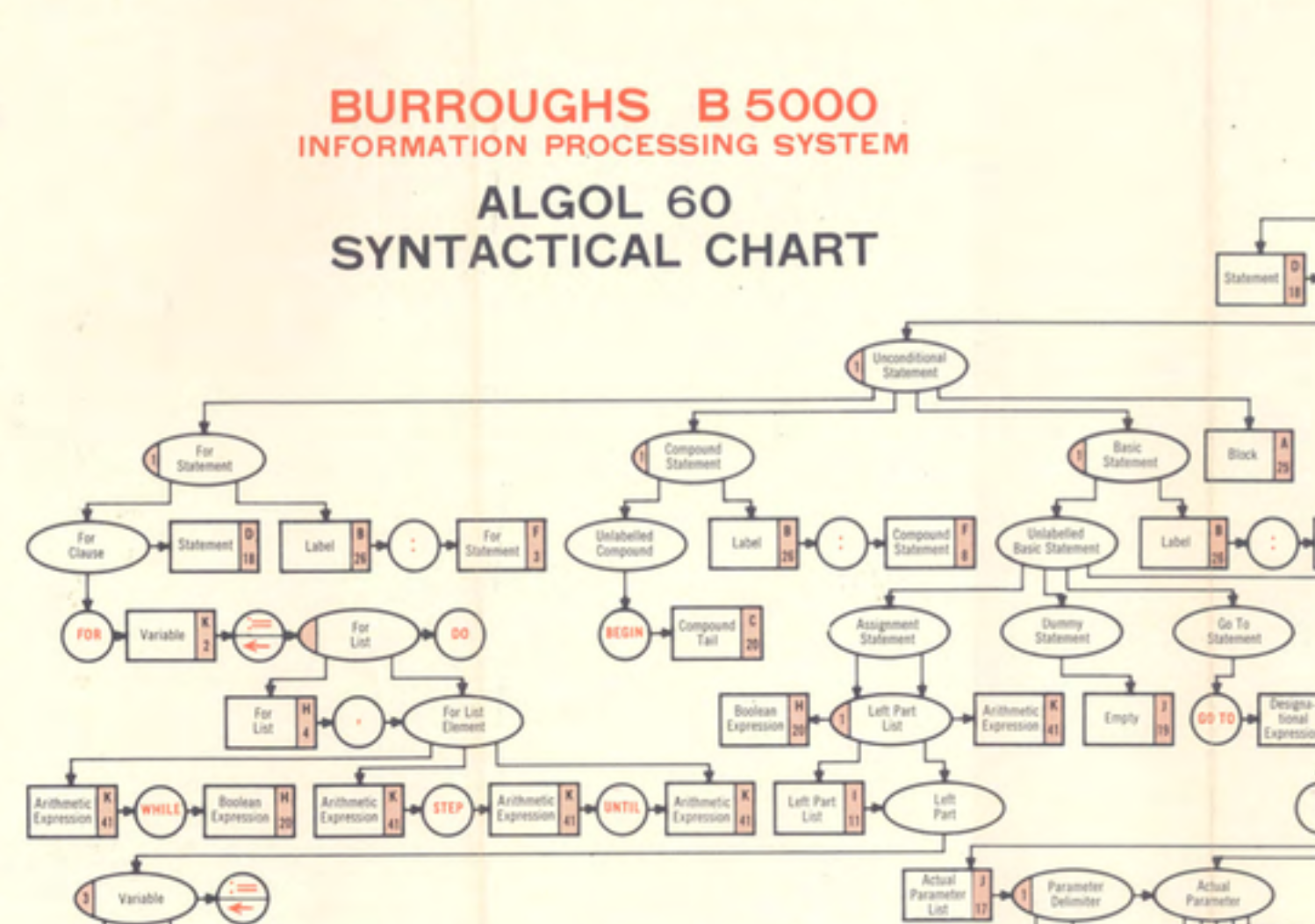
May 58 meeting
- European and US group meeting
- None uses type in prior reports
Preliminary report
No reference to logic or \(\lambda\)-calculus
Integers are of type integer. All other numbers are of type real. (...) The various "types" (integer, real, Boolean) basically denote properties of values.
What are types?
Sets of possible values
Cartesian products
to model records
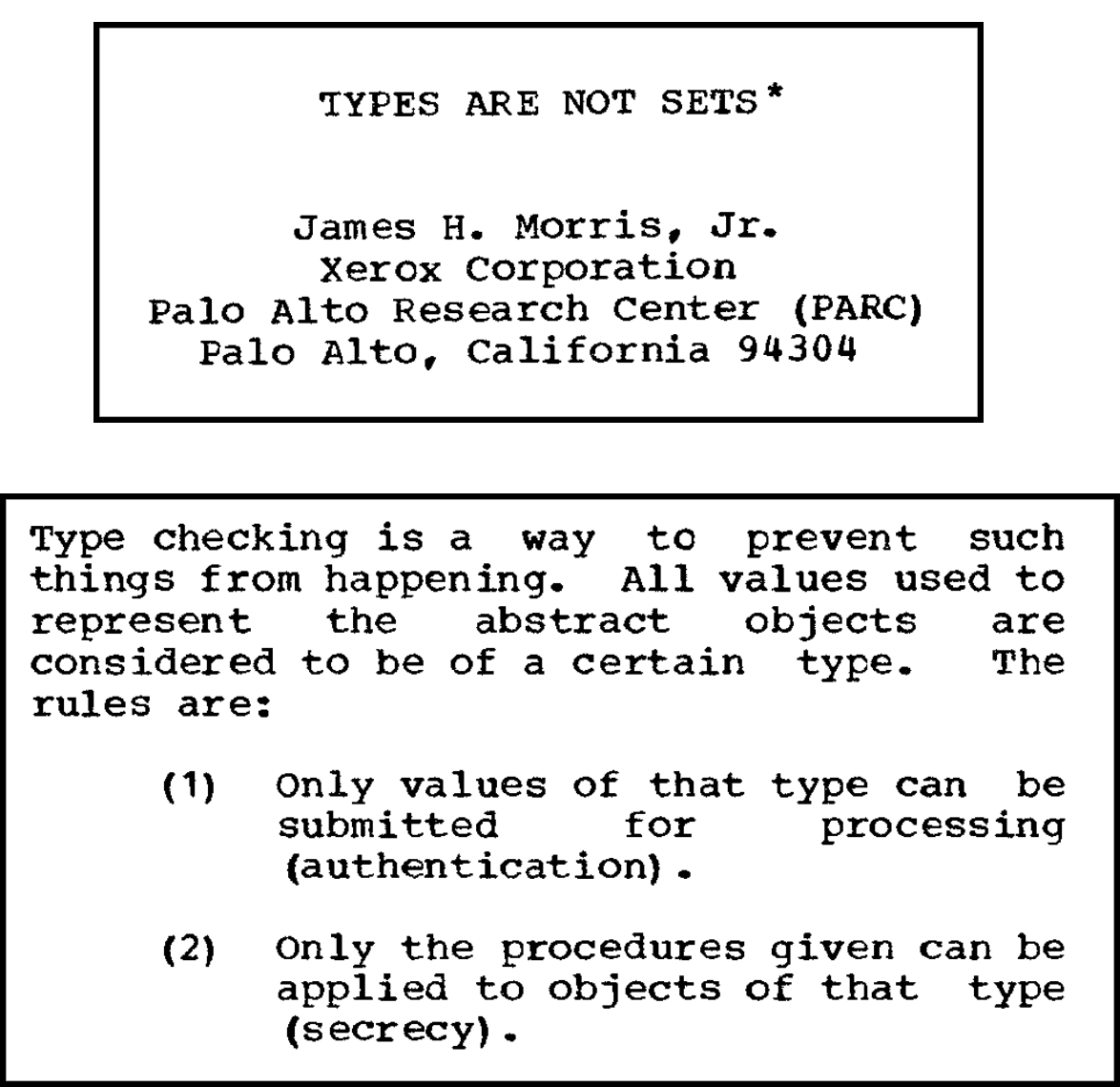
Types are not sets (1974)
Inspired by Landin's work
but does not cite typed
lambda calculus
Logic of computable functions
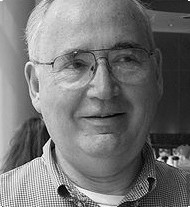
Dana Scott (1969)
- A type-theoretical alternative to ISWIM, CUCH, OWHY (unpublished manuscript)
- Logic for reasoning about computation
Ensures meaning using types
The first confusion we should avoid is that between logical types and what we might call data types. The former are what we invoke to study the latter.
Types
Towards types in ML
- Directly inspired by the LCF logic
- Authentication and secrecy for proof objects
- Unaware of a lot of work in logic (Hindely-Milner)
- Later additions add tuples and data types
Conclusions
Functions, trees, processes
Conclusions
-
We need rigorous technical history too!
Complement first-hand accounts and social history -
Programming entities are interesting!
They change meaning and cross boundaries -
Starting with functions, monads and trees
Help us look deeper and broader!